the zoo
The zoo is not simply a place where animals are housed: it is a meticulously designed theatrical environment where both animals and humans perform within an orchestrated spectacle. Every architectural choice contributes to a carefully constructed world where nature is choreographed to align with human vision.
↗ Research Catalogue -
DOI: 10.22501/rc.4065423
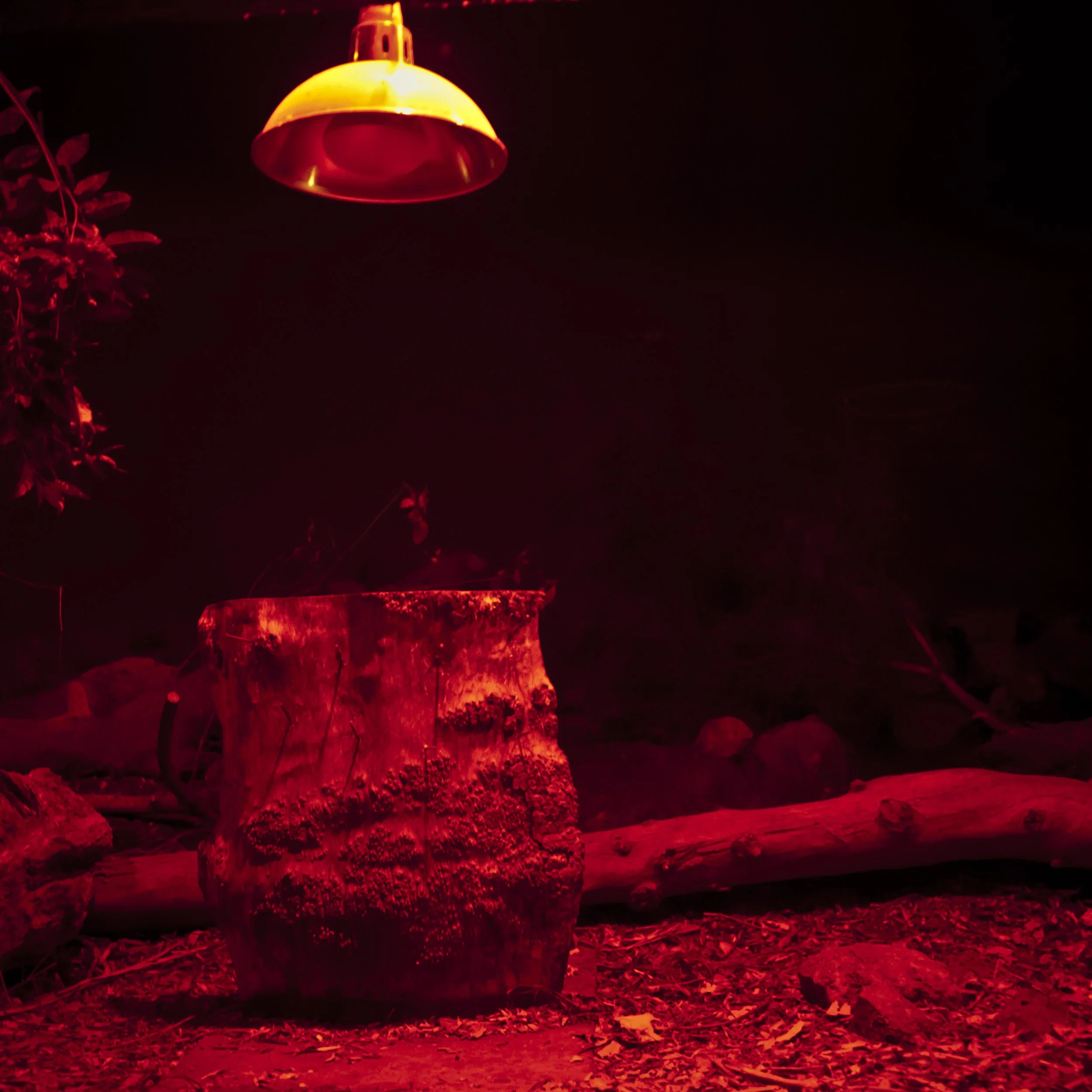
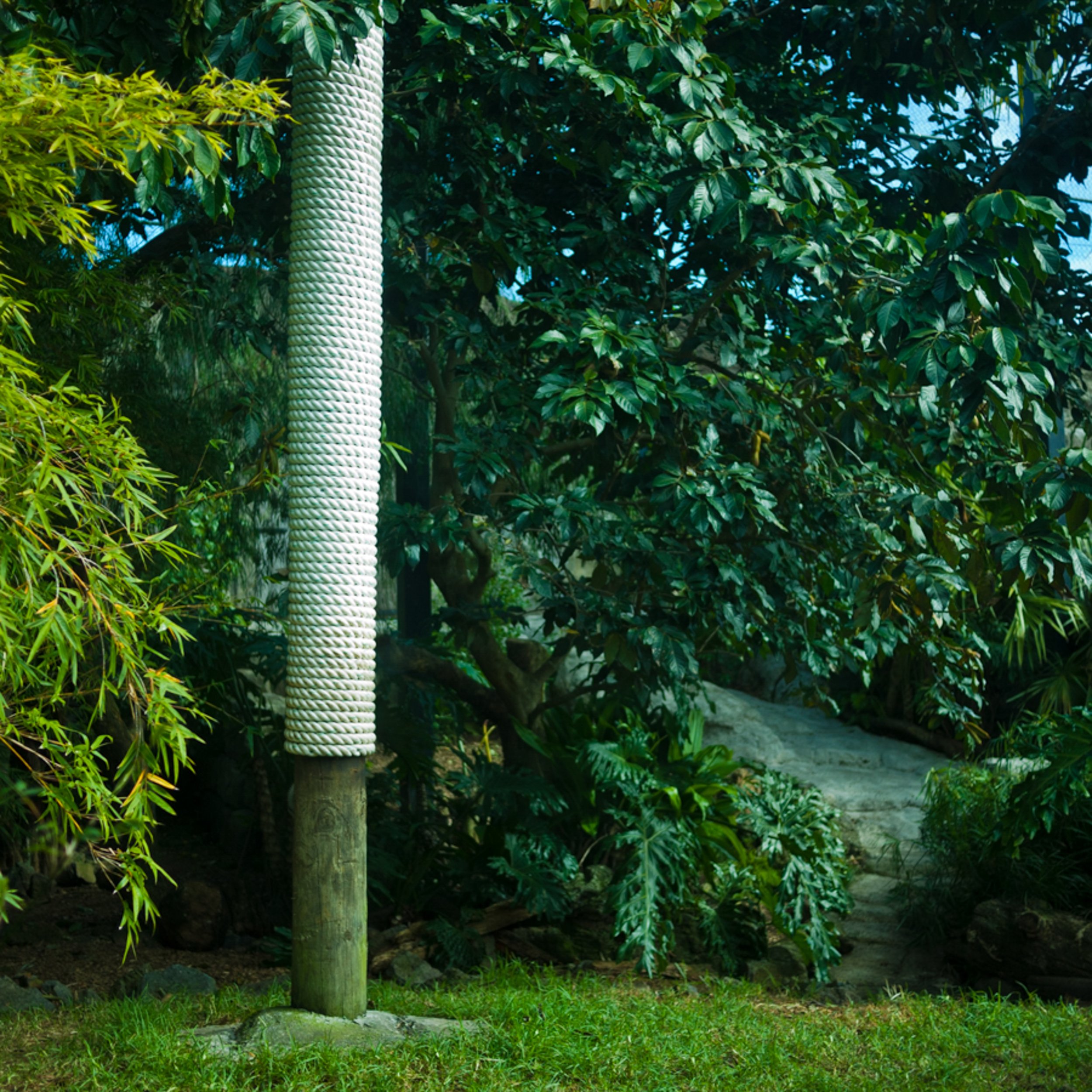
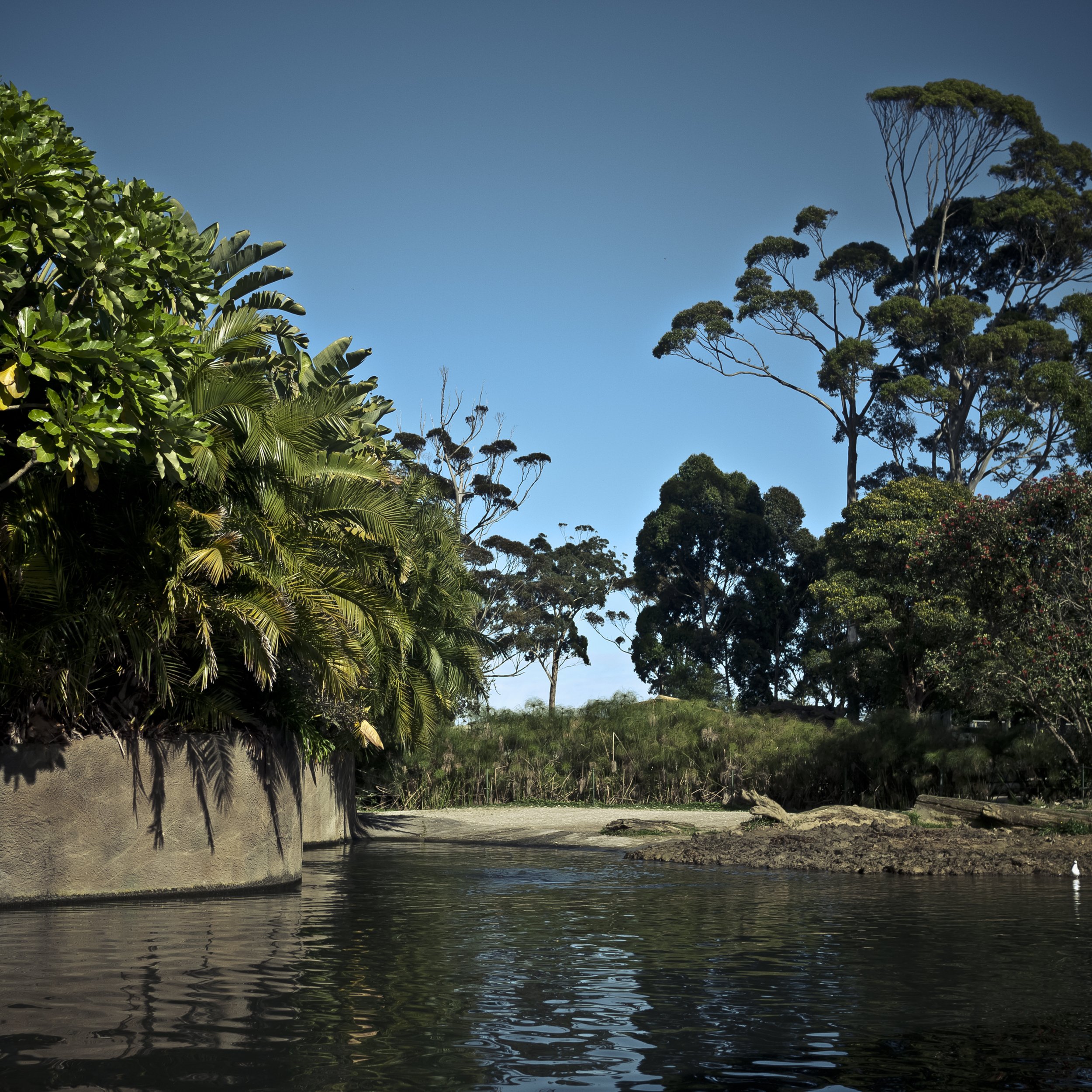
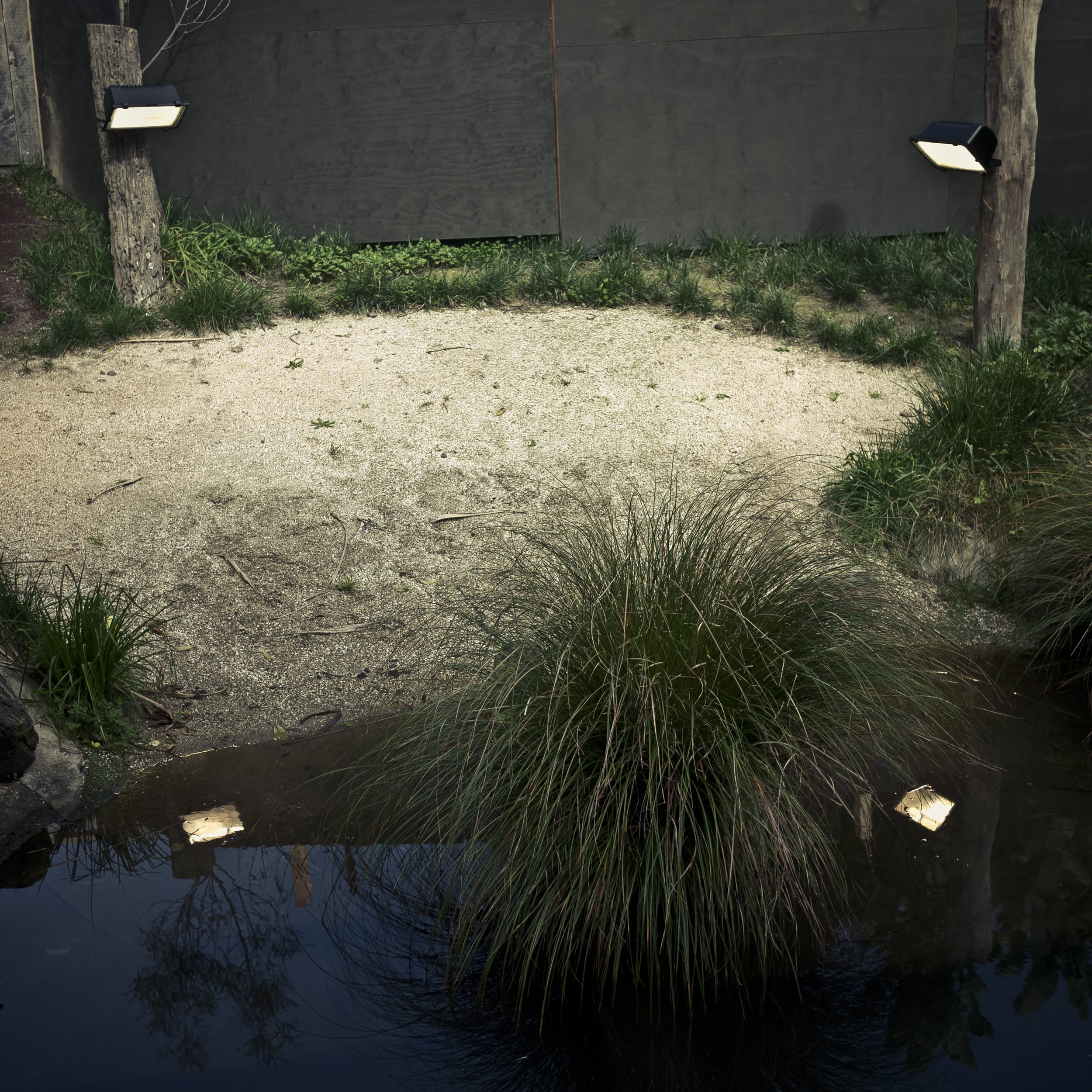
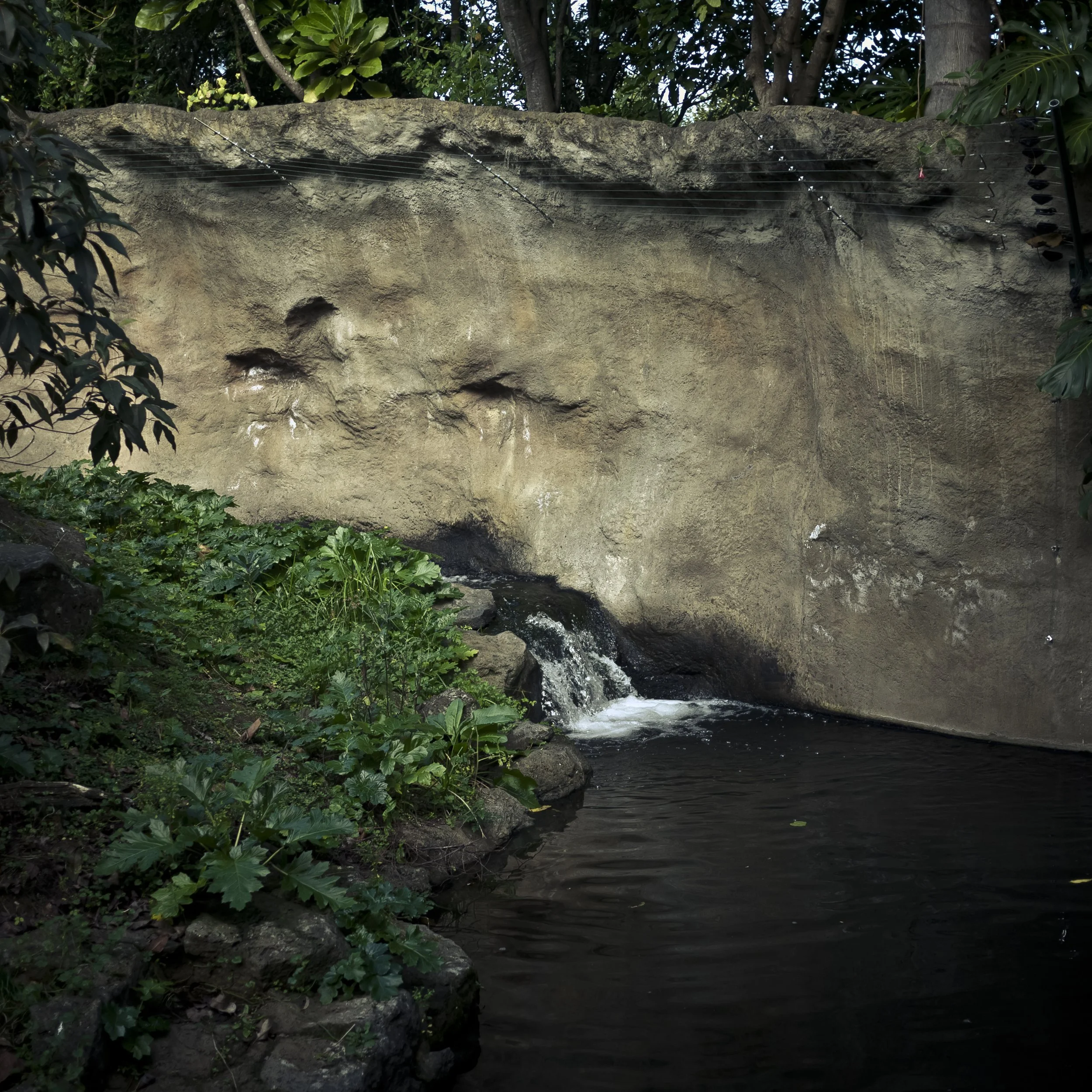
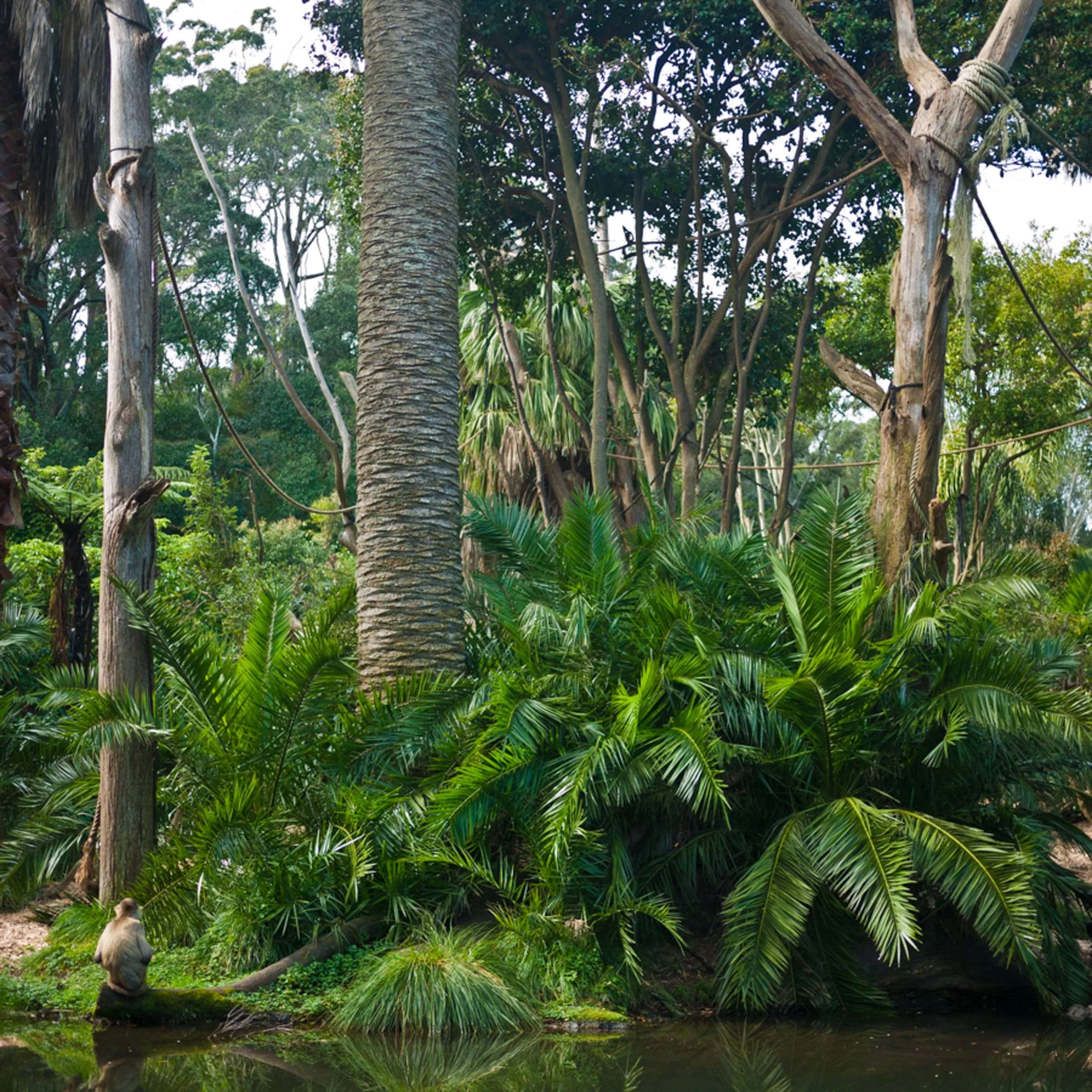
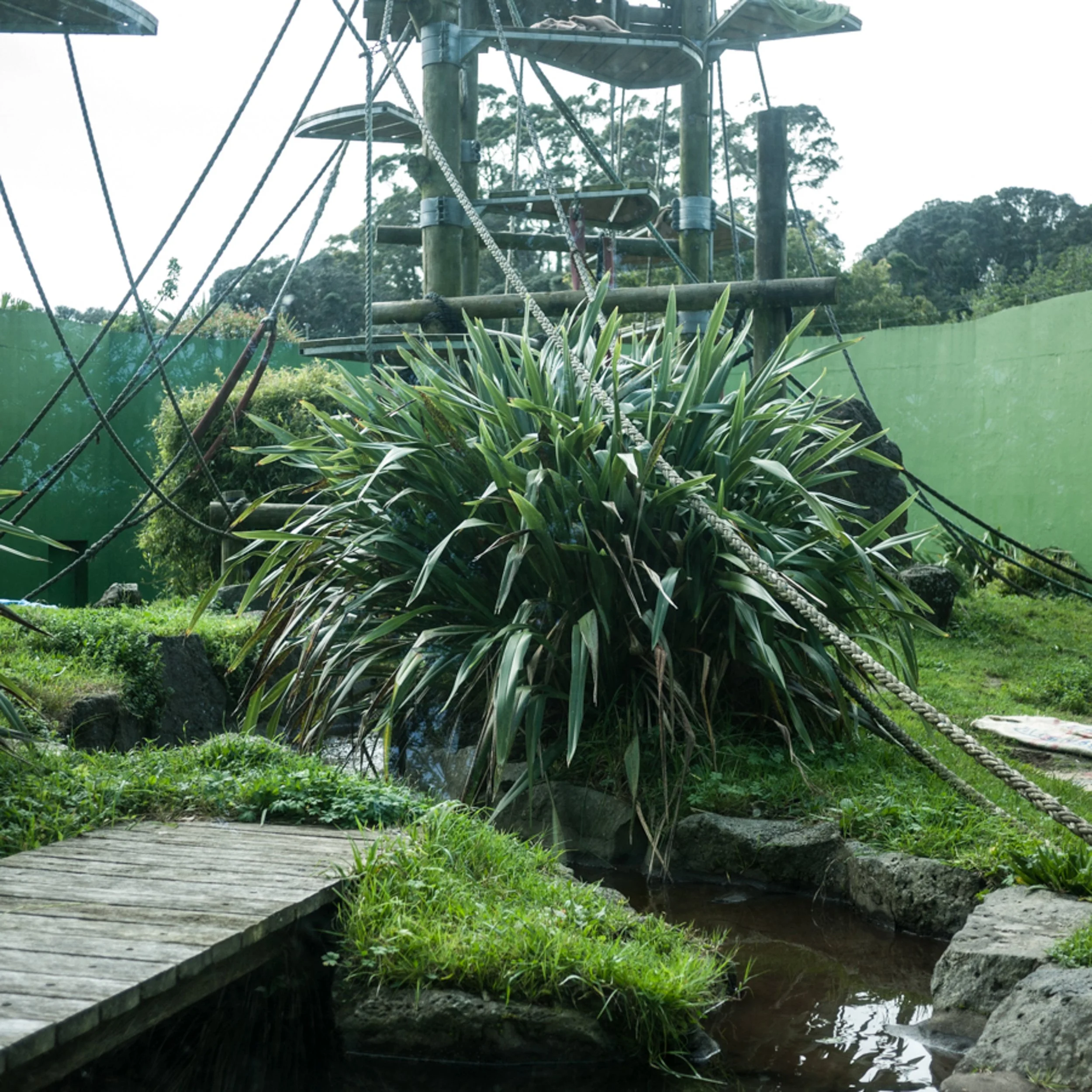
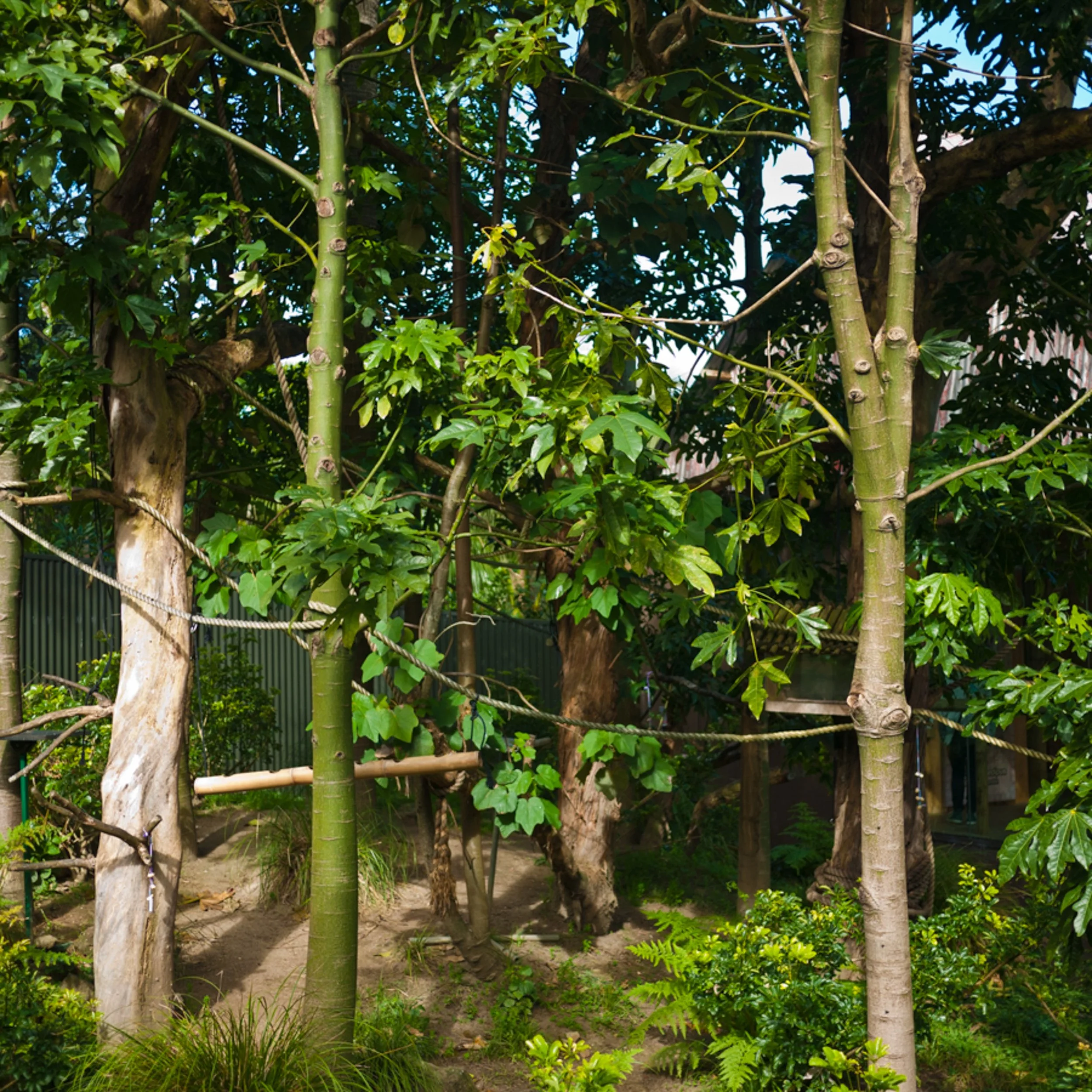
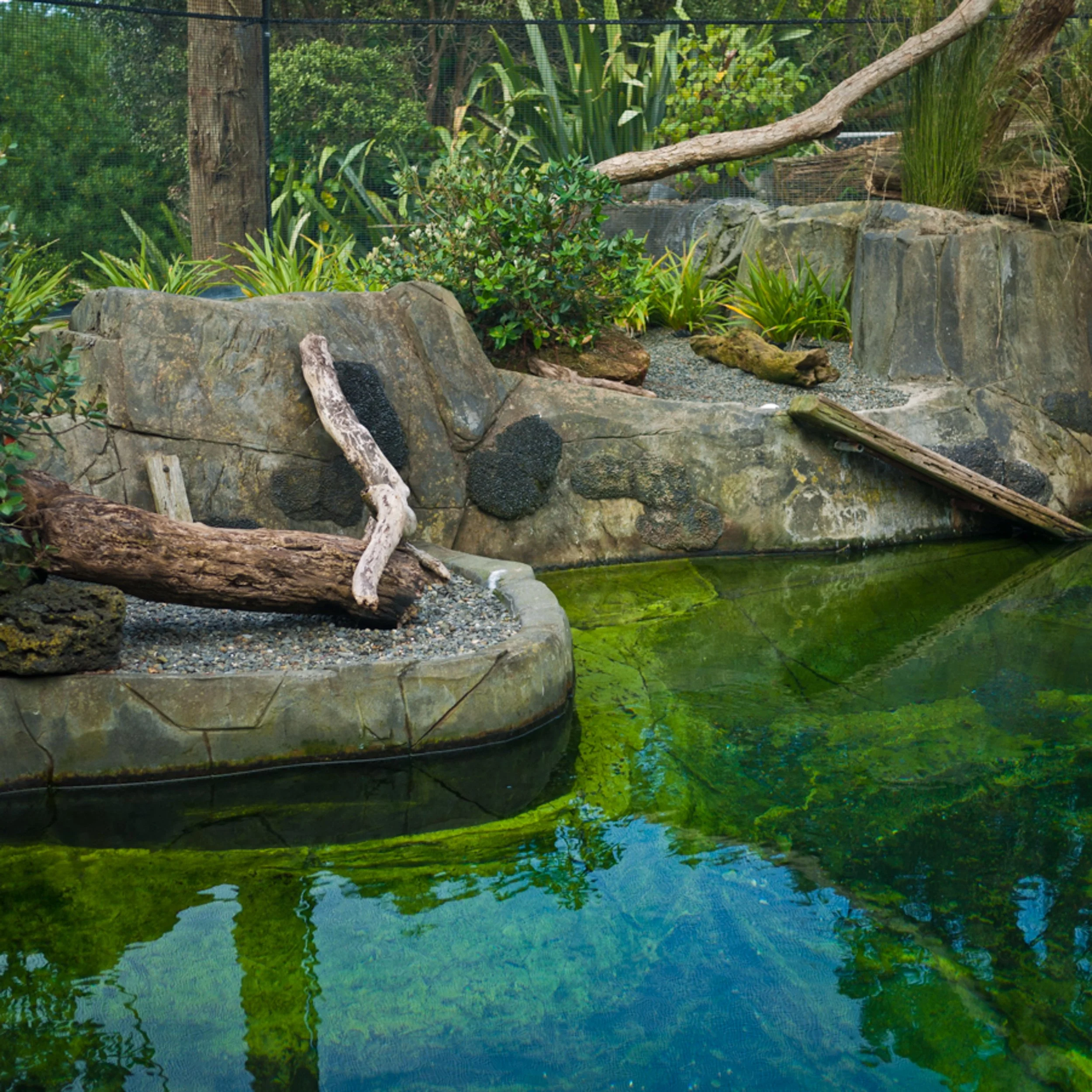
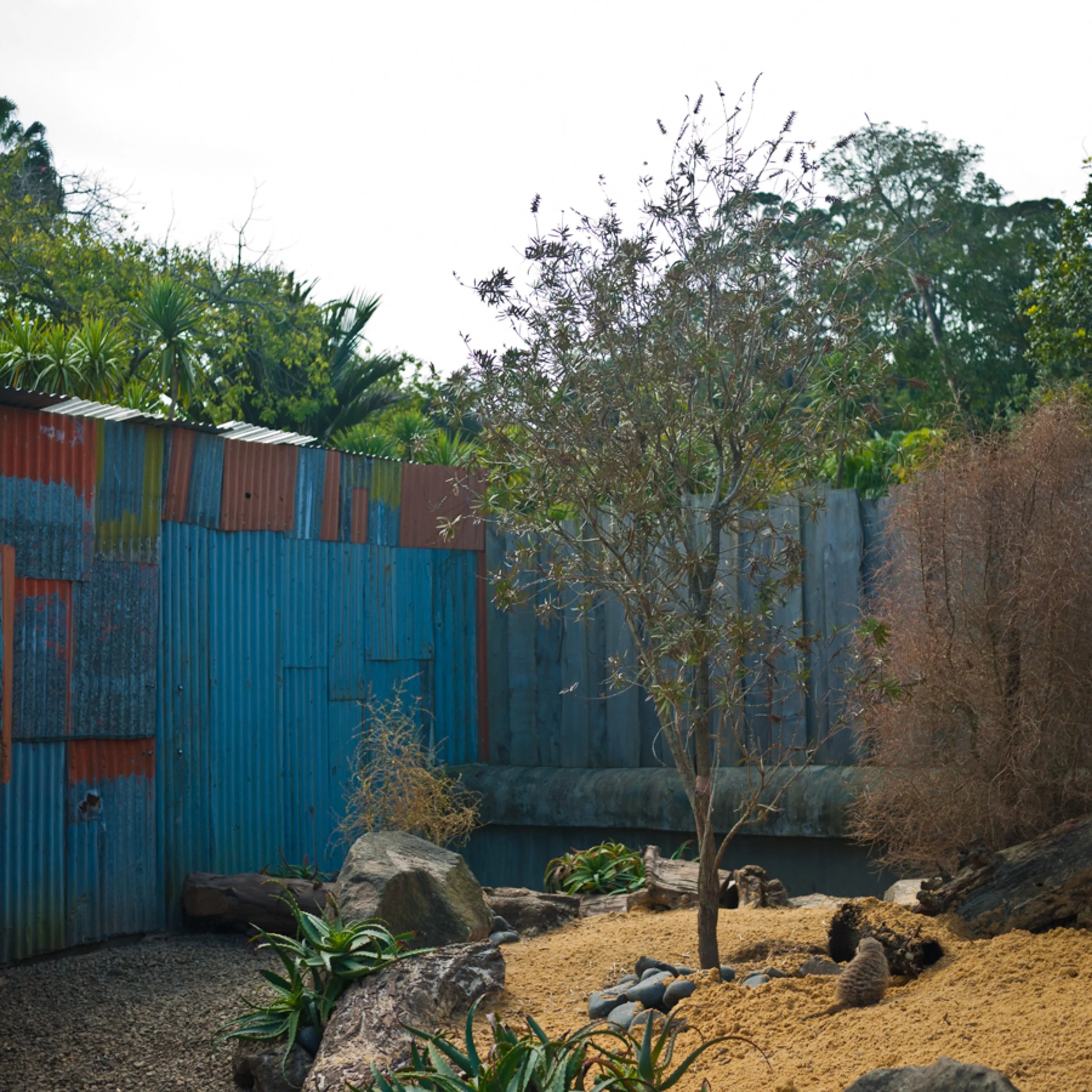
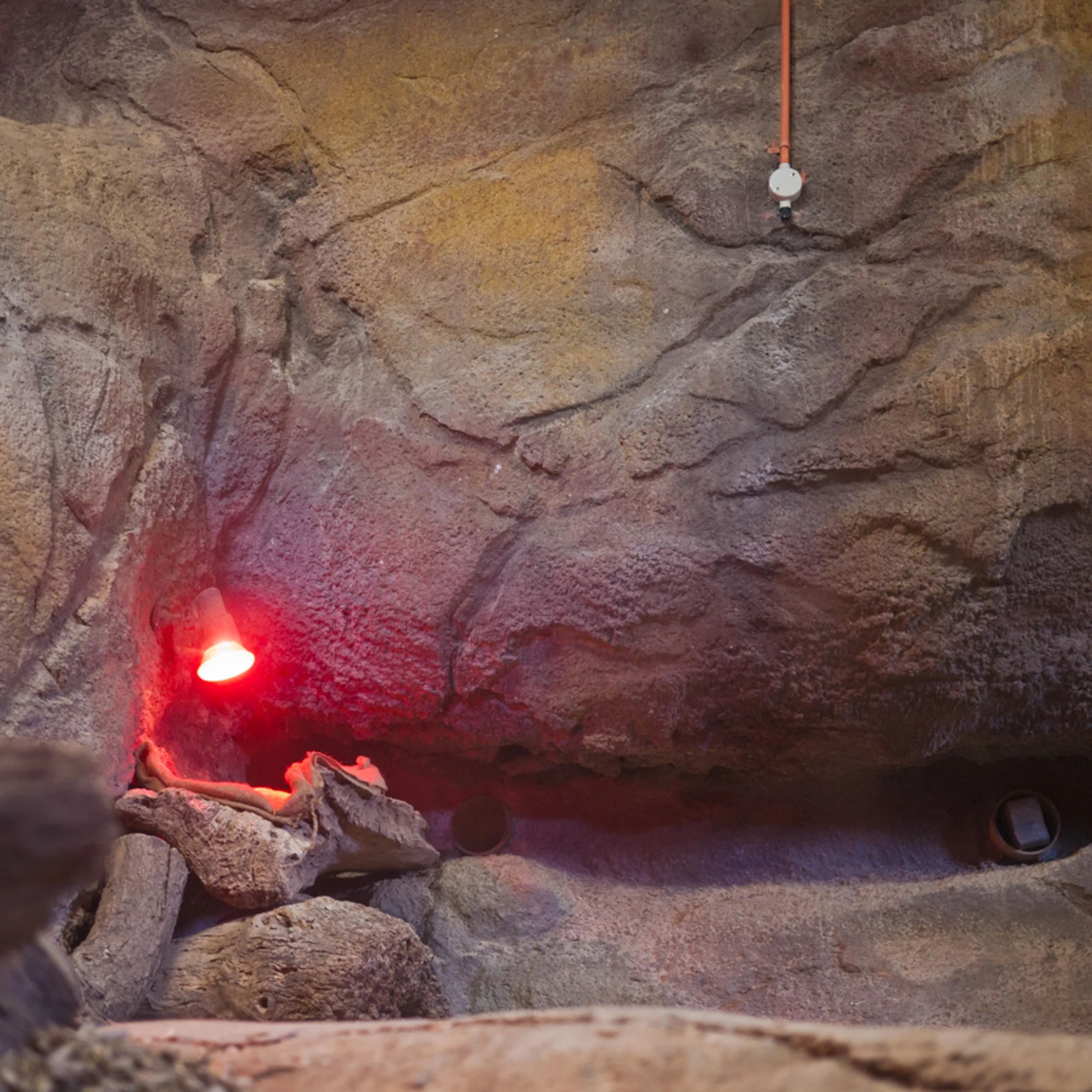
The zoo is a meticulously designed theatrical environment , a mise-en-scène, where both animals and humans perform within an orchestrated spectacle. Every architectural and aesthetic choice, stages, props, simulated landscapes, artificial lighting, contributes to a carefully constructed world where nature is choreographed to align with human vision.
HISTORICAL CONTEXT & CRITICAL FRAMEWORK
The zoological garden is a constructed representation of nature, shaped by historical and cultural forces.
Historically, zoos were microcosms of colonial and imperial imaginaries, designed to encapsulate distant geographies in controlled settings.
The Menagerie at Versailles showcased exotic fauna as symbols of power, while nineteenth-century zoological spaces reinforced ideas of dominance and possession.
Even in contemporary contexts, Carl Hagenbeck's naturalistic zoo designs and the Paris Zoological Park's biozones dictate how visitors engage with animals, not as autonomous beings but as subjects within curated landscapes.
Bernard Tschumi applied cinematic and theatrical principles to the Paris Zoological Park, designing biozones as successive frames that dictate how visitors perceive wildlife.
This theatricality is unsettling.
The artificiality embedded in the zoo's mise-en-scène, the concealed barriers, the fabricated rock formations, the meticulously regulated lighting, raises ethical questions about authorship and agency: What does it mean to construct nature for human viewership?
To what extent do these spaces reinforce narratives of control over nature rather than coexistence with it?
Jean Estebanez
Spatial dispositif theory
Describes the zoo as a spatial dispositif a structured environment that mediates human-animal interactions through scenographic, interventions, reinforcing a hierarchy in which humans observe while animals perform.
John Berger
Why Look at Animals?
Critiques the zoo as a space of estrangement, where animals no longer exist for themselves but instead for human spectatorship, severed from any world in which they might make sense.
Donna Haraway
Natureculture
Challenges the binary between nature and civilisation, exposing the zoo as an ideological theatre, a space where illusion and scenography dictate perception and where the boundary between wild and constructed collapses.
Bernard Tschumi
Paris Zoological Park
Applied cinematic and theatrical principles to zoo architecture, designing biozones as successive frames, treating the visitor's path as a scripted sequence of staged encounters with nature.
PRACTICE & PHOTOGRAPHIC METHODOLOGY
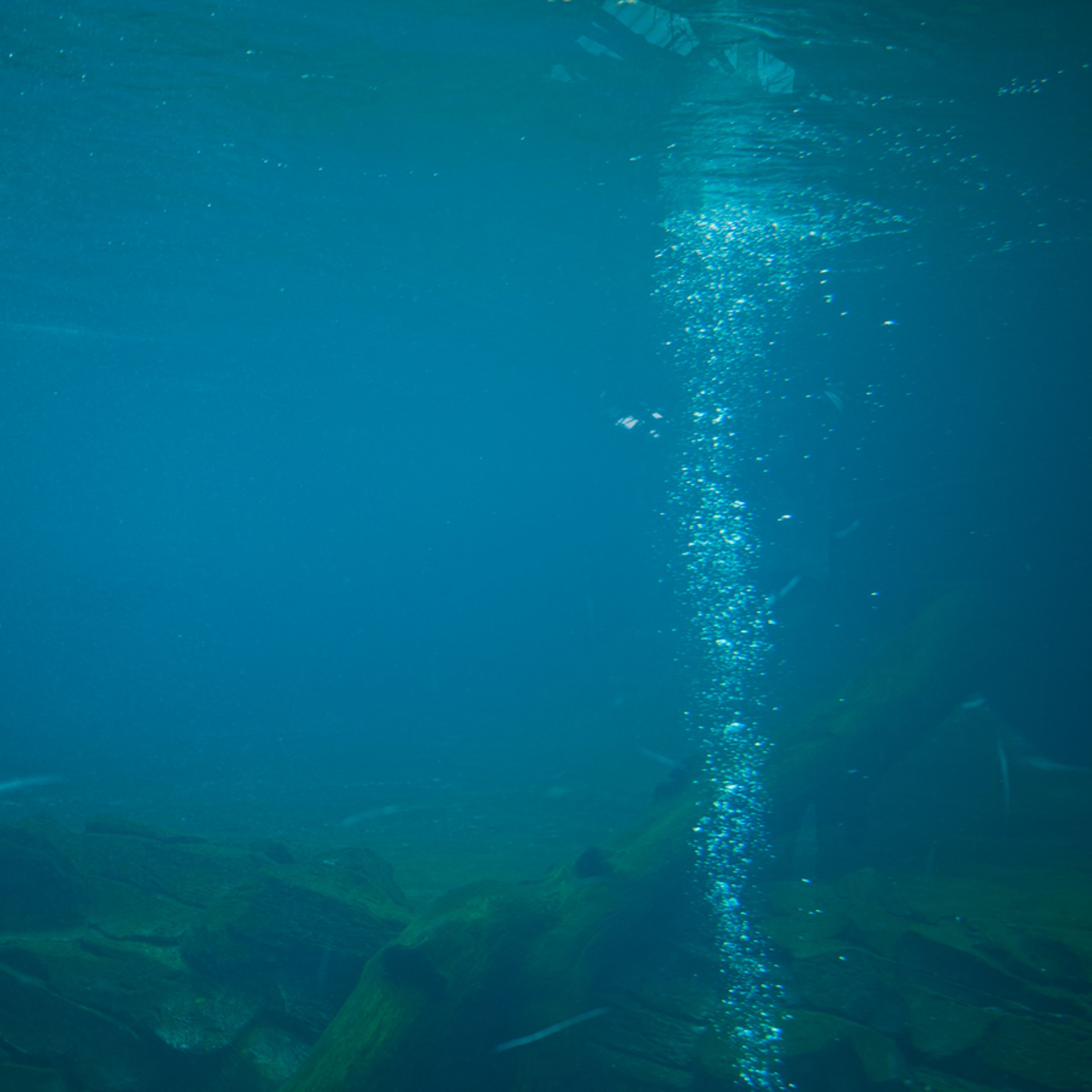
In this series, animals are never depicted. By focusing instead on the space itself, its artificial landscapes, fabricated rock formations, and controlled lighting, the work exposes the underlying structure of the zoo as performance rather than nature.
The square frame imposes containment and balance, reflecting the structured and regulated nature of the zoo itself. Unlike panoramic compositions that suggest continuity, the square isolates each image, presenting a fragment of a fragmented world, mirroring the visitor's experience of moving through simulated geographies, each turn introducing a new environment.
Working in series creates a visual rhythm that reinforces the illusion embedded in these environments. The images do not present a cohesive narrative but a sequence of constructed realities, each moment suspended in a controlled aesthetic, inviting viewers to reconsider zoo spaces not as windows into ecosystems, but as designed spectacles where nature is continually shaped and repackaged for human consumption.
With thanks to Auckland Zoo for their help and access.
mise‑en‑scène
colonial space
constructed nature
spacial dispositif