Lucent
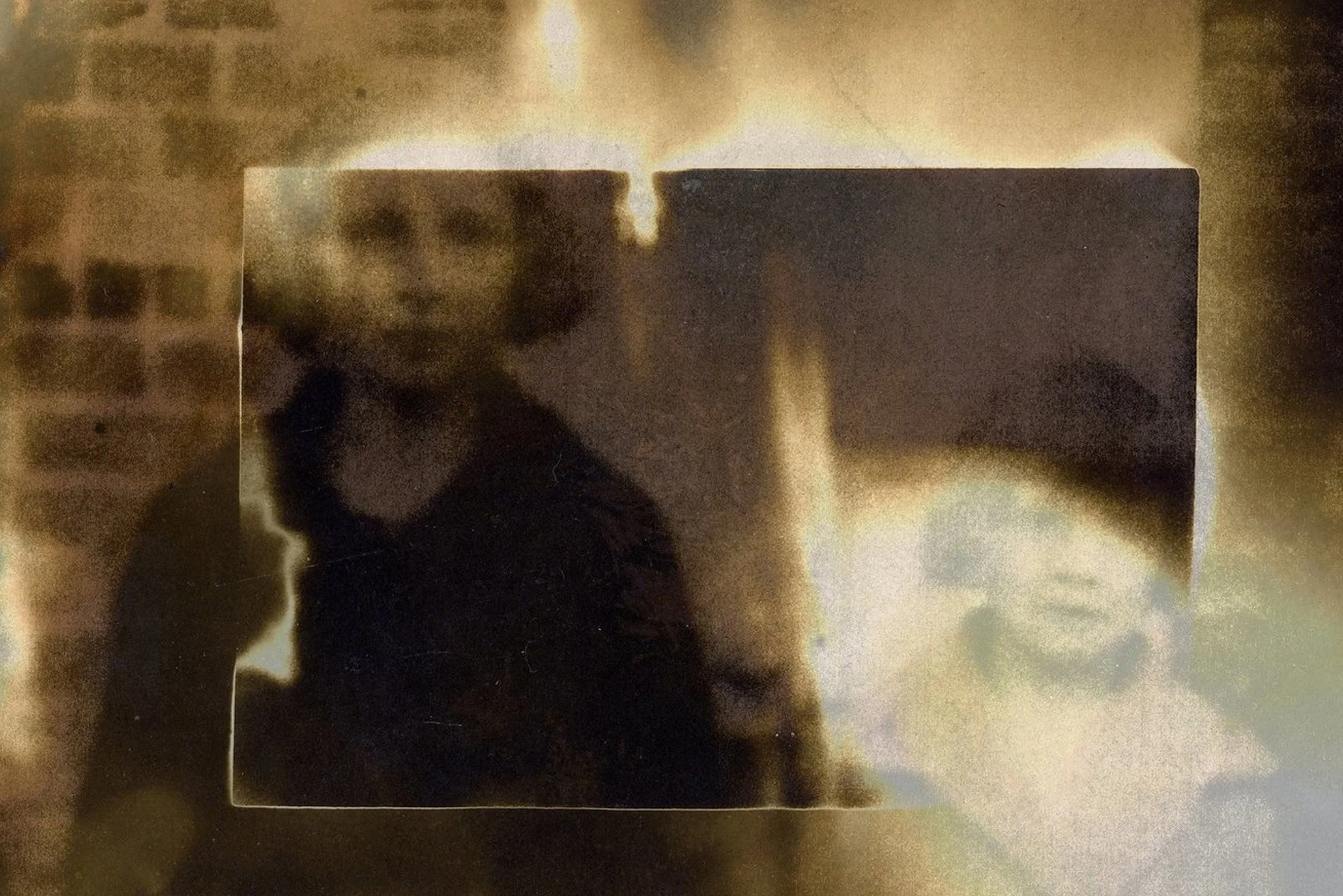
A speculative reconstruction of archival photographs through visual intervention, reworking images to show how memories shift, fade, and are continually rebuilt over time.
Drawing on scientific fictionalism, the series treats photographic intervention as a speculative tool for understanding memory itself.
↗ ORCID
DOI: 10.58054/MEDIADESIGNSCHOOL.28876181
CONCEPTUAL FRAMEWORK
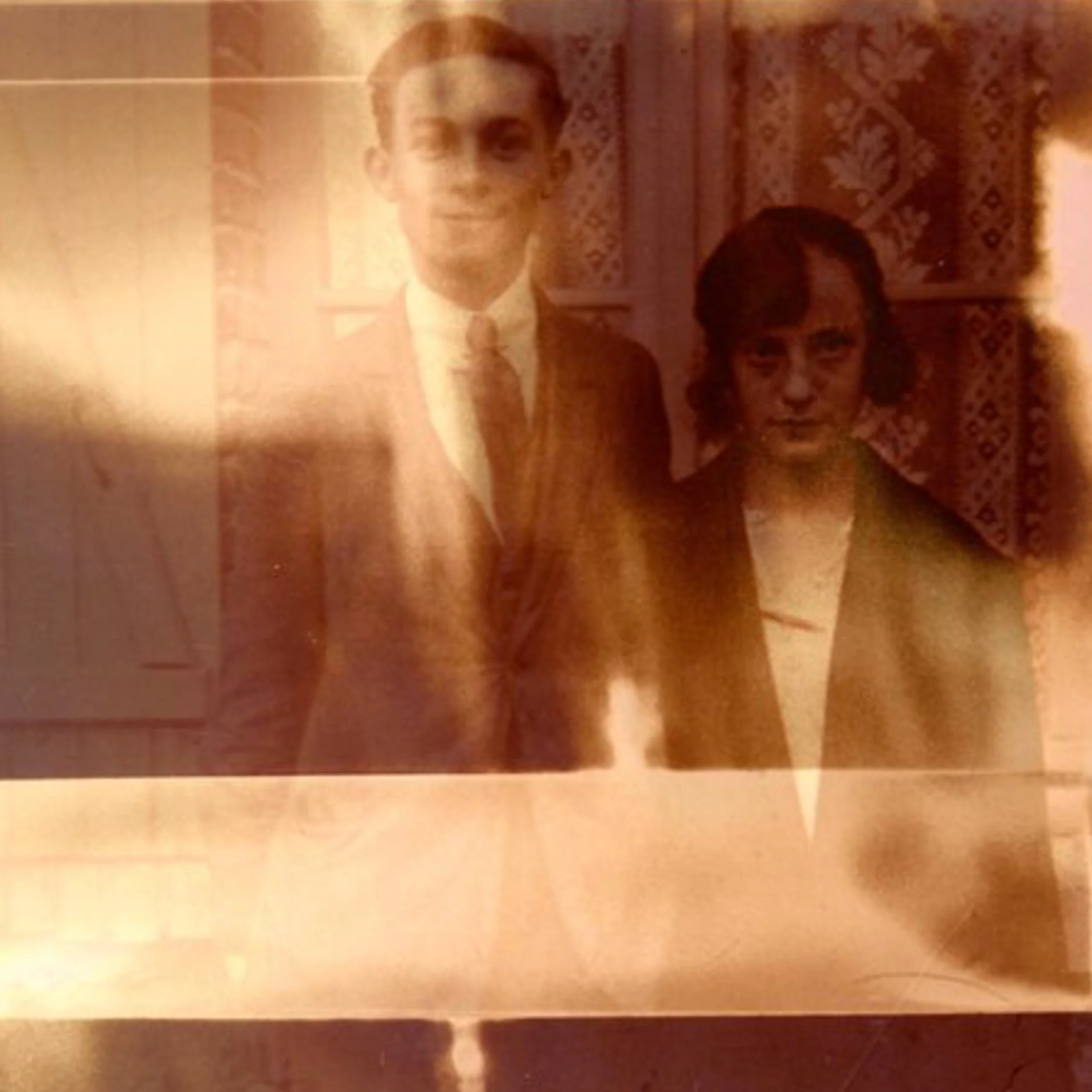
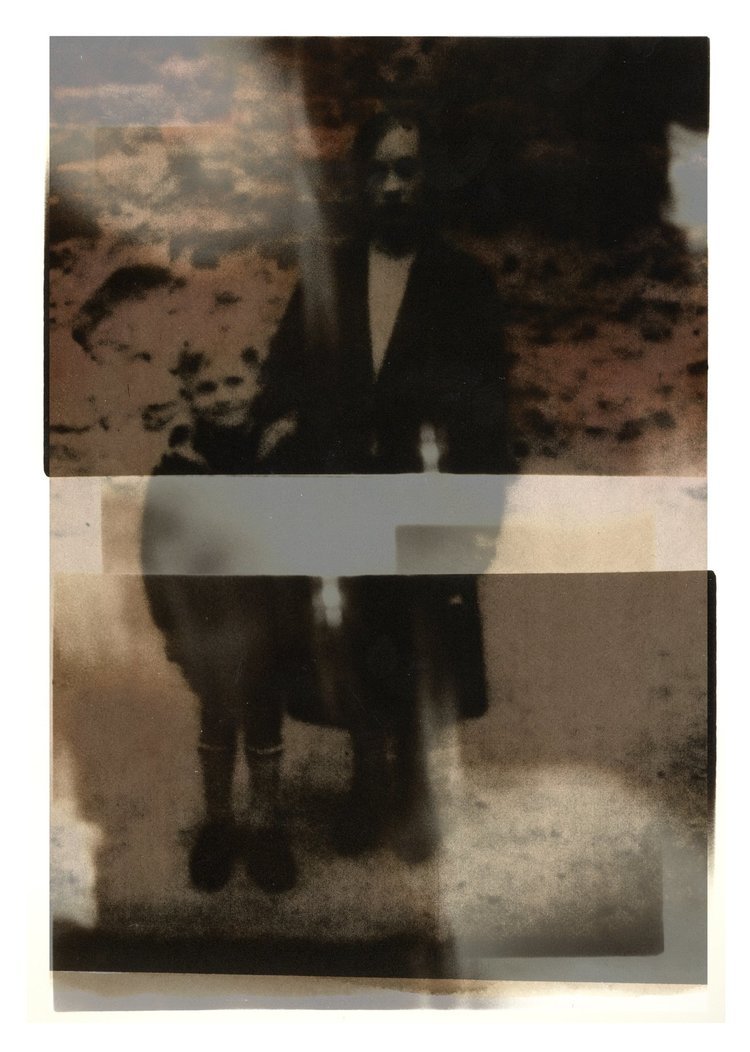
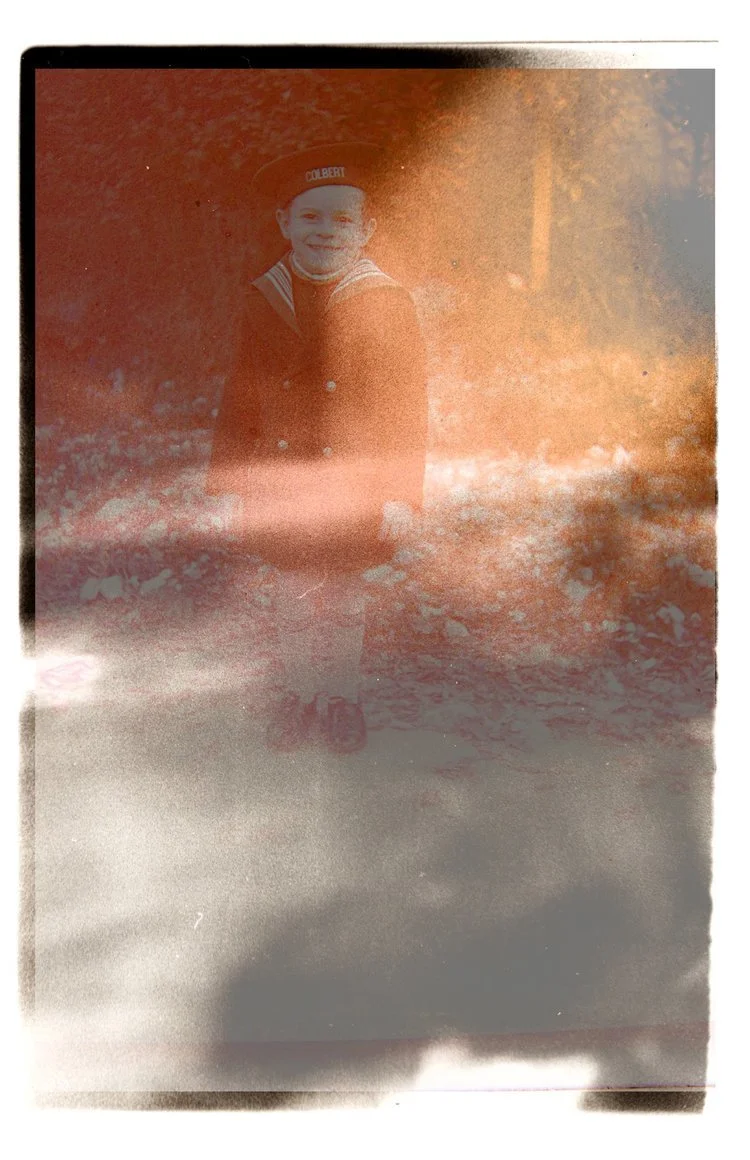
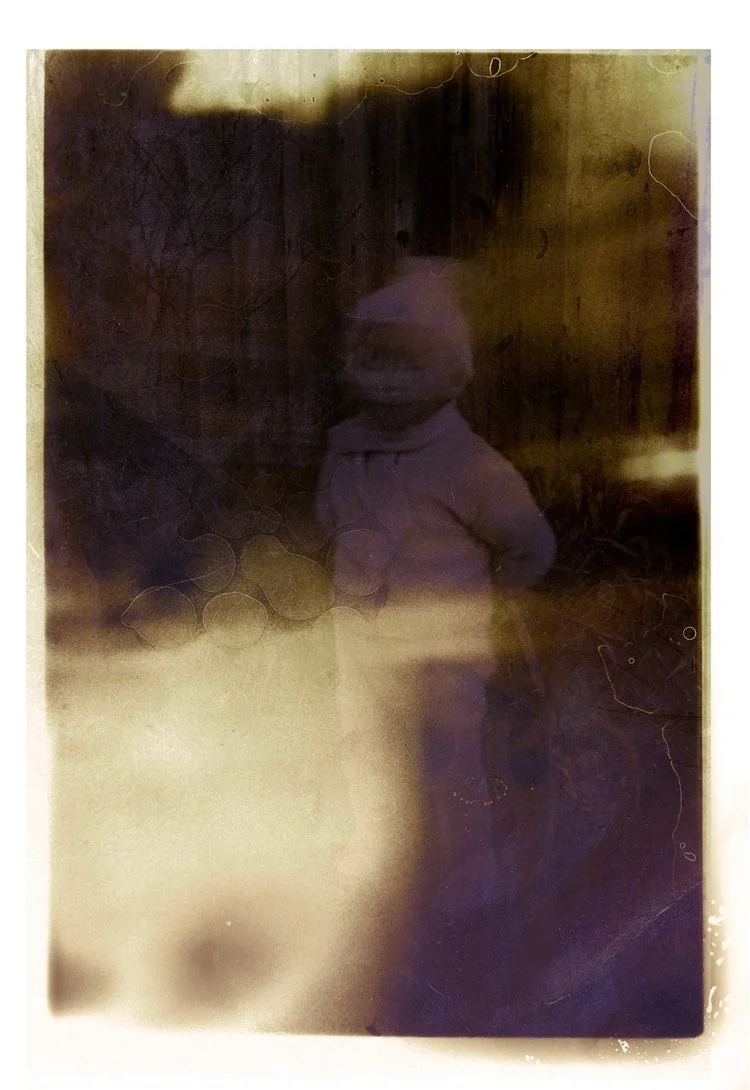
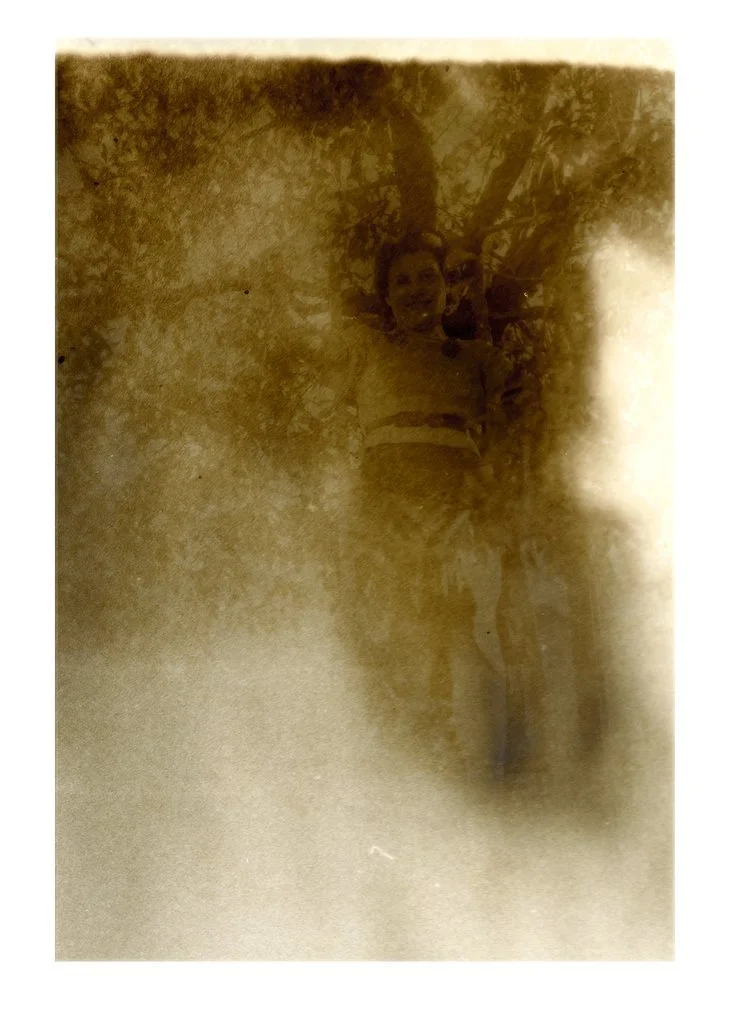
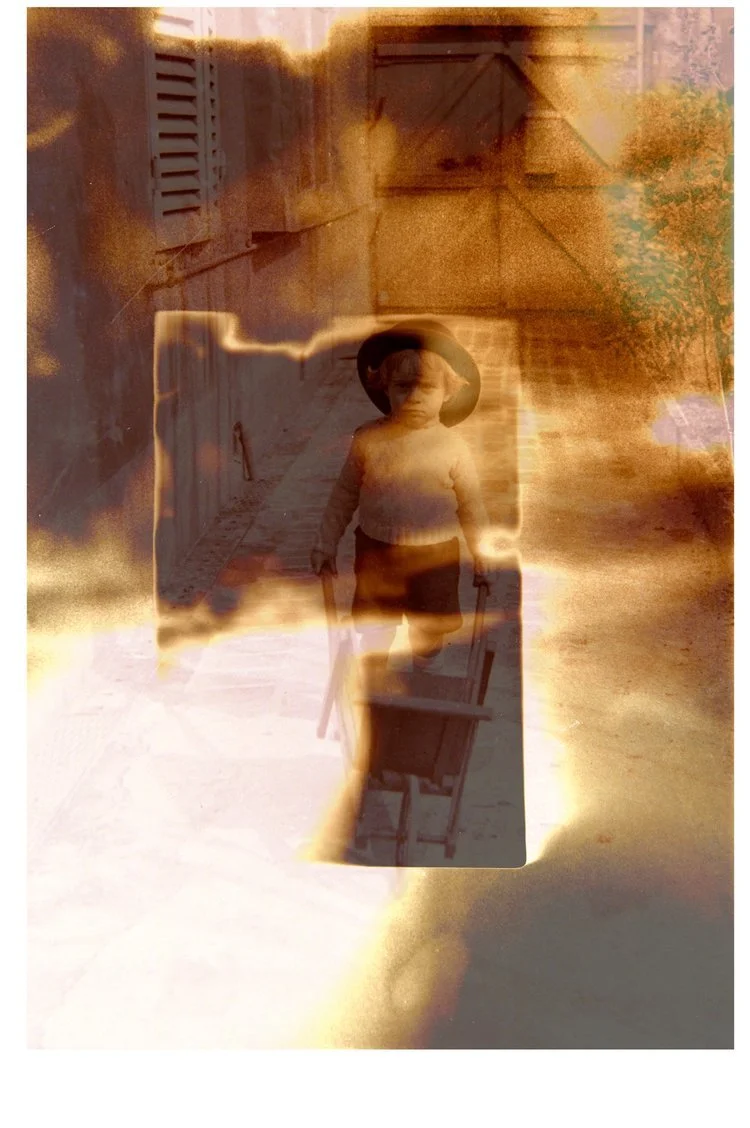
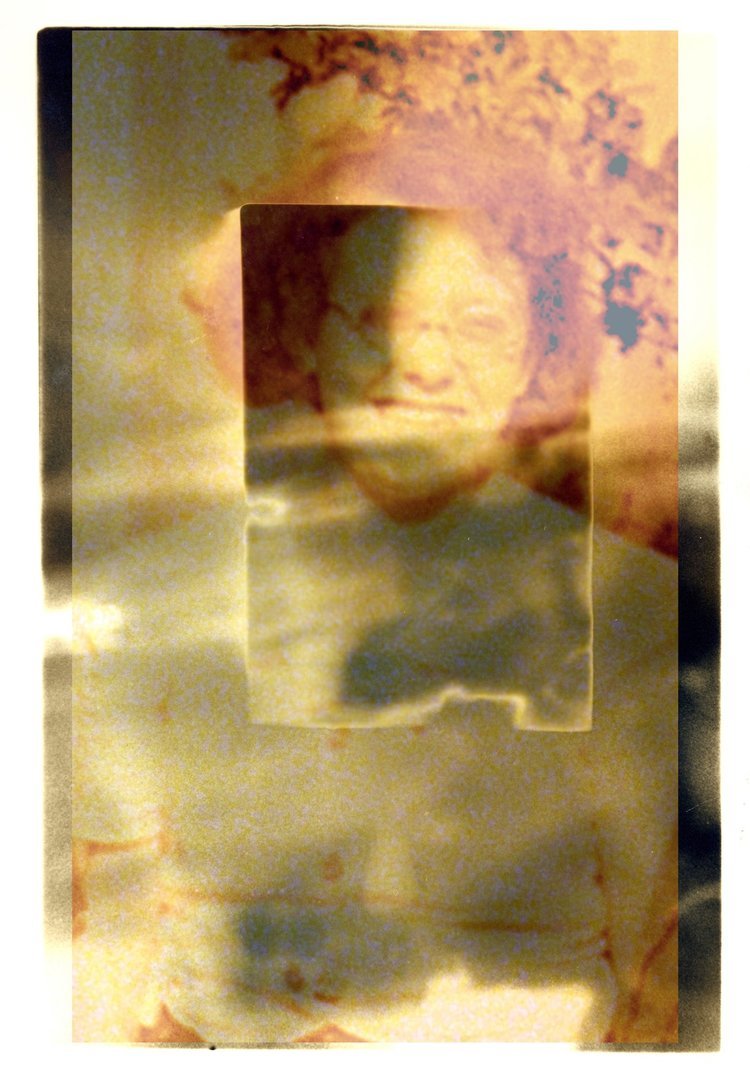
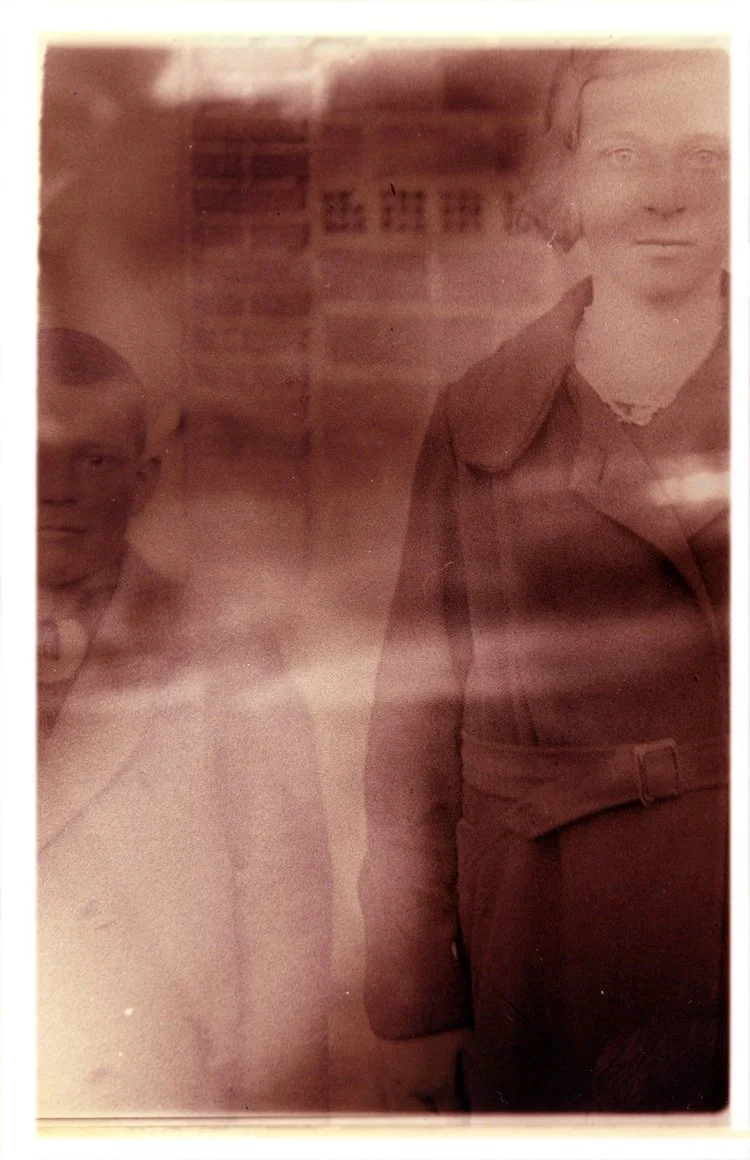
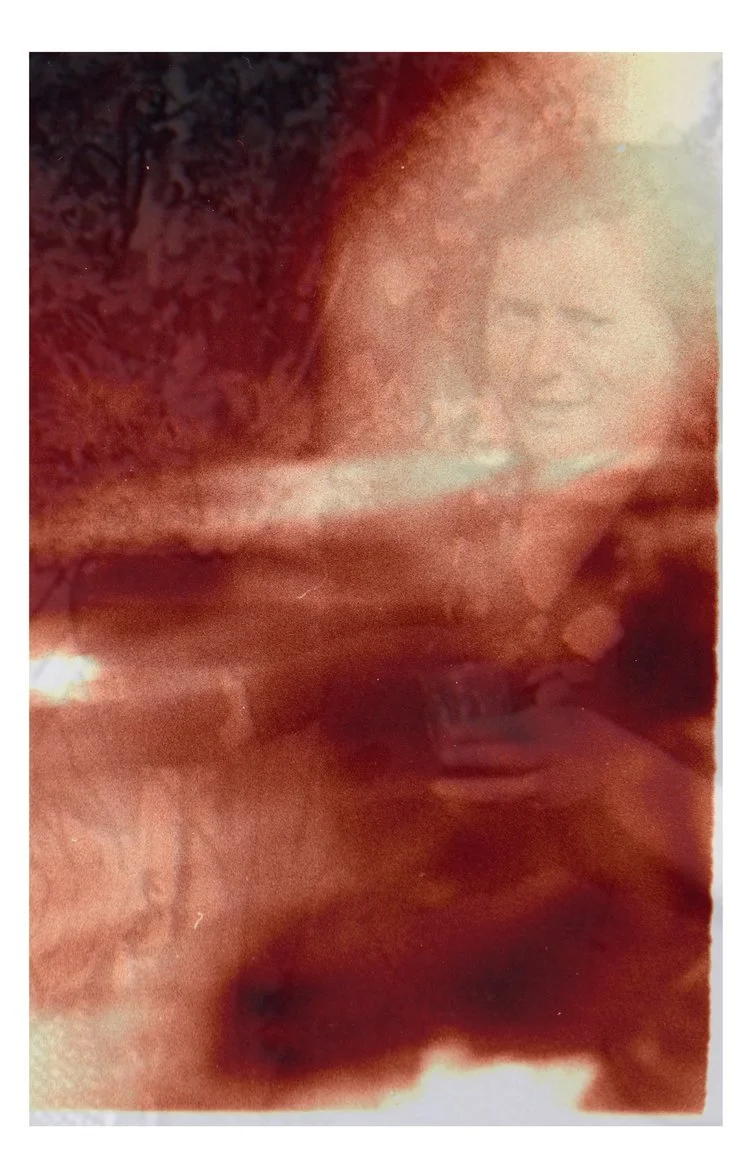
This series reinterprets archival photographs of people, transforming them through luminograms and experimental photographic processes. It explores how photography bears witness to histories marked by rupture, trauma, and survival, working with archival materials connected to those who lived through the concentration camps.
Rather than treating photographs as neutral documents, the project approaches them as active participants in the construction of memory: fragile, partial, and continually reinterpreted. The work proposes that photography can generate speculative yet meaningful models of remembrance, offering new ways of engaging with histories marked by trauma and resilience.
By layering archival references with experimental photographic processes, the project occupies a space between documentation and artistic reconstruction — challenging conventional expectations of what a historical photograph should reveal.
STORY
This series employs principles of scientific fictionalism.
It presents a constructed scenario in which the people in these portraits are imagined to have disappeared during the Second World War, while only their photographs remain.
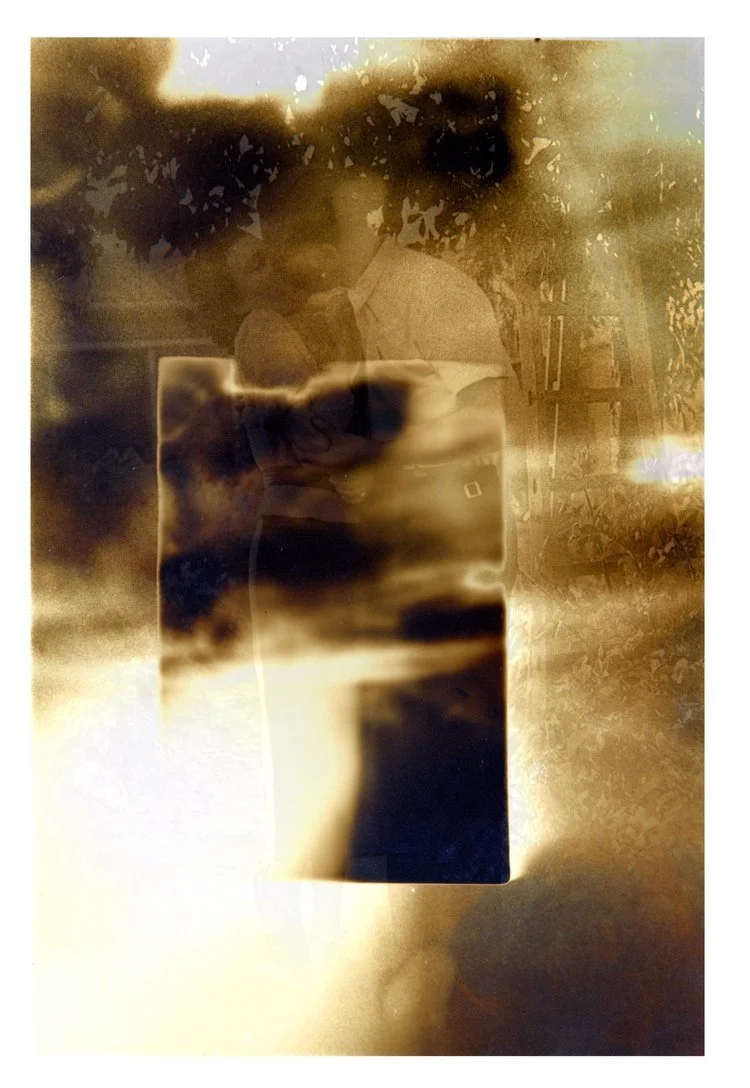
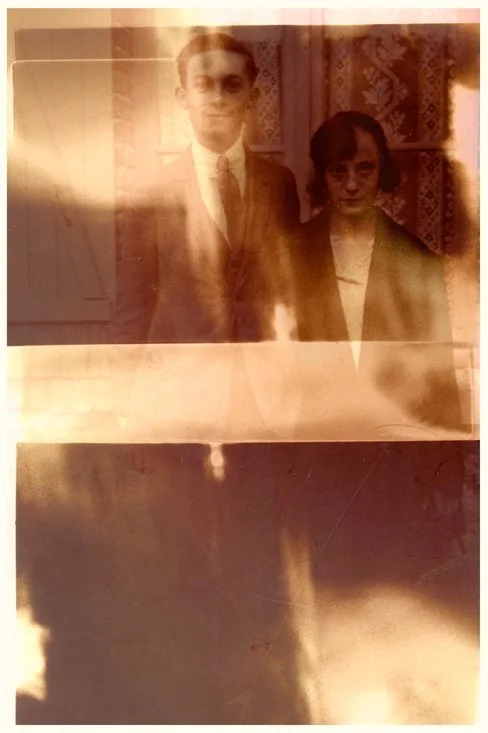
Each image is made in the darkroom using a luminogram, where a match is used as the light source to expose photosensitive paper without a camera.
The brief flare of the match functions as a symbolic stand‑in for a life that appears and then vanishes.
The work asks how we remember individuals when the photograph is the only surviving trace, and what happens when even that trace begins to fade.
Scientific fictionalism & memory
In philosophy of science, fictional models illuminate aspects of reality that cannot be accessed directly. Here, photographic processes function similarly, as speculative models that reveal the instability of historical memory. Constructed images do not replace history; they model its fragility, its gaps, and its continual renegotiation.
Absence, presence & reimagining
Through iterative experimentation, each image embodies the tension between absence and presence. Light, materiality, and reinterpretation honour the past while acknowledging the inherent instability and reconstruction of remembrance.
Ethical engagement with archives
Historical materials are contextualised rather than appropriated. Many images come from familial or historically grounded sources and are treated as testimonies requiring sensitivity, the aim is not to reproduce history but to examine how its narratives evolve.
PROCESS
“The luminogram is the result of pure light design; the rudimentary expression of an interaction of light and photosensitive material… a kind of self-representation of light.”
The luminogram, a variation on the photogram, is created in the darkroom directly on photosensitive paper, then chemically developed and fixed traditionally.
Employing diverse photographic techniques, I incorporate vintage glass negatives sourced from a French flea market, photocopy, luminograms created on Louis Lumière paper with a brief flare of a match, and digital editing.