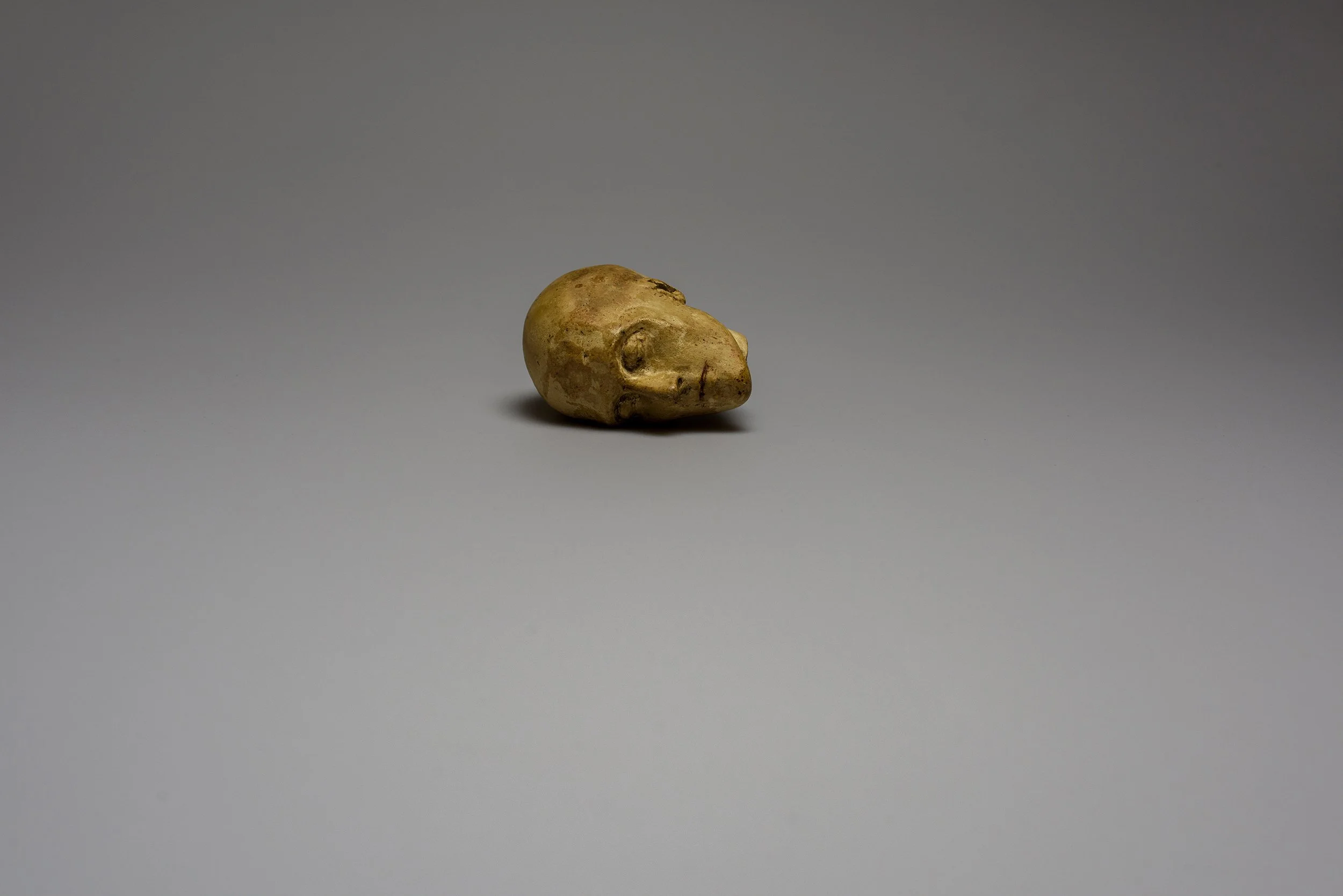
selfhood
"Selfhood" emerged from a previous project, Monuments, and serves as an inquiry into my own physical presence.
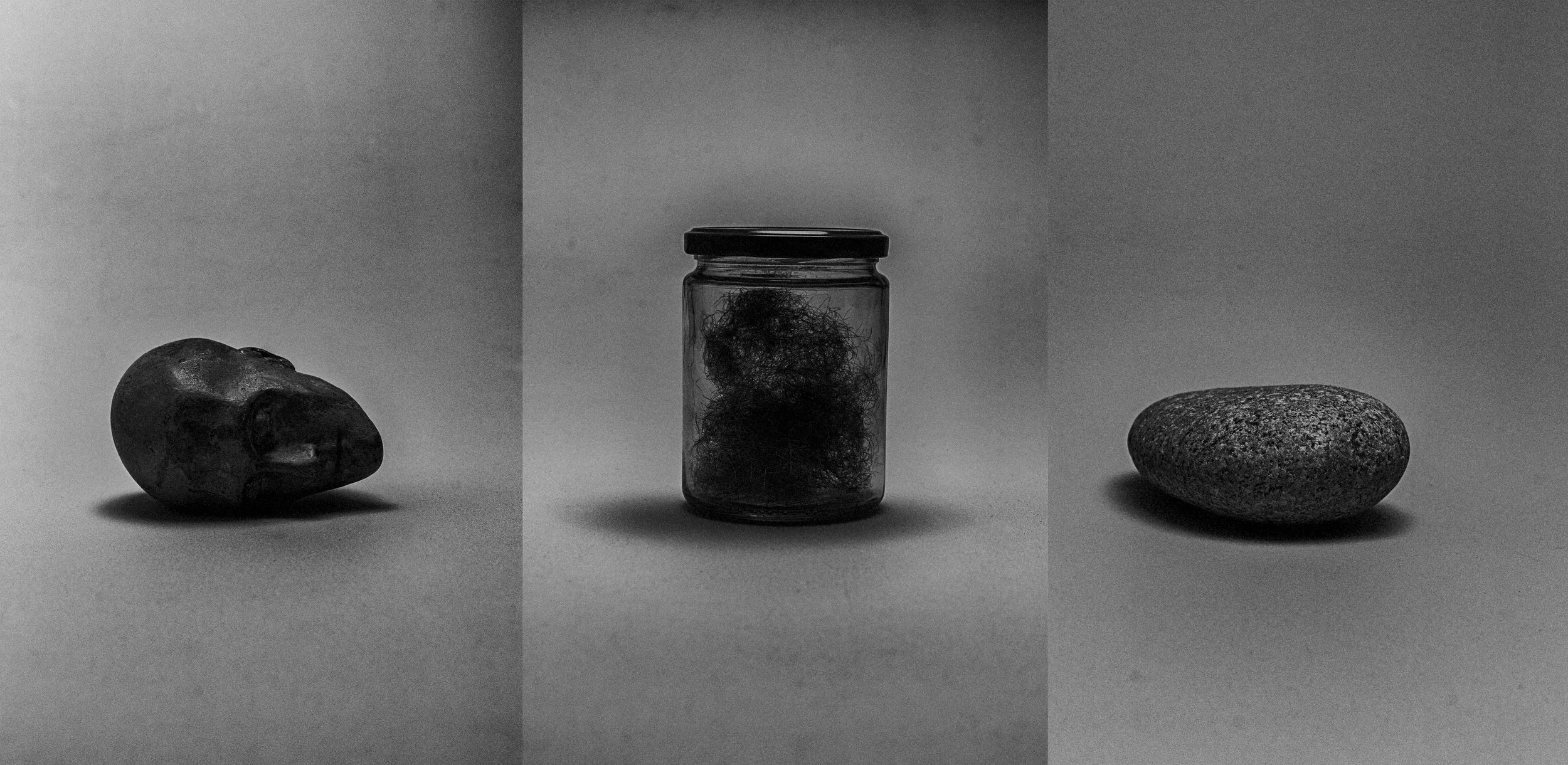
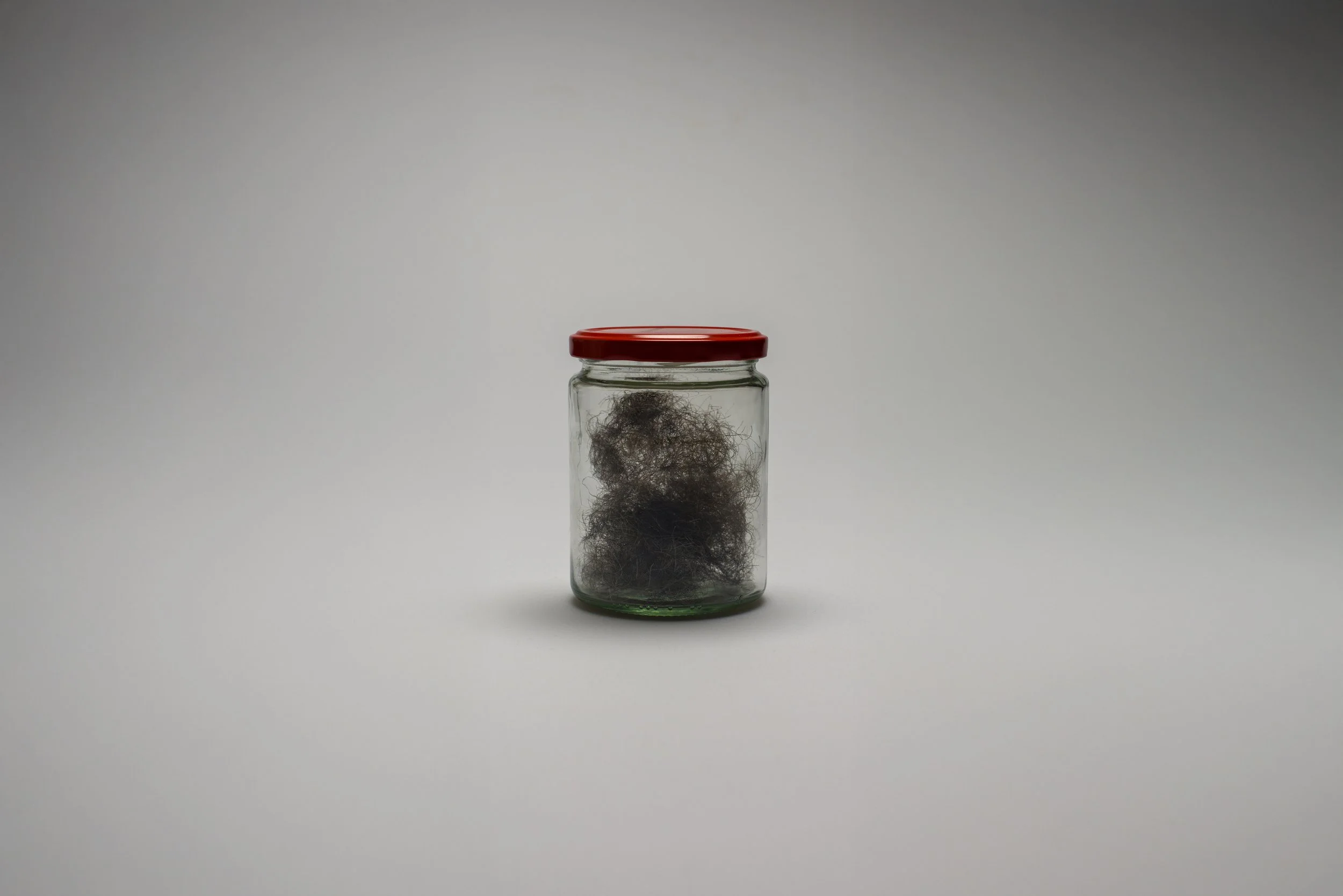
At its core, this project consists of a photograph of a jar filled with my own body hair, a collected archive of selfhood.
Rather than relying on surface and gaze as markers of identity, I engage with what is shed, discarded, yet undeniably part of me. The jar functions as an act of self-archiving, preserving traces of my body over time. This piece extends my ongoing exploration of the body, presence, and absence.
CONTEXT
INTER FAECES ET URINAM NASCIMUR ET MORIMURSelfhood draws from Kristeva's concept of abjection and Artaud's radical rethinking of representation. The jar, as an archive of my own bodily remnants, disrupts traditional understandings of self-portraiture. Unlike conventional imagery that emphasises external appearance, this work collects the biological residue of identity, transforming the act of self-representation into an ongoing material record.
Kristeva's theory of abjection (1982) is particularly relevant here. Detached body hair carries a sense of unease, an intimate residue that is neither entirely self nor entirely other. This confrontation with discarded material aligns with my broader inquiry into body representation, as seen in Monuments, a photography series that attempts to reimagine the representation of the female body.
Julia Kristeva
Powers of Horror: An Essay on Abjection, 1982
Abjection describes what disturbs identity, system, order — what does not respect borders, positions, rules. Detached body hair sits at the threshold: intimately mine yet strangely other, expelled yet preserved.
Antonin Artaud
The Theatre and Its Double, 1958
Artaud argued against symbolic containment, advocating for an art that directly confronts visceral reality — not mediating the body through external visual codes, but staging an immediate encounter with material presence
METHODS & PROCESS
The creation of Selfhood rejects traditional portraiture in favour of material accumulation. Over time, I gathered strands of my own body hair, each shedding marking a temporal event, an instance of transformation. The jar operates as both a site of containment and exposure — an object that both secures and displays its contents.
I seek to reposition the act of portraiture, stripping it of reliance on skin, facial recognition, or conventional representation. Instead, the body is framed through what it leaves behind, what is unseen yet intimately tied to presence.
I materialise presence through direct bodily remnants, situating the portrait in the realm of touch, trace, and collection rather than visual likeness.
Additionally, Selfhood speaks to broader concerns regarding the politics of self-representation. Hair, historically imbued with cultural and societal implications, becomes a disruptive material within the context of portraiture. By shifting the frame from the visible body to its remnants, I resist the constraints of photographic idealisation, opting instead for an unfiltered engagement with materiality.
The body is not represented through abstraction; it is enacted through its physical trace.
Kristeva's notion of abjection provides a critical foundation for Selfhood, reinforcing the tension between intimacy and rejection (Kristeva, 1982). The act of collecting bodily remnants, what should be discarded, challenges the dichotomy between purity and contamination, between what is considered part of oneself and what is excluded. The jar amplifies this tension, preserving what might otherwise be erased and forcing engagement with the lingering presence of the body's discarded elements.
Artaud's critique of representation in The Theatre and Its Double (1958) also informs the work. Artaud argued against symbolic containment, advocating for an art that directly confronts visceral reality. My approach aligns with this disruption, rather than mediating the body through external visual codes, Selfhood stages an immediate encounter with material presence.
BIBLIOGRAPHY
Artaud, A. (1958). The Theatre and Its Double. Grove Press.
Kristeva, J. (1982). Powers of Horror: An Essay on Abjection. Columbia University Press.