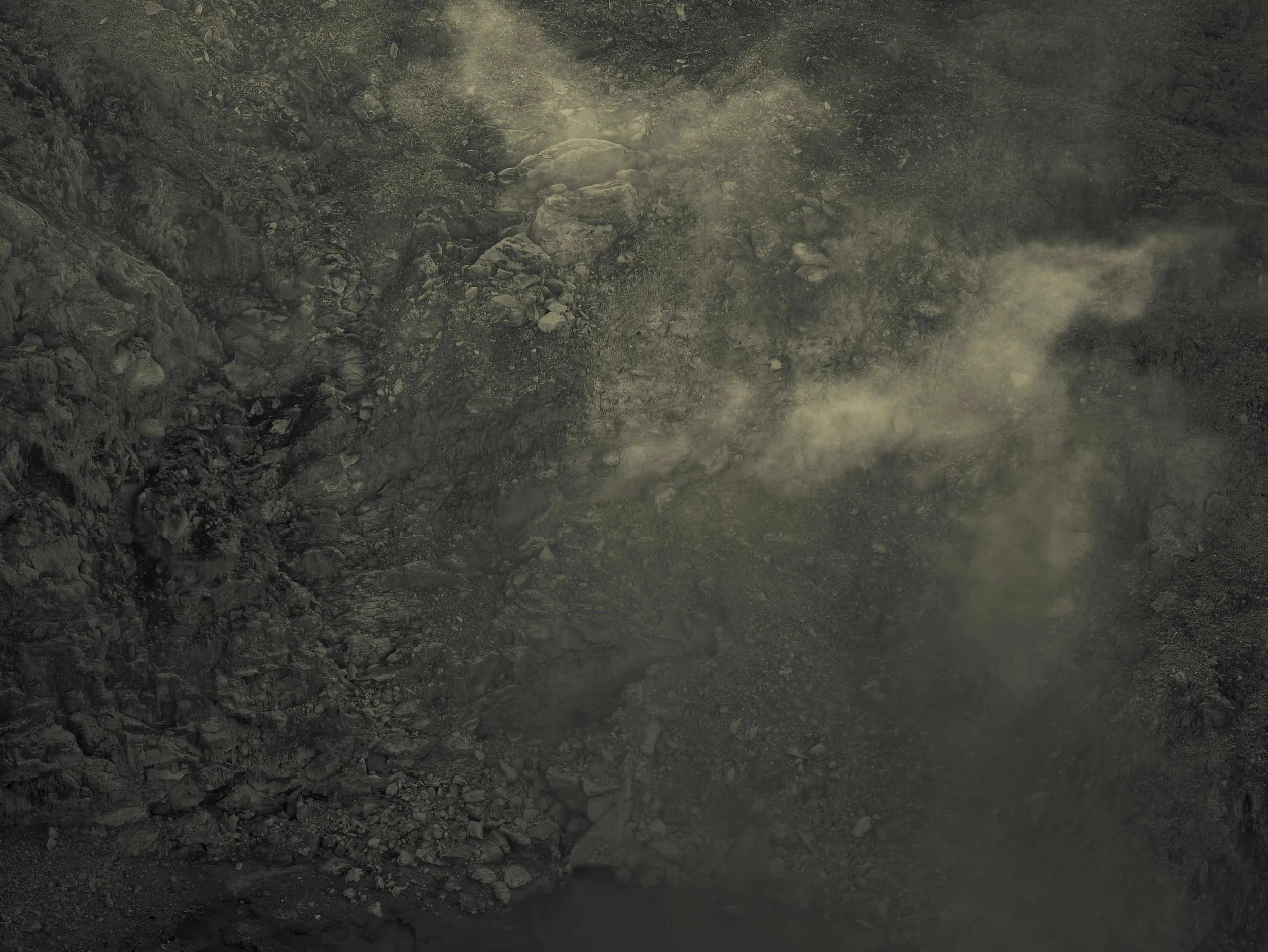
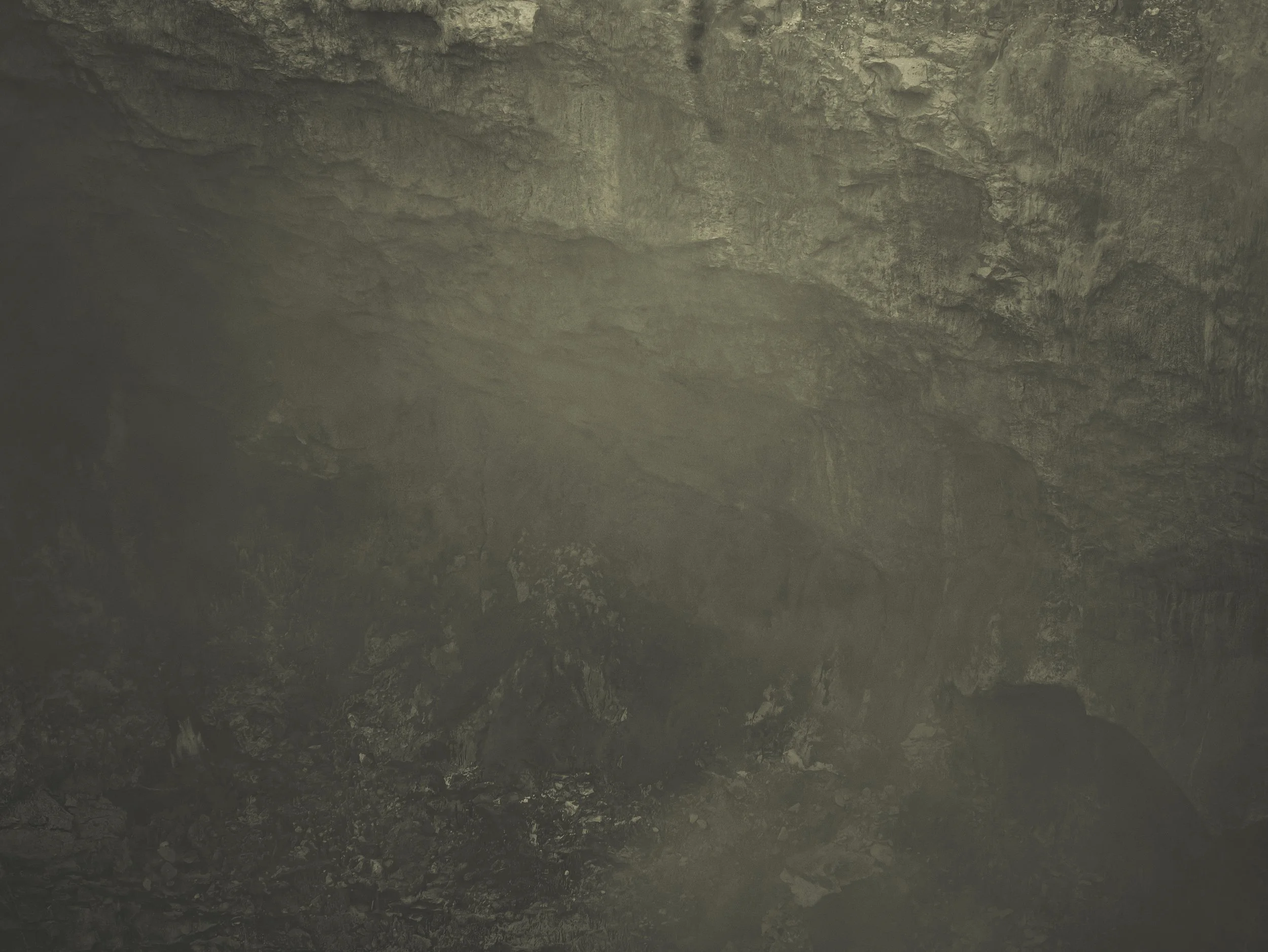
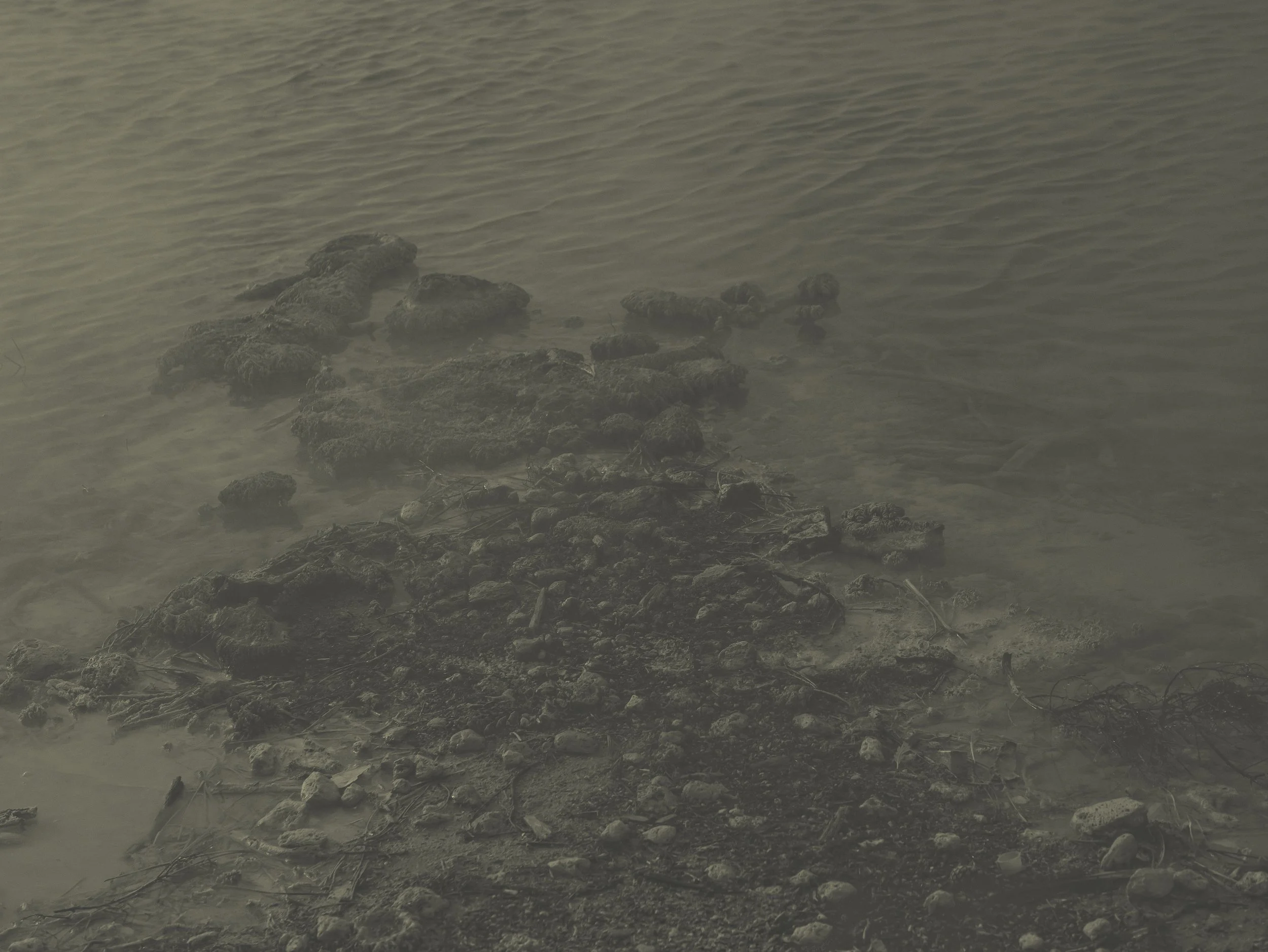
At Wai O Tapu the earth is still being made.
Heat rises from deep below, water carries minerals to the surface, and over thousands of years the ground has been dissolved, stained, cracked and renewed. It is a landscape that has never been finished.
In Māori understanding it is also not only a landscape.
The land, the forces beneath it and the spiritual realm are not separate things here, but one continuous presence that people have lived beside, and listened to, for generations.
The place is known for its extremes: its vivid pools, its steaming terraces, the colours that draw visitors from all over the world. Those colours are real, but they are also loud. They announce themselves, and in doing so they can speak over everything else the place has to say.
This series sets colour aside.
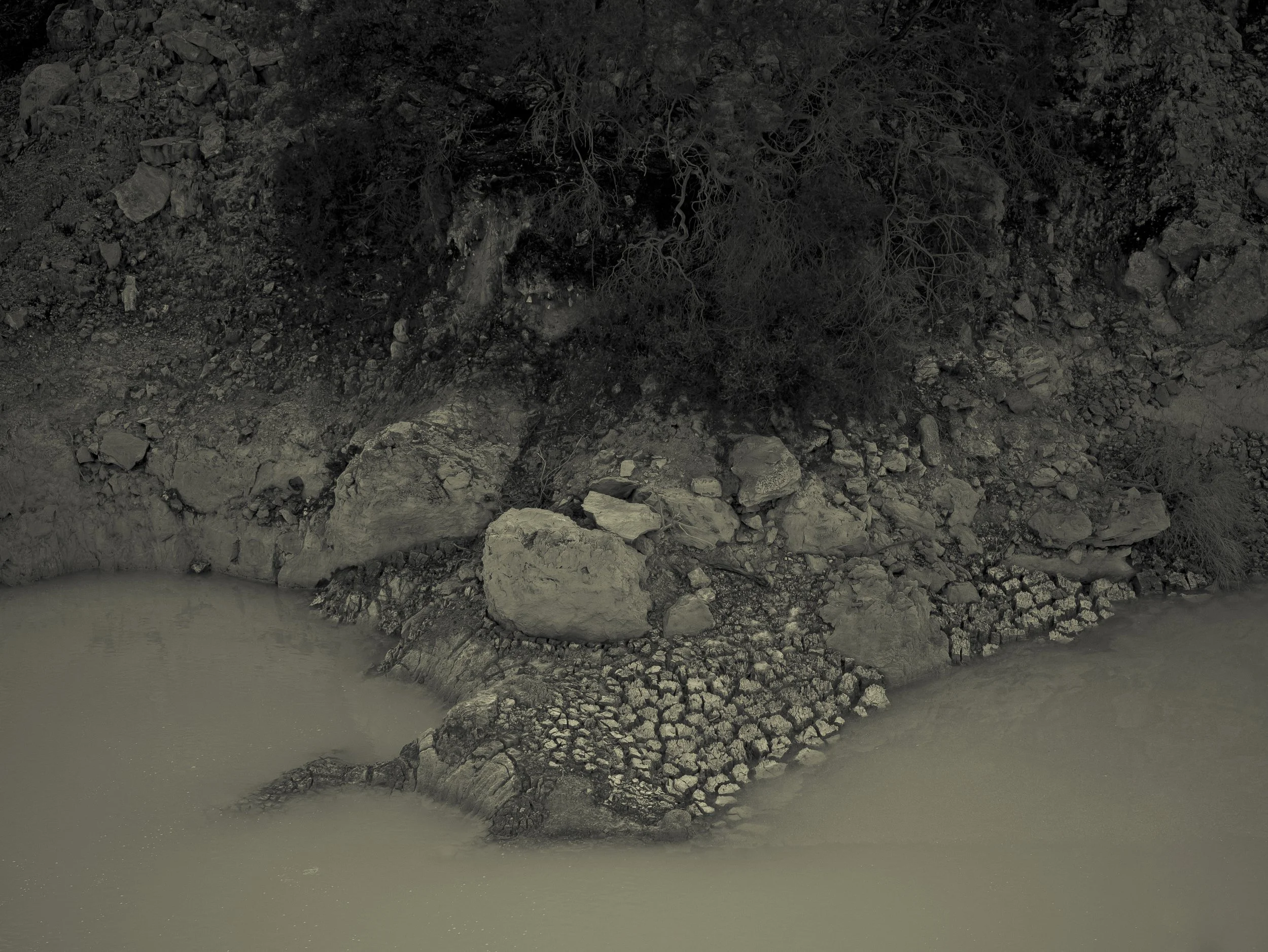
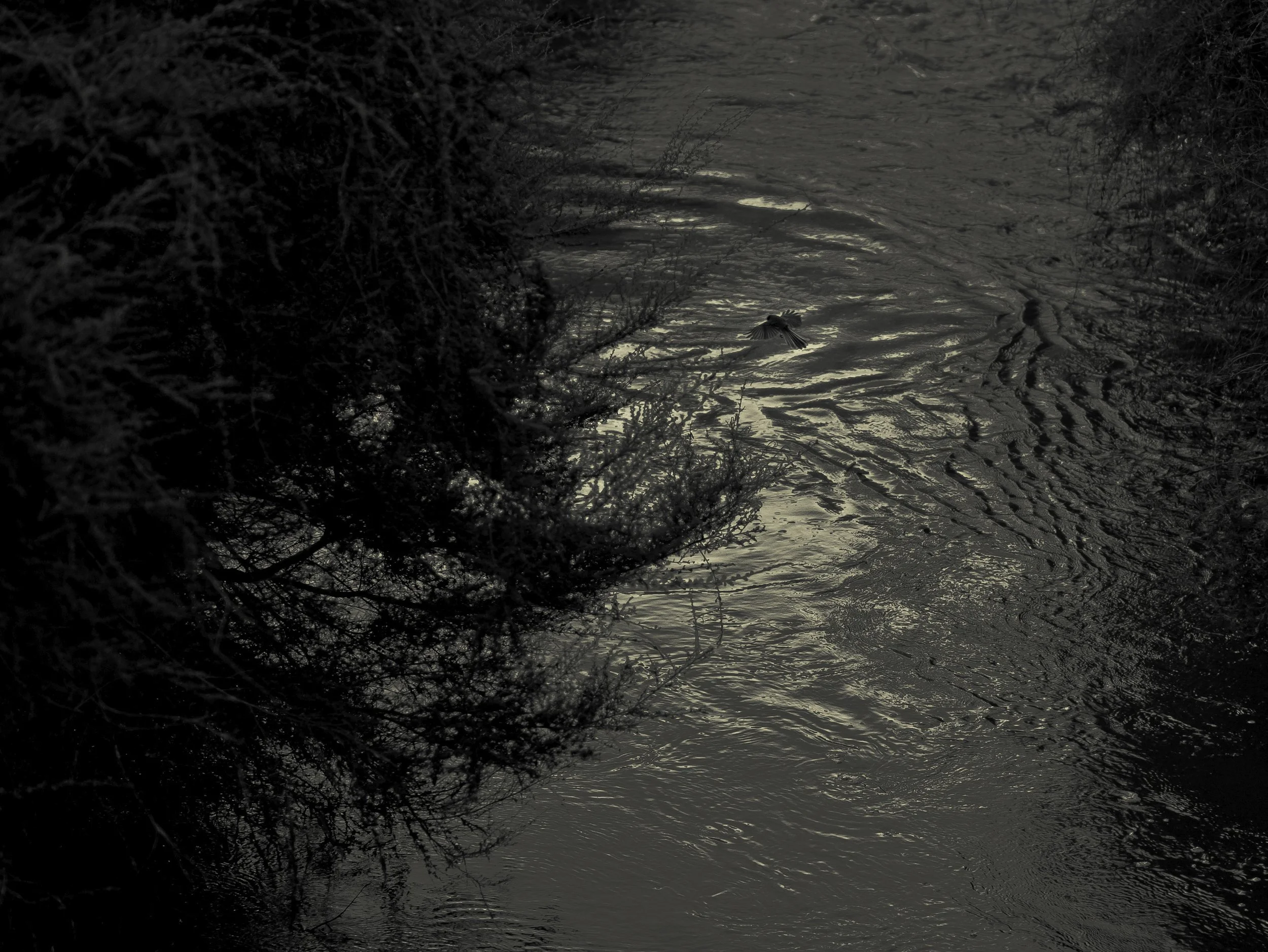
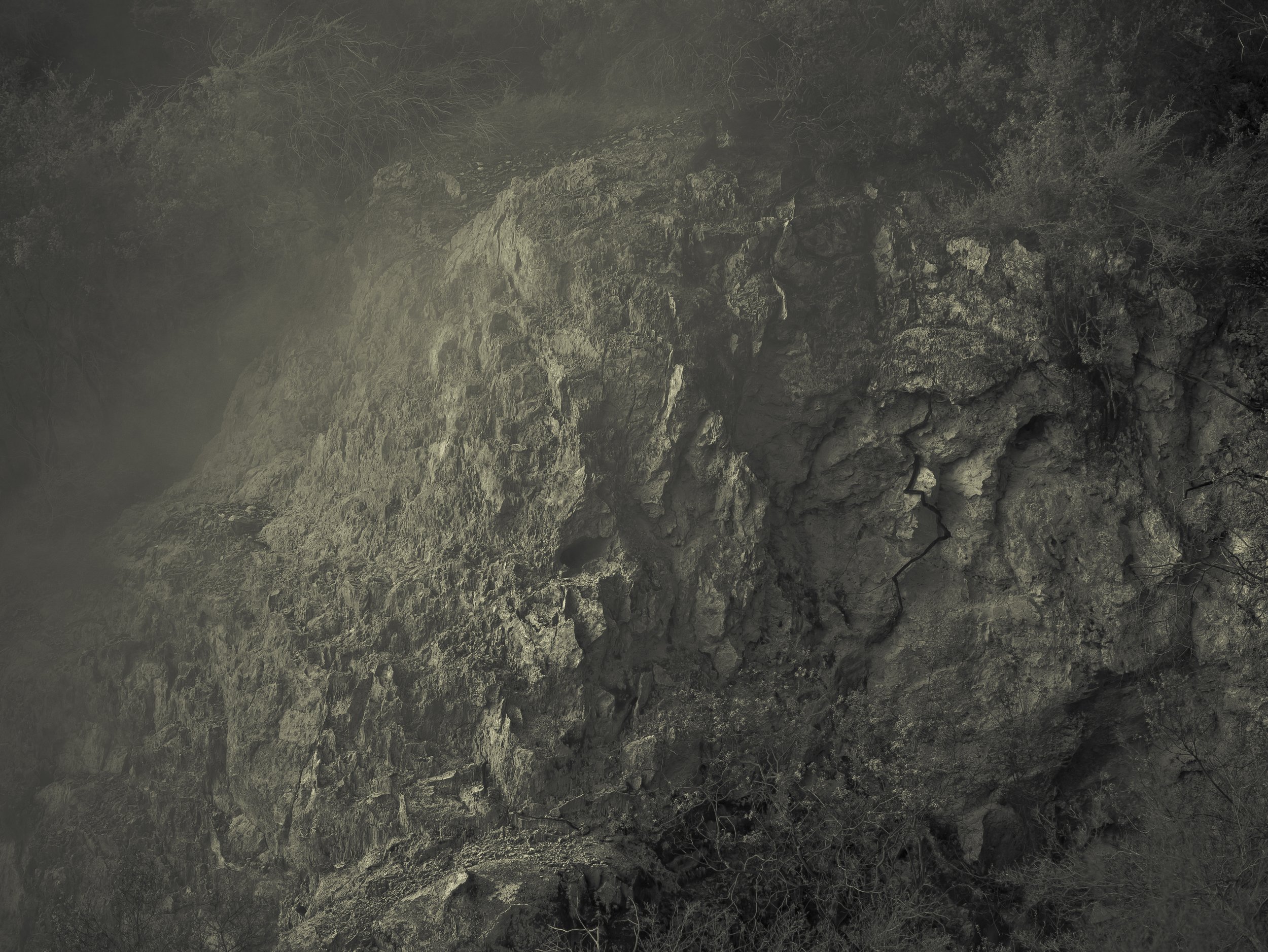
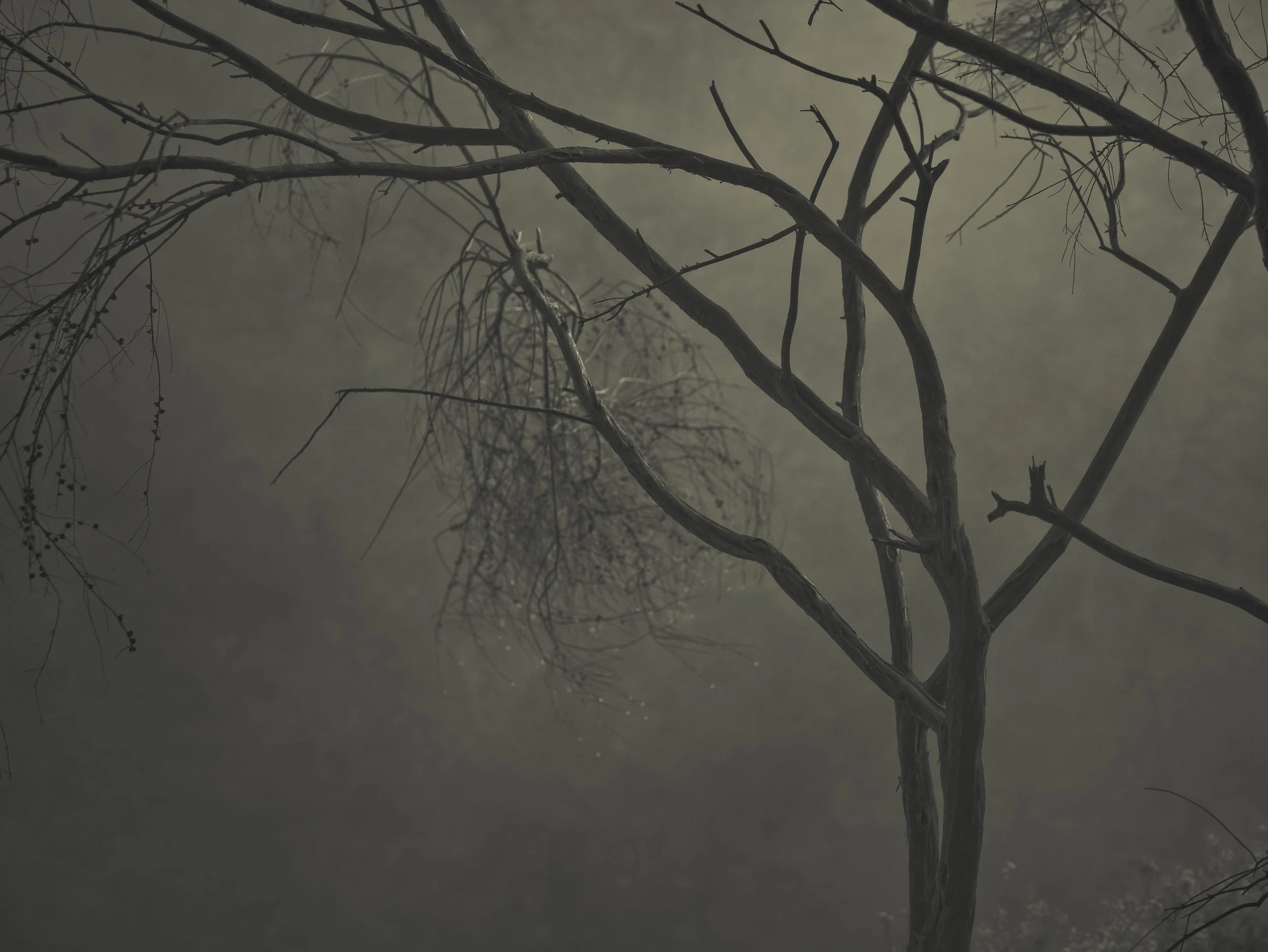
Working in sepia, I wanted to see what remains when the spectacle is removed: the grain of the rock, the skin of cracked mud at the water’s edge, the movement of light on a stream, a bird crossing the dark. Without the artifice of colour, the eye slows down. Texture becomes form, and mist becomes a kind of breath. The images become quieter, and perhaps closer to how the place is felt rather than how it is seen.
These photographs do not attempt to explain Wai O Tapu, or to claim it. They are an attempt to stand at its edge with respect, and to record something of its presence: ancient, restless, and still alive