The zoo: A mise-en-scène.
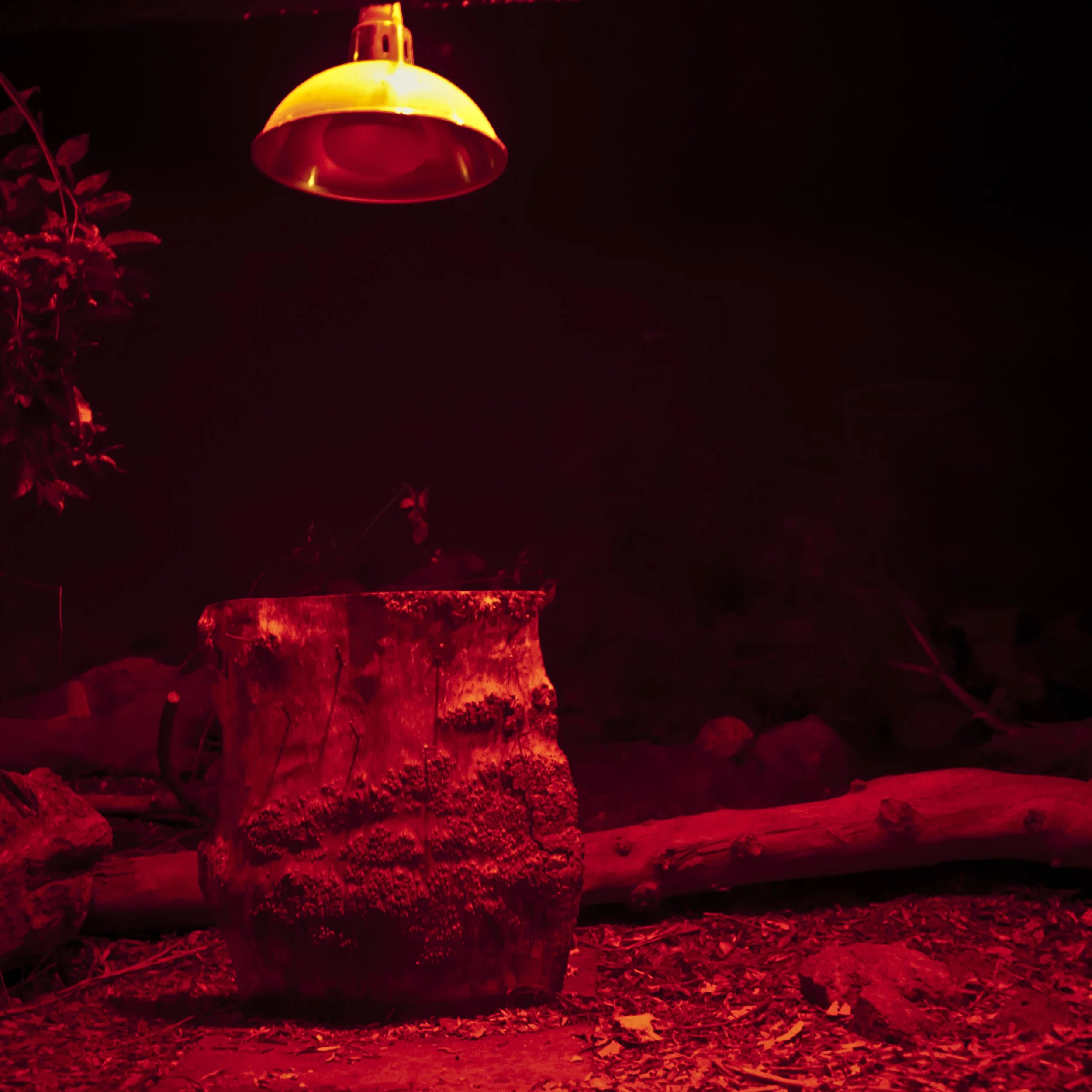
The zoo is not simply a place where animals are housed—it is a meticulously designed theatrical environment, a mise-en-scène, where both animals and humans perform within an orchestrated spectacle.
Every architectural and aesthetic choice—stages, props, simulated landscapes, artificial lighting—contributes to a carefully constructed world where nature is choreographed to align with human vision.
Overview and Historical Context
I see the zoological garden as a constructed representation of nature, shaped by historical and cultural forces.
Historically, zoos were microcosms of colonial and imperial imaginaries, designed to encapsulate distant geographies in controlled settings.
The Menagerie at Versailles, for example, showcased exotic fauna as symbols of power, while nineteenth-century zoological spaces reinforced ideas of dominance and possession.
Even in contemporary contexts, Carl Hagenbeck’s naturalistic zoo designs and the Paris Zoological Park’s biozones dictate how visitors engage with the animals—not as autonomous beings but as subjects within curated landscapes.
