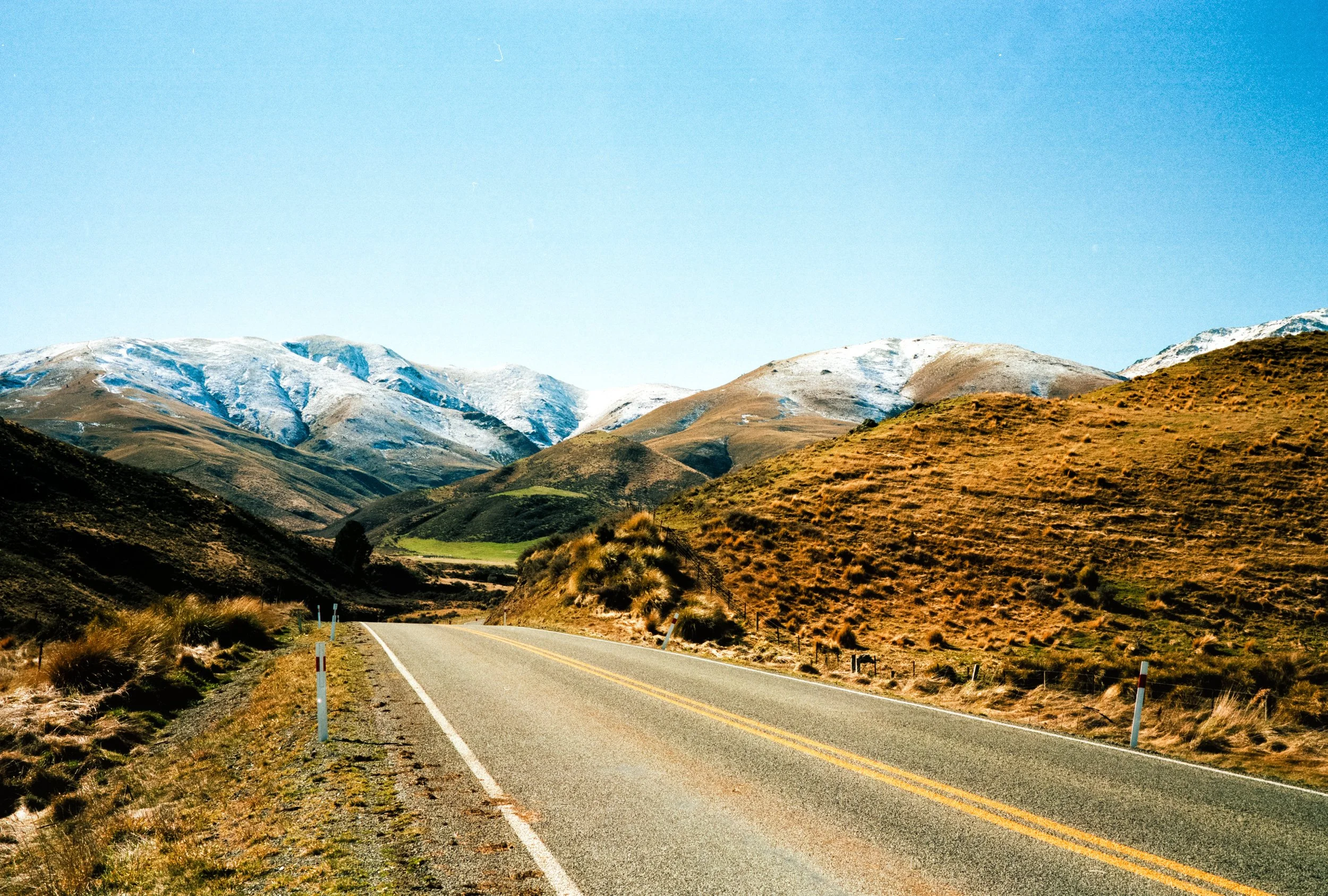
road kills
Scenic beauty is hell.
There is a particular moment on New Zealand roads when the landscape stops being scenery and becomes a kind of overbearing host.
You are driving along, perfectly content, when a mountain decides to loom at you with theatrical intent. A lake glitters as though auditioning for a jewellery commercial. A valley sighs in your direction. Before you know it, you have swerved onto the gravel shoulder, door half‑open, camera already in hand. You did not choose the photograph: the photograph chose you.
Mishima’s line - “Scenic beauty is hell, isn’t it?” (1) - feels as though it were written for this exact roadside ambush. Not a fiery, dramatic hell, but the gentler kind: the hell of being seduced, again and again, by a landscape that knows precisely how good it looks. Aotearoa is the friend who insists they are “not really dressed up” while standing there in full couture, sunlight arranged like a personal lighting technician.
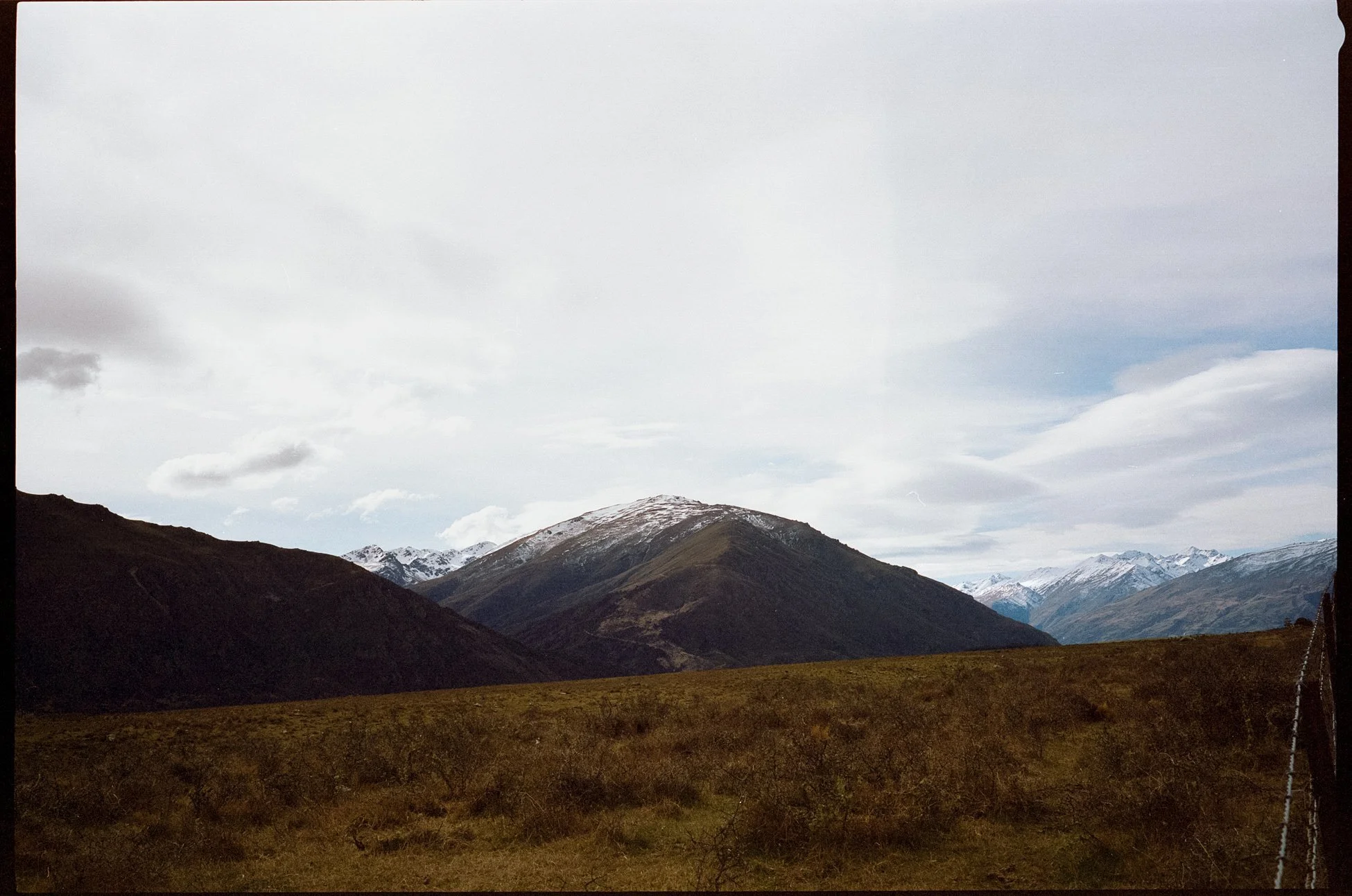
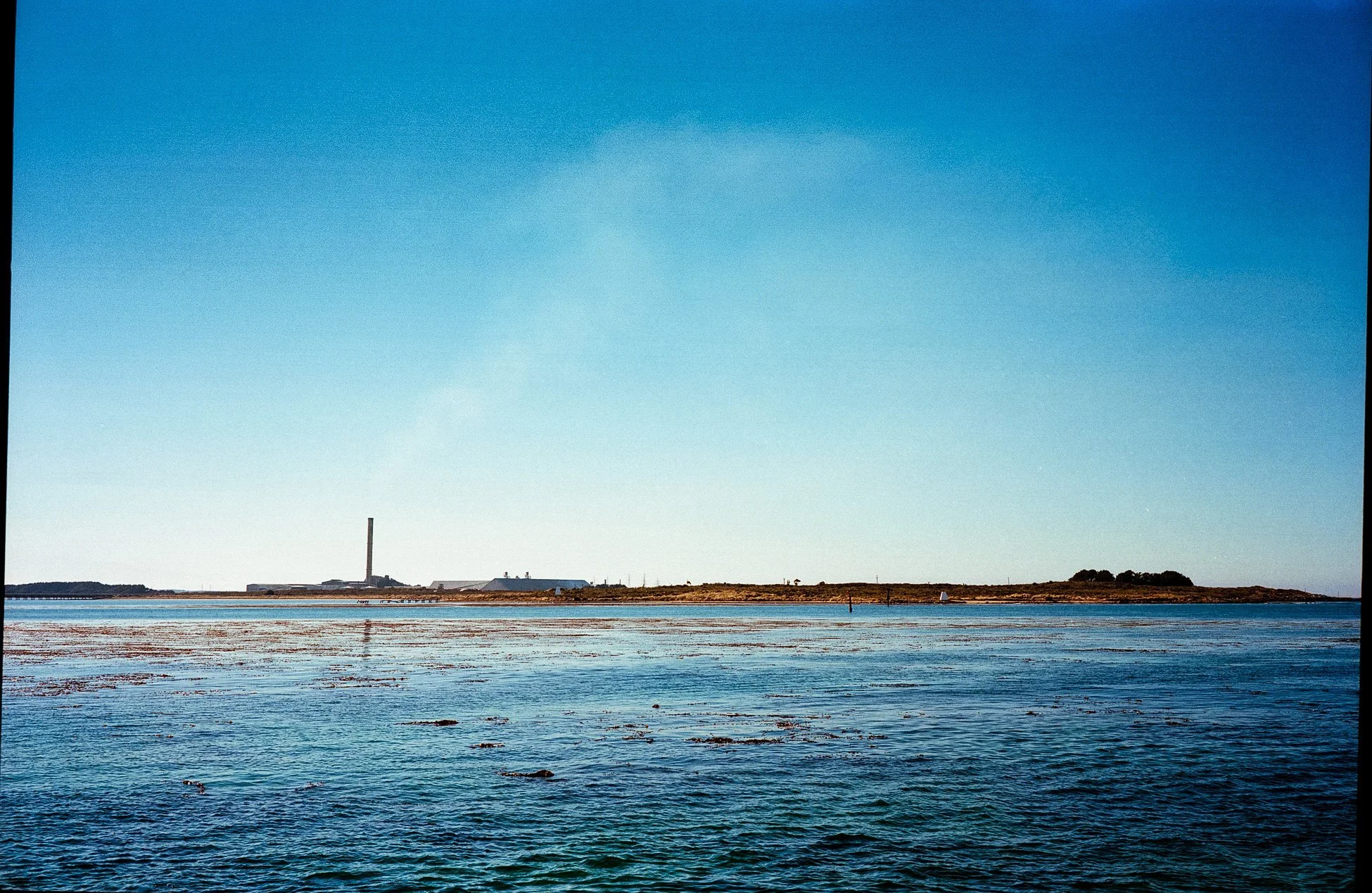
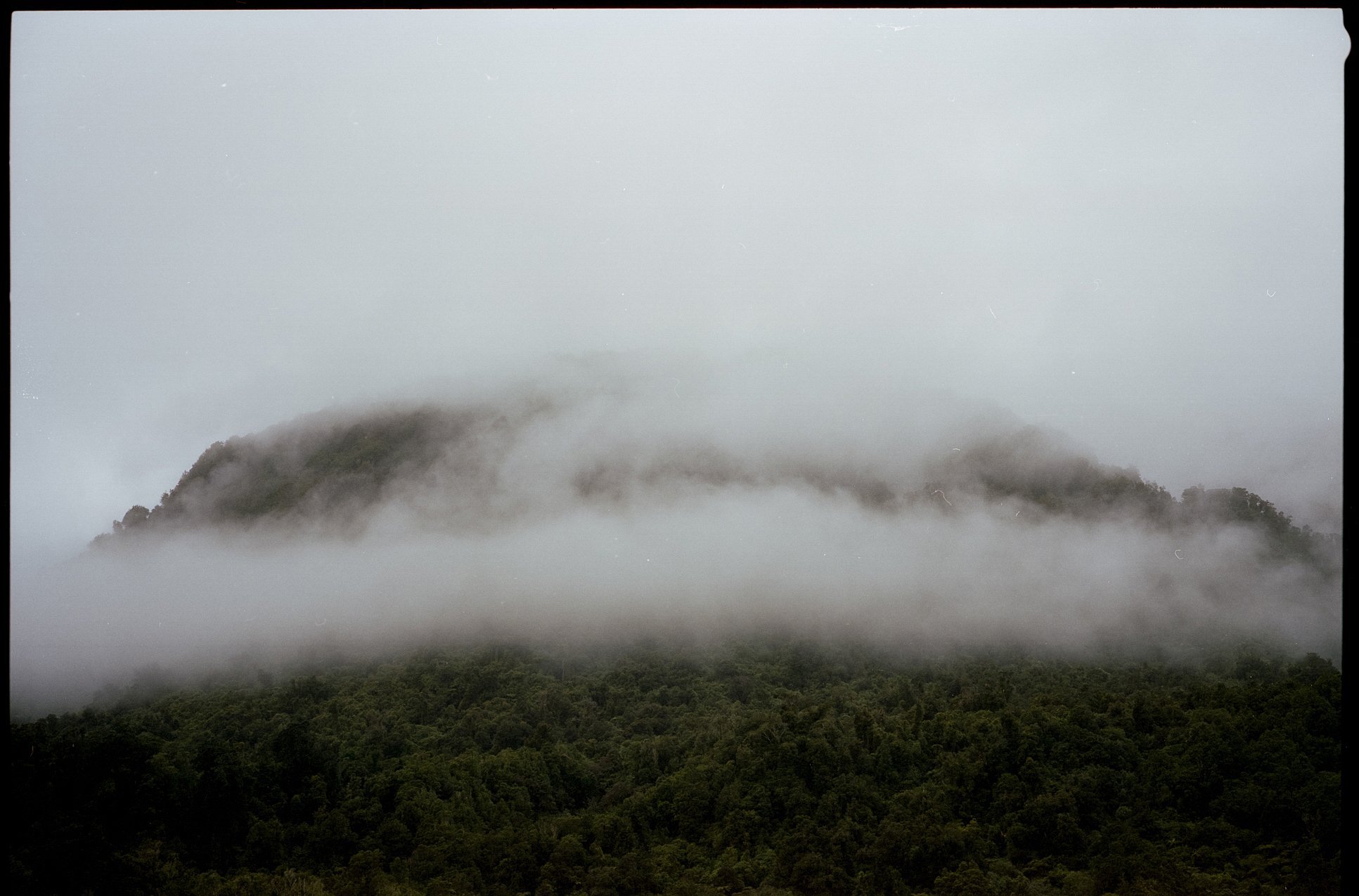
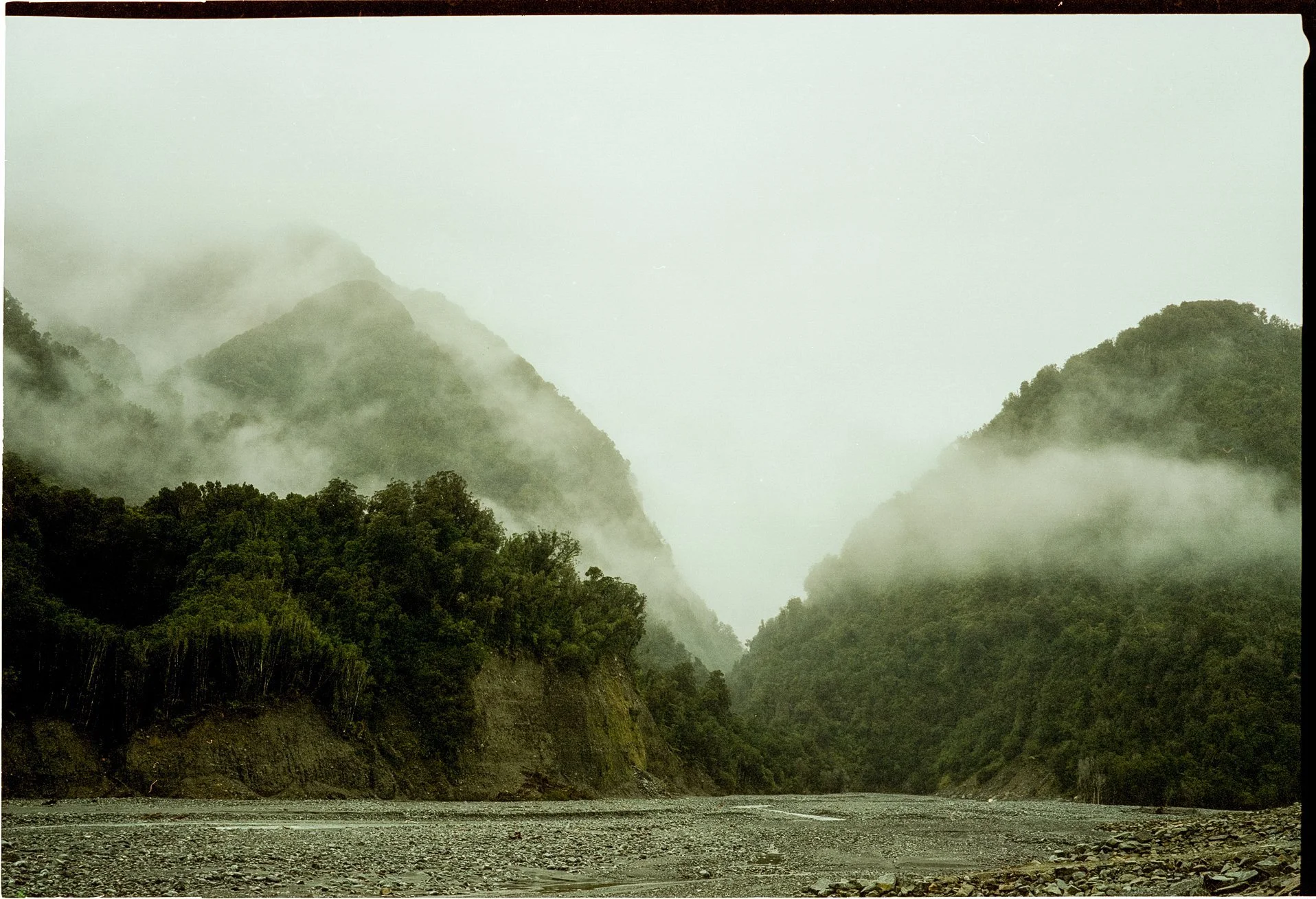
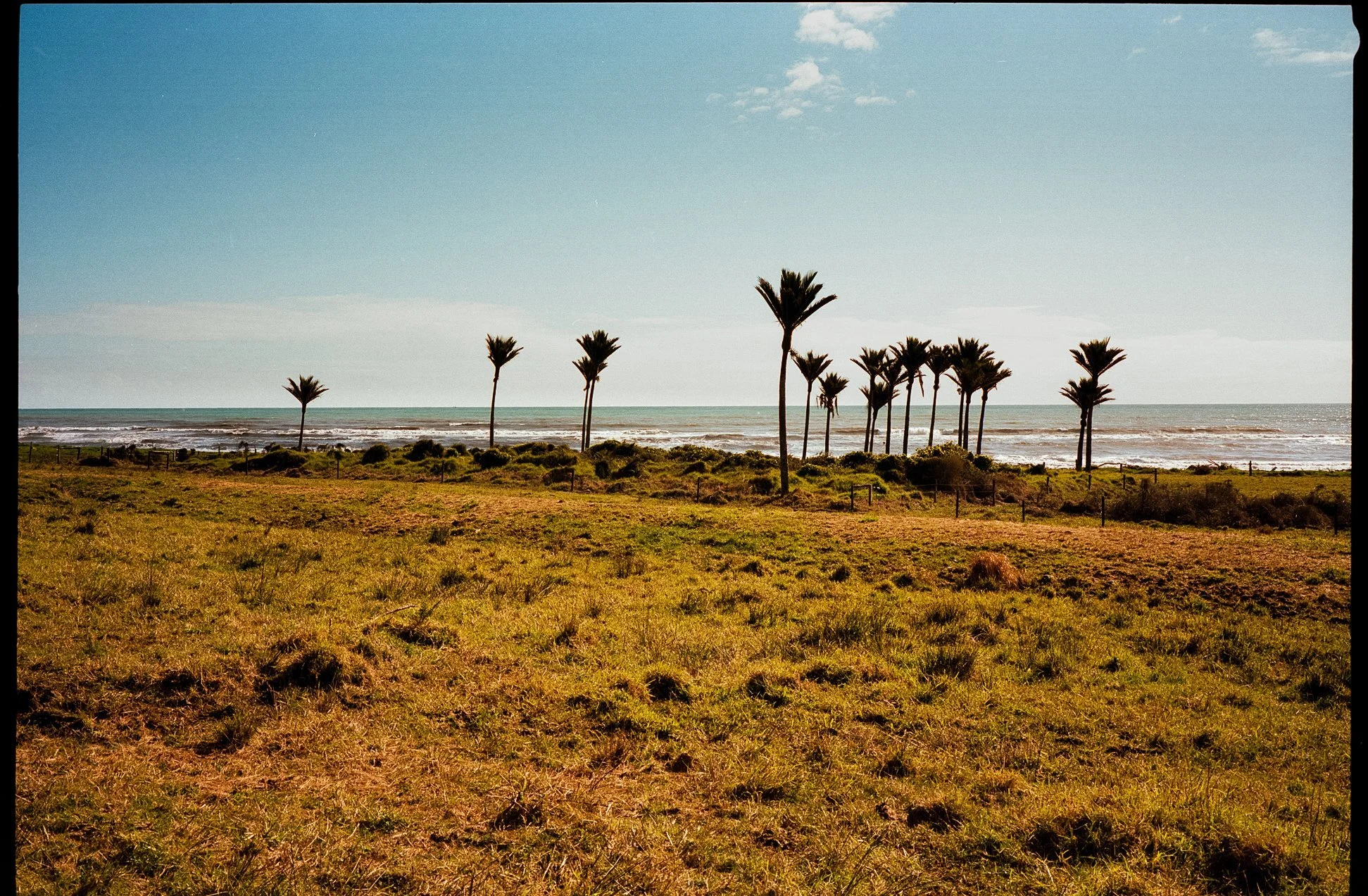
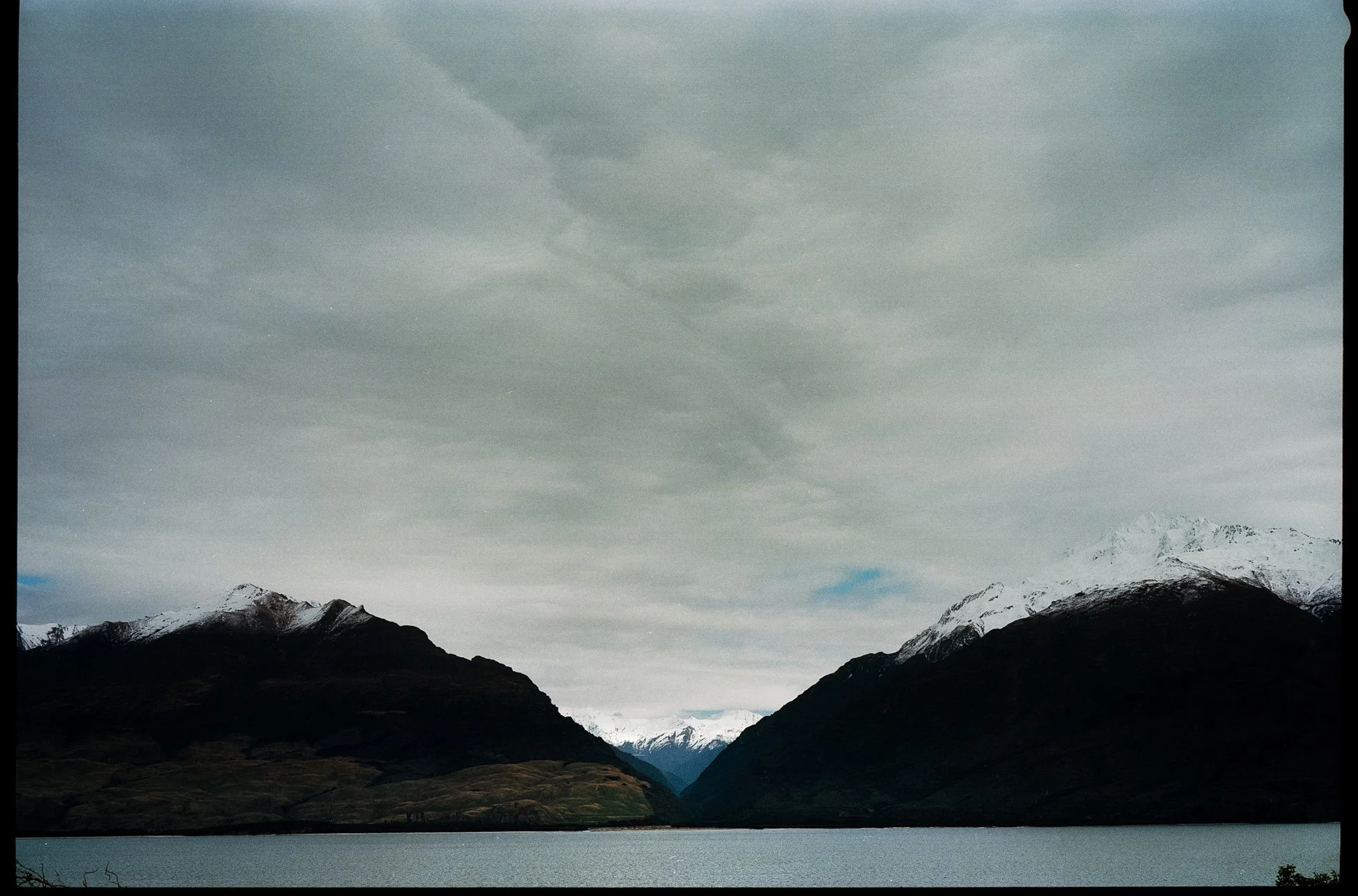
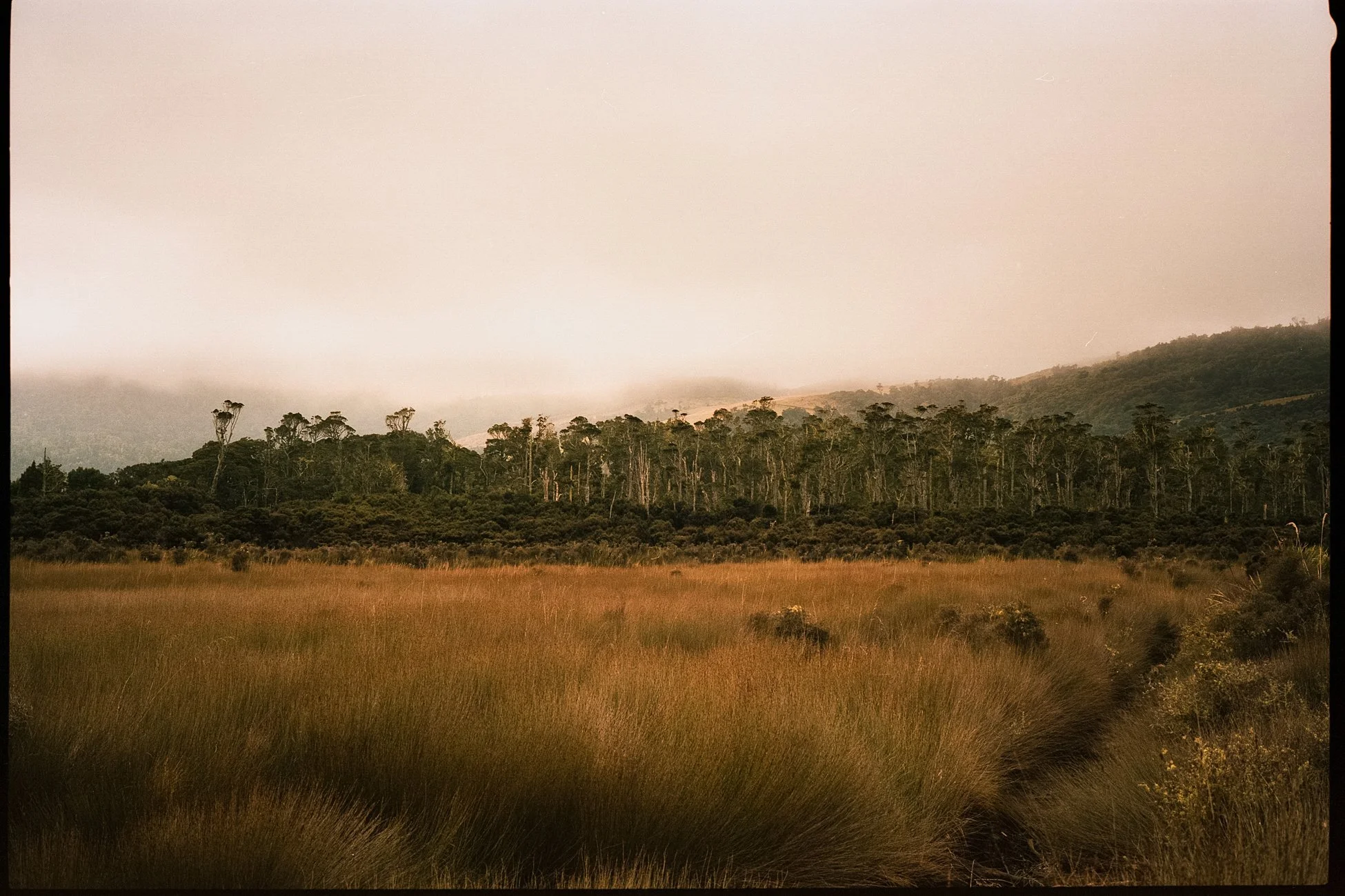
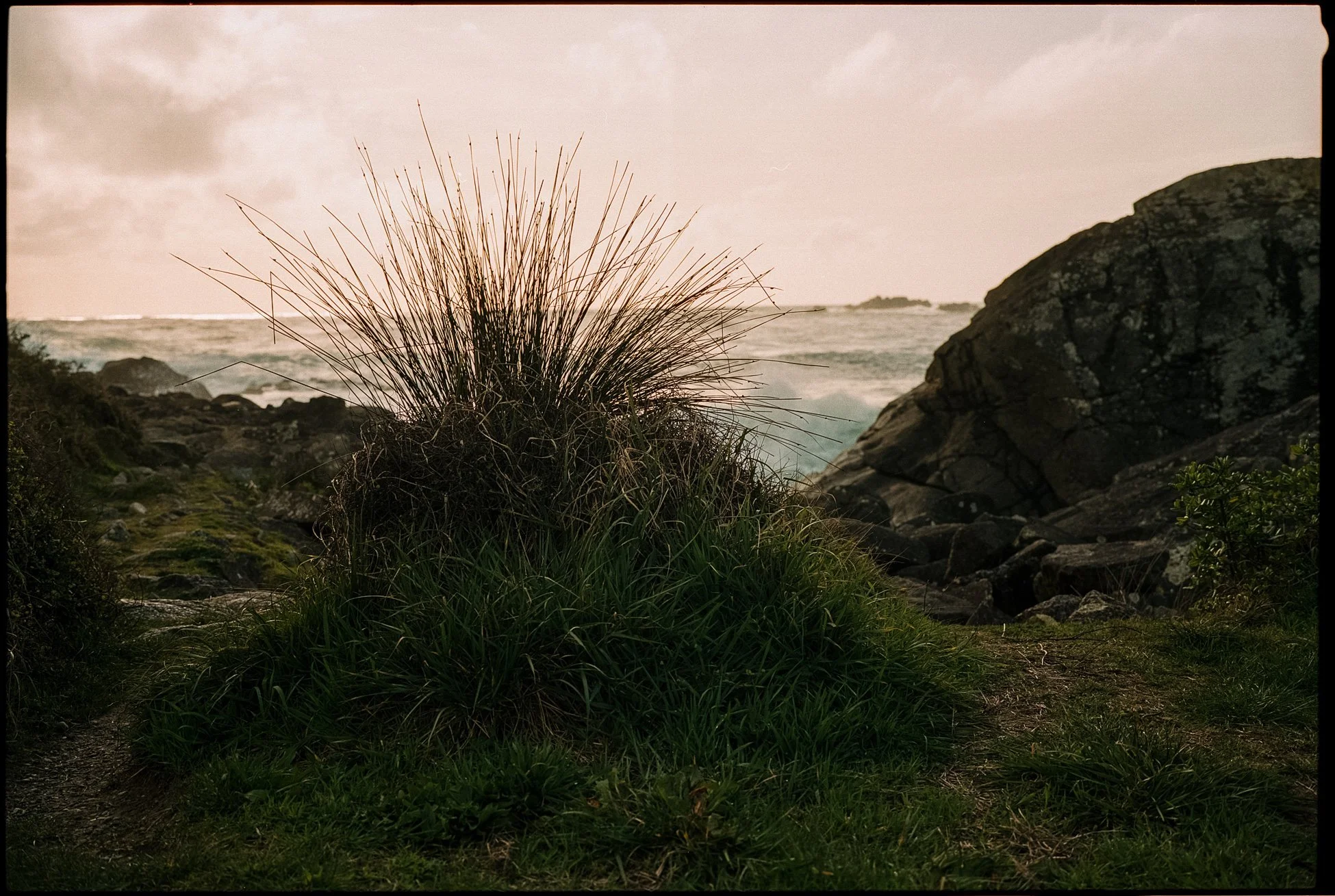
Road Kills grew out of this ongoing comedy of submission. Every image in the series was taken from the side of the road, the photographer’s equivalent of fainting onto a chaise longue. These are the places where we relinquish the pretence of control, where the land snaps its fingers, and we obediently frame the shot. In this sense, the photographer becomes the “road kill”: stunned, dazzled, flattened by beauty rather than by tyres.
But, there is a sly question tucked beneath the humour. What if the landscape’s charm offensive is precisely what prevents us from truly seeing it? What if the ease of the roadside view is the trap — the place where looking becomes automatic, and therefore shallow?
Perhaps the first step towards genuine seeing is admitting defeat. Acknowledging that the land is not waiting to be captured, it is performing, seducing, and manipulating.
And once we recognise that, perhaps we can begin to look with intention again: not merely at the view, but at the act of viewing itself.
(1) Mishima, Y. (1959). The Temple of the Golden Pavilion (I. Morris, Trans.). Alfred A. Knopf. (Original work published 1956)