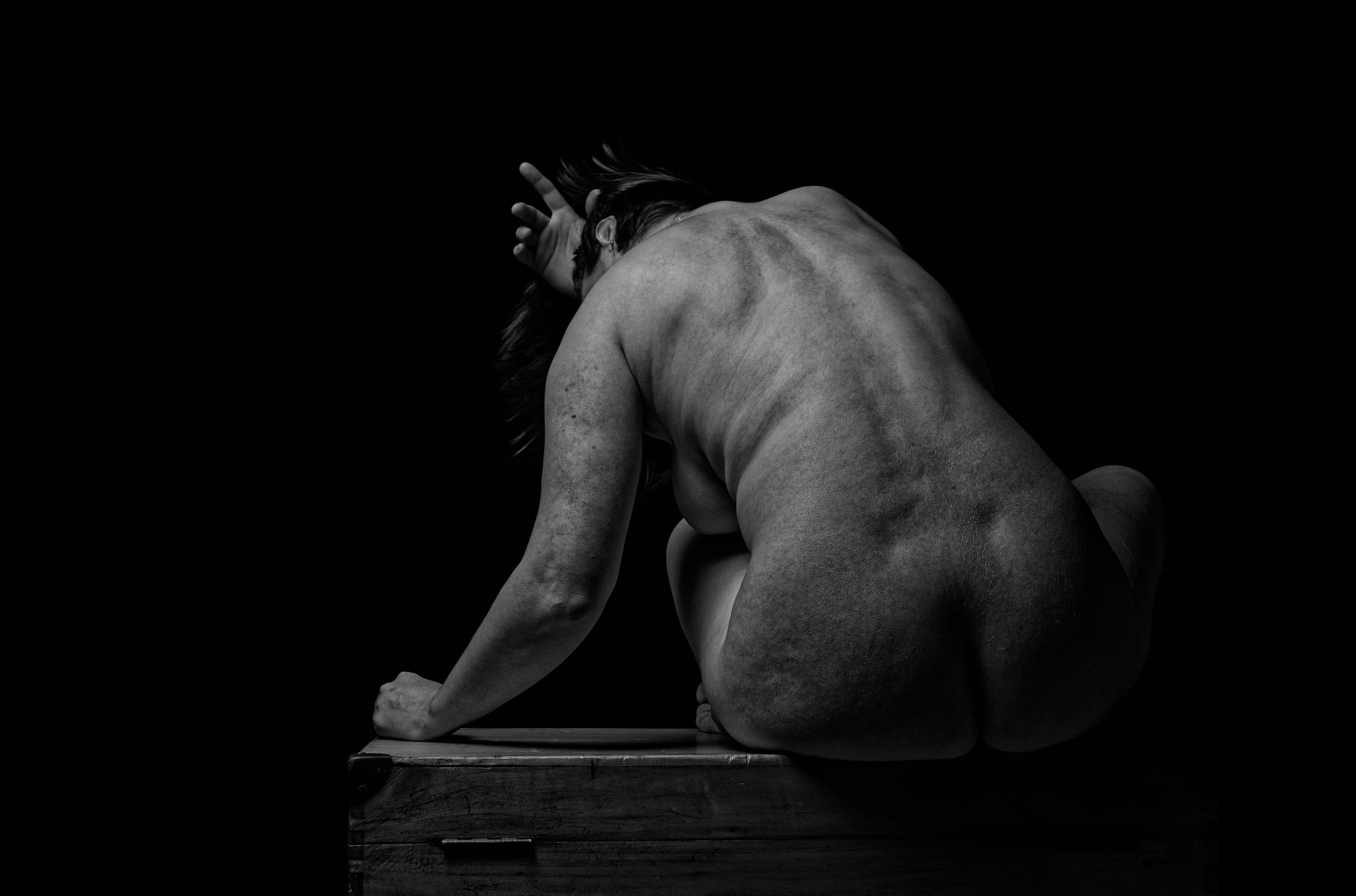
Monuments.
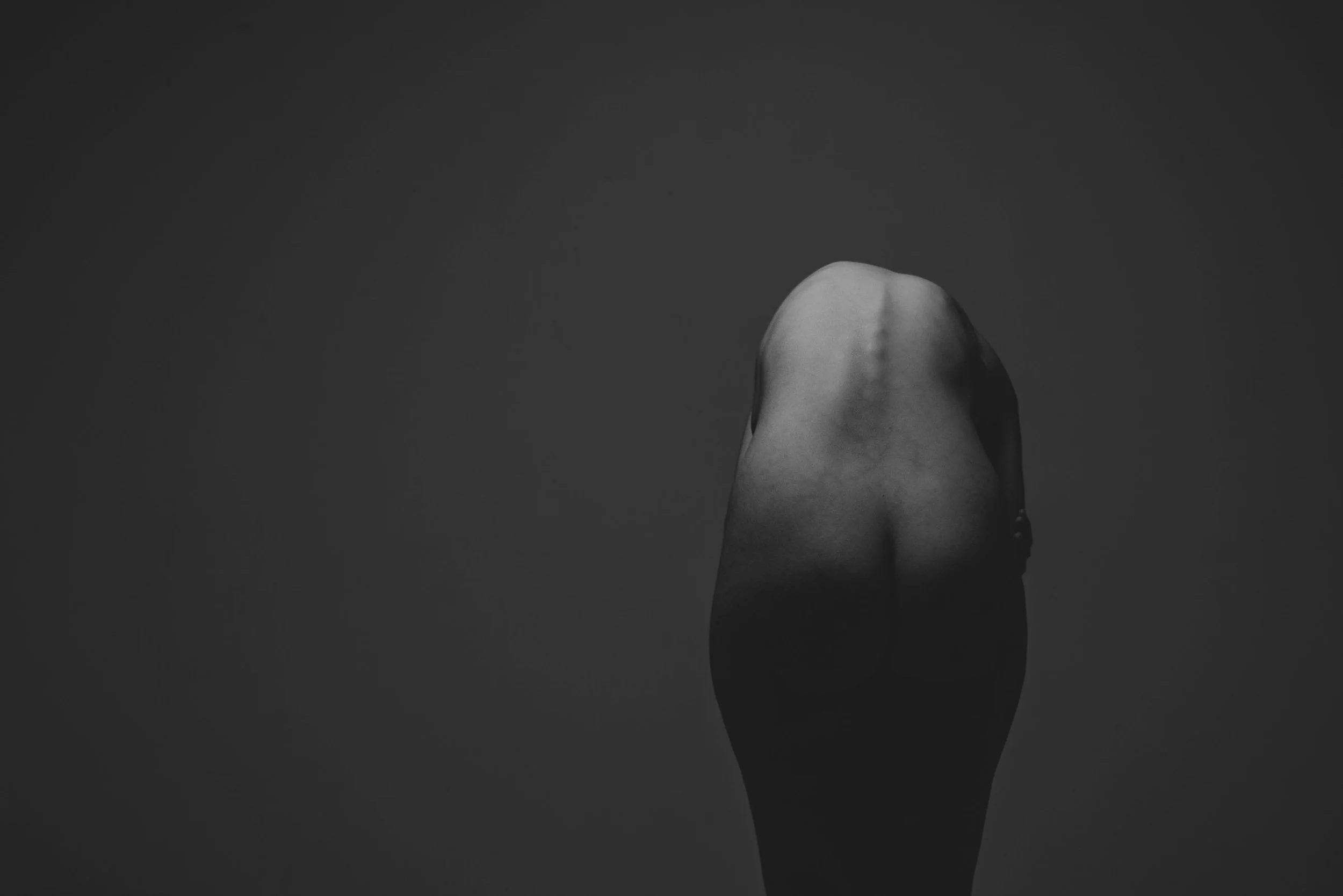
2018–2024 (completed)
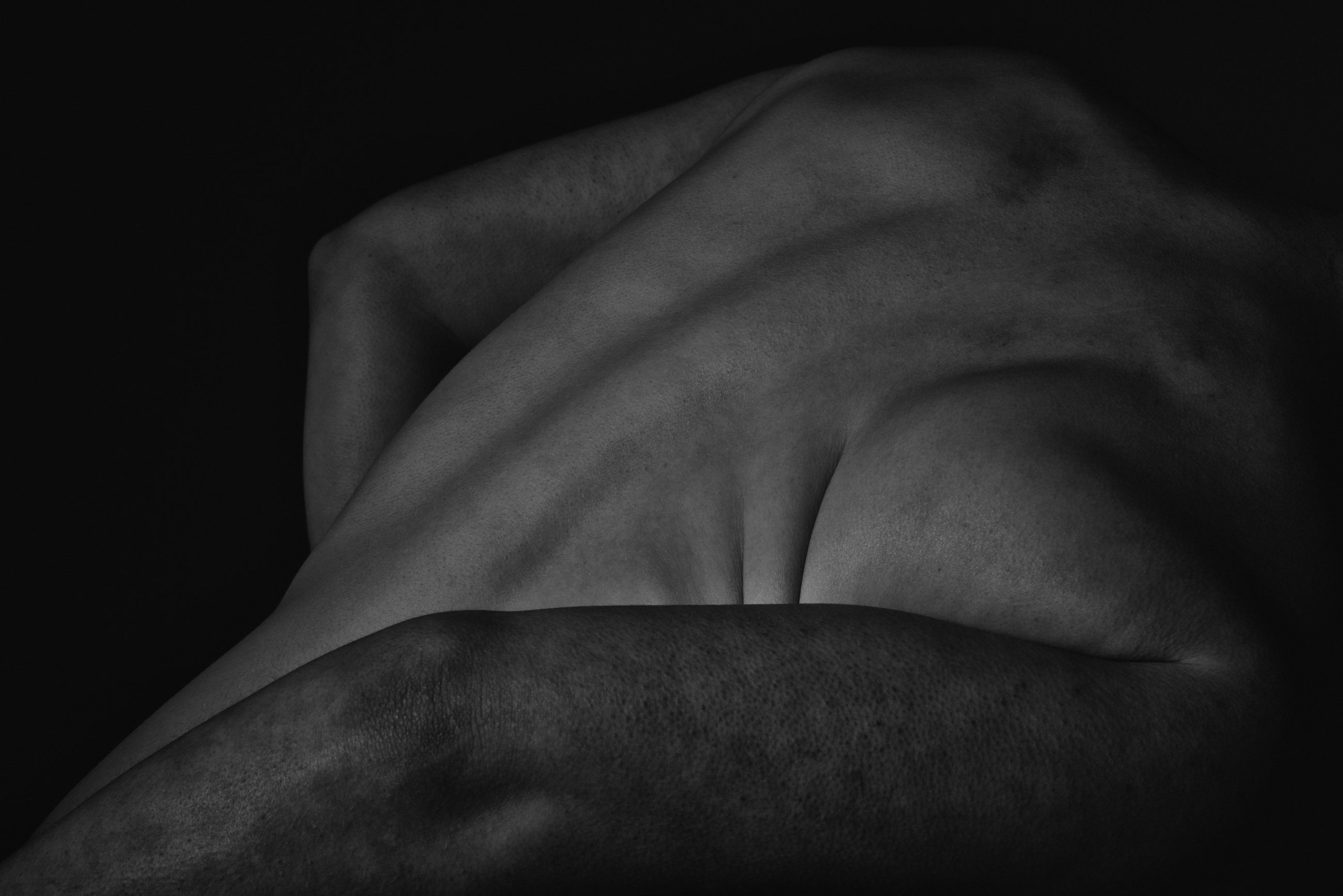
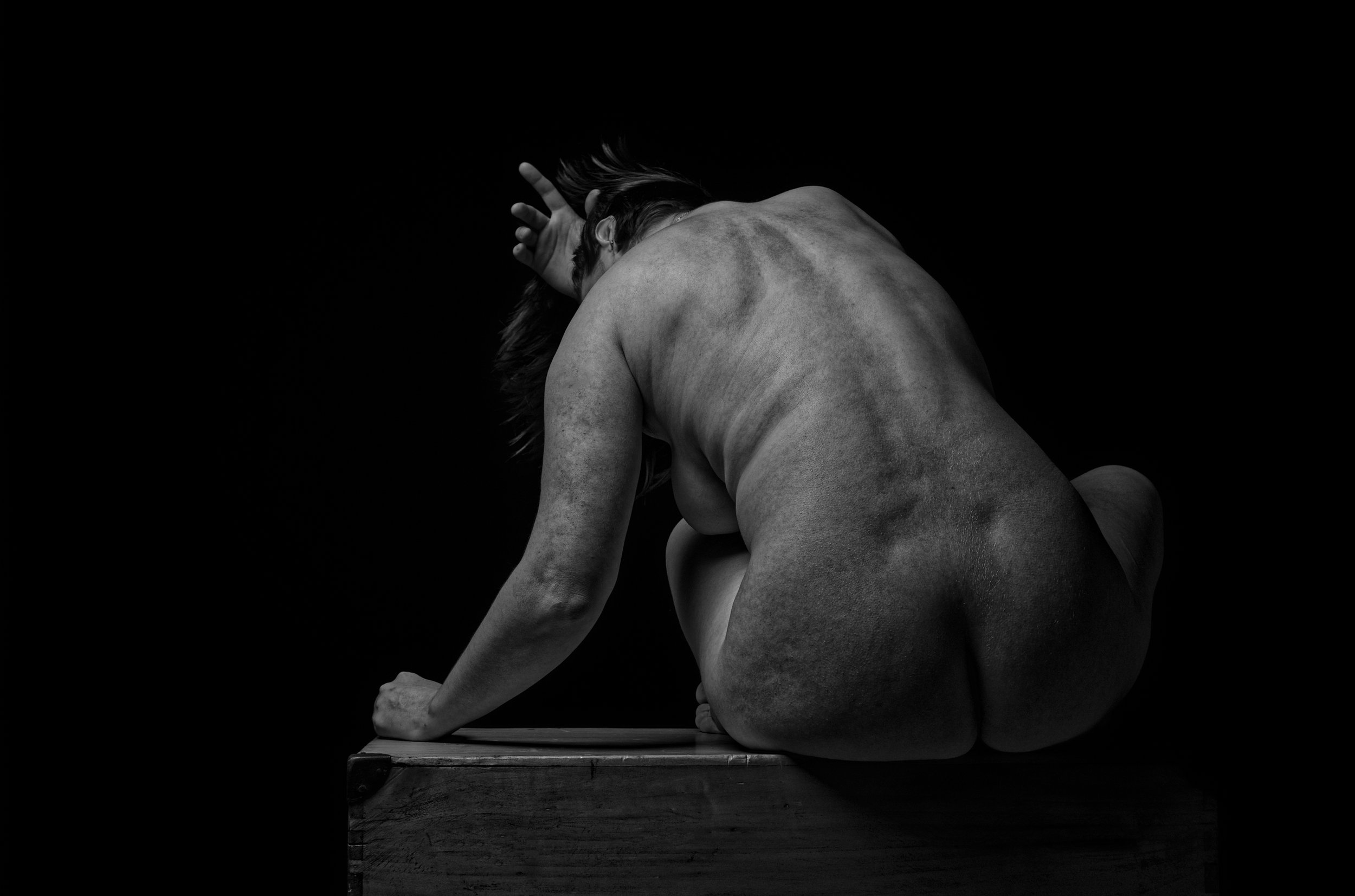
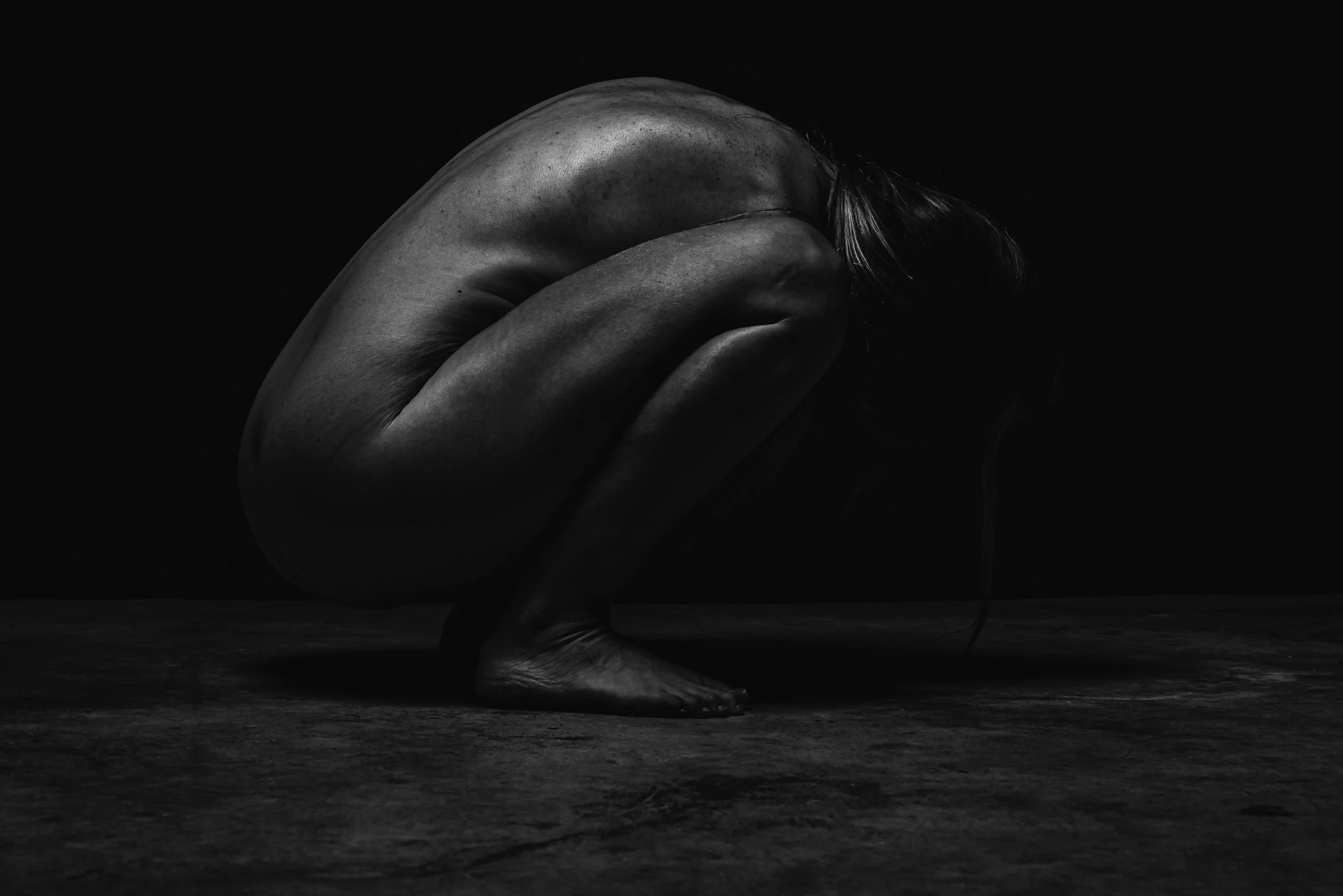
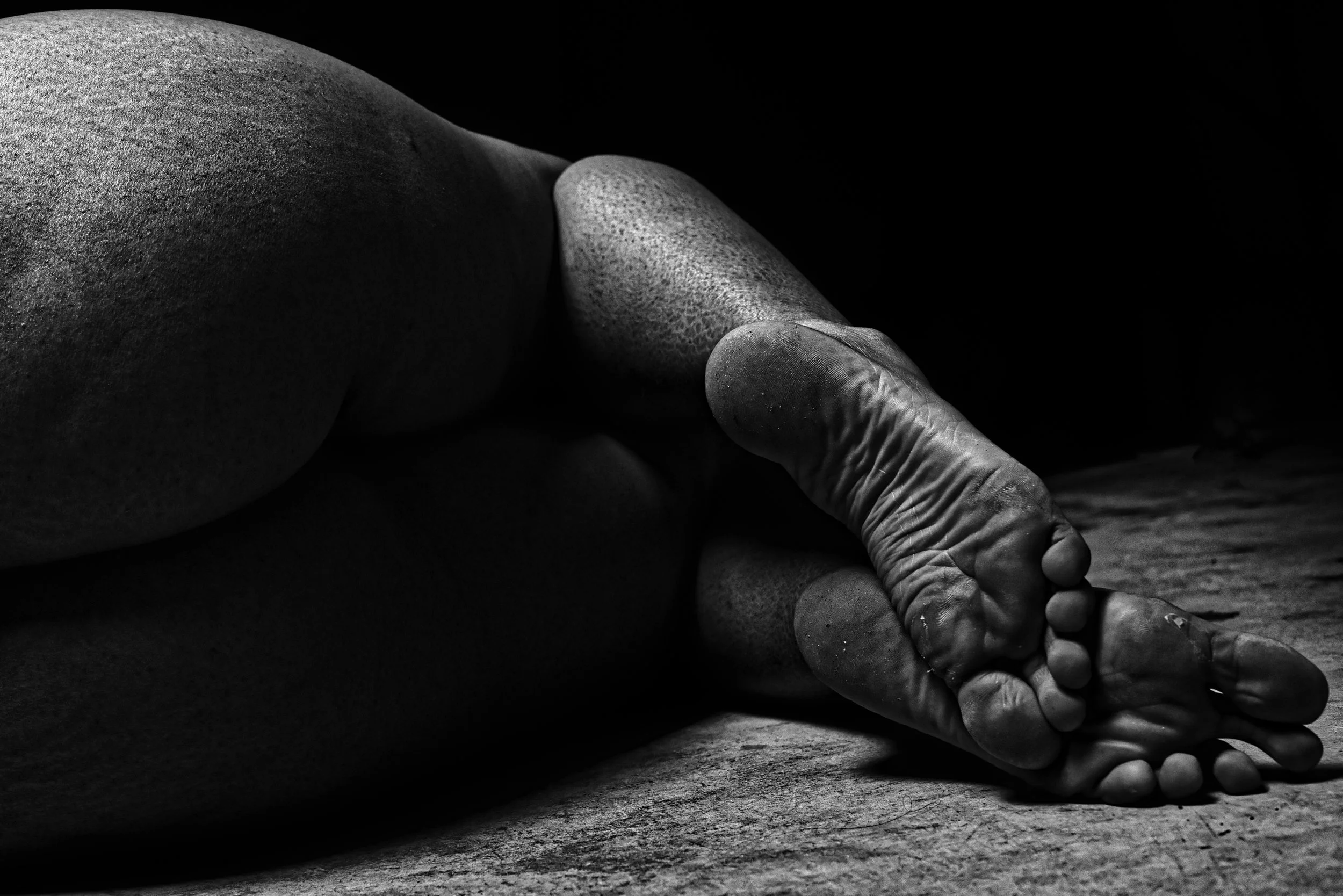
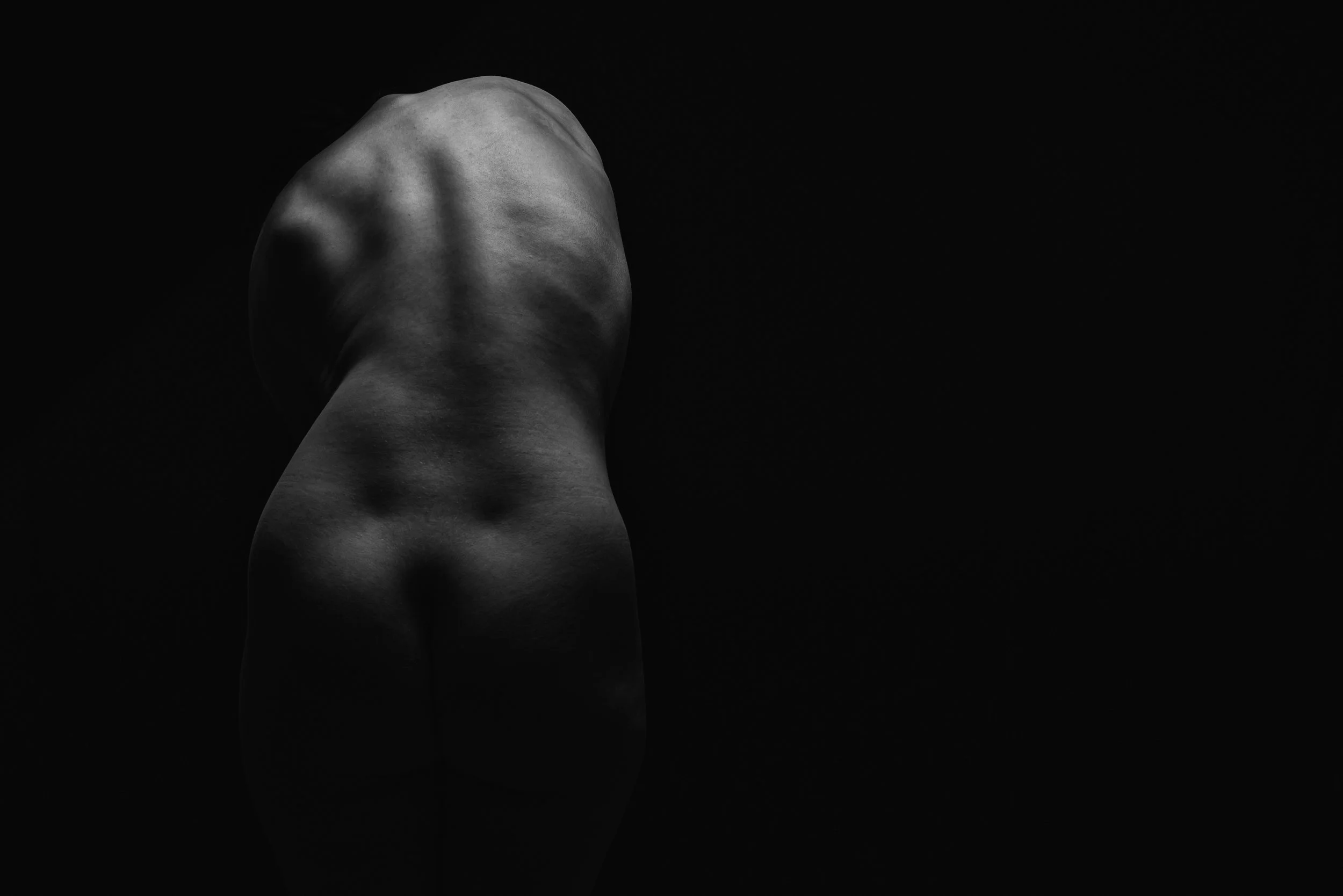
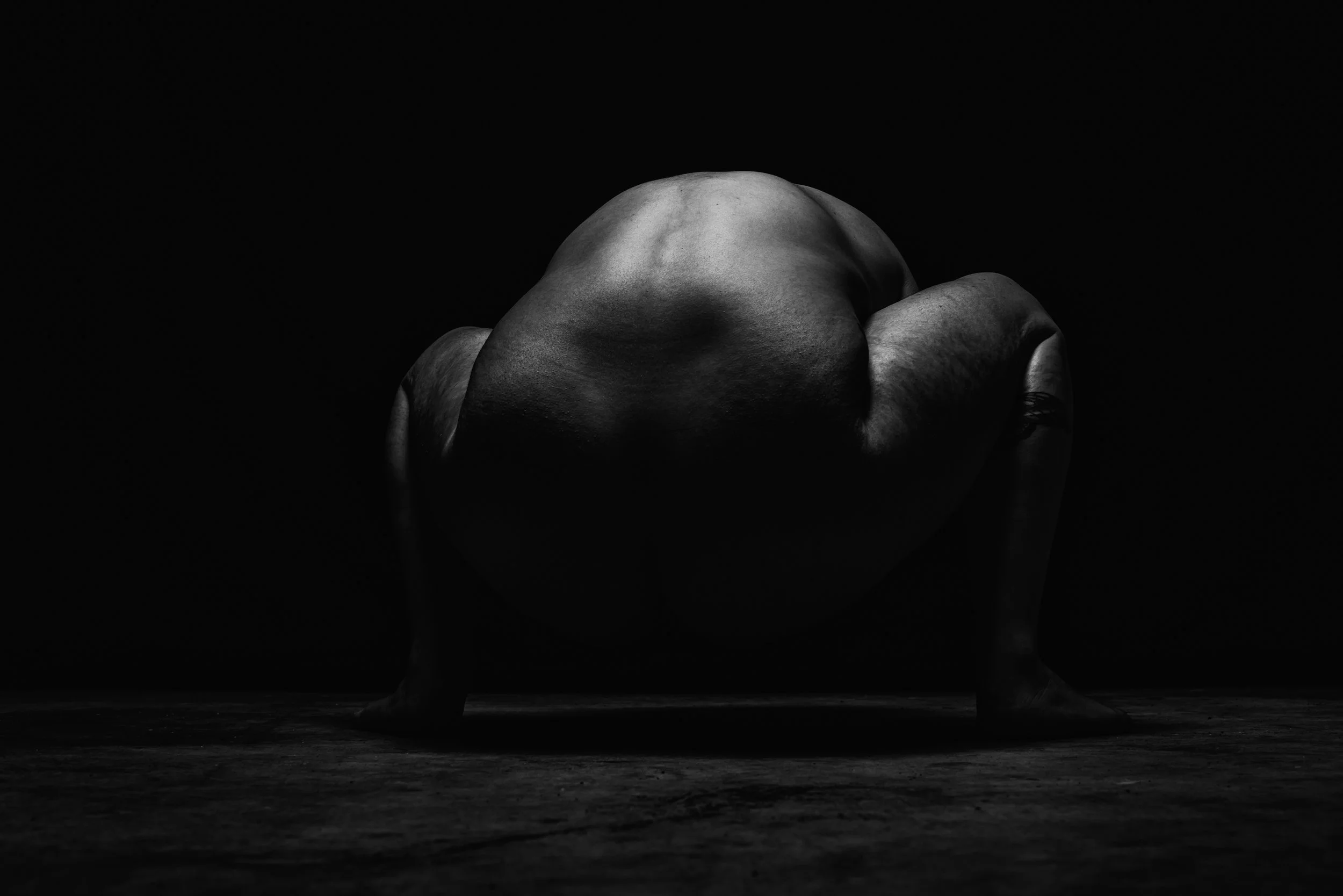
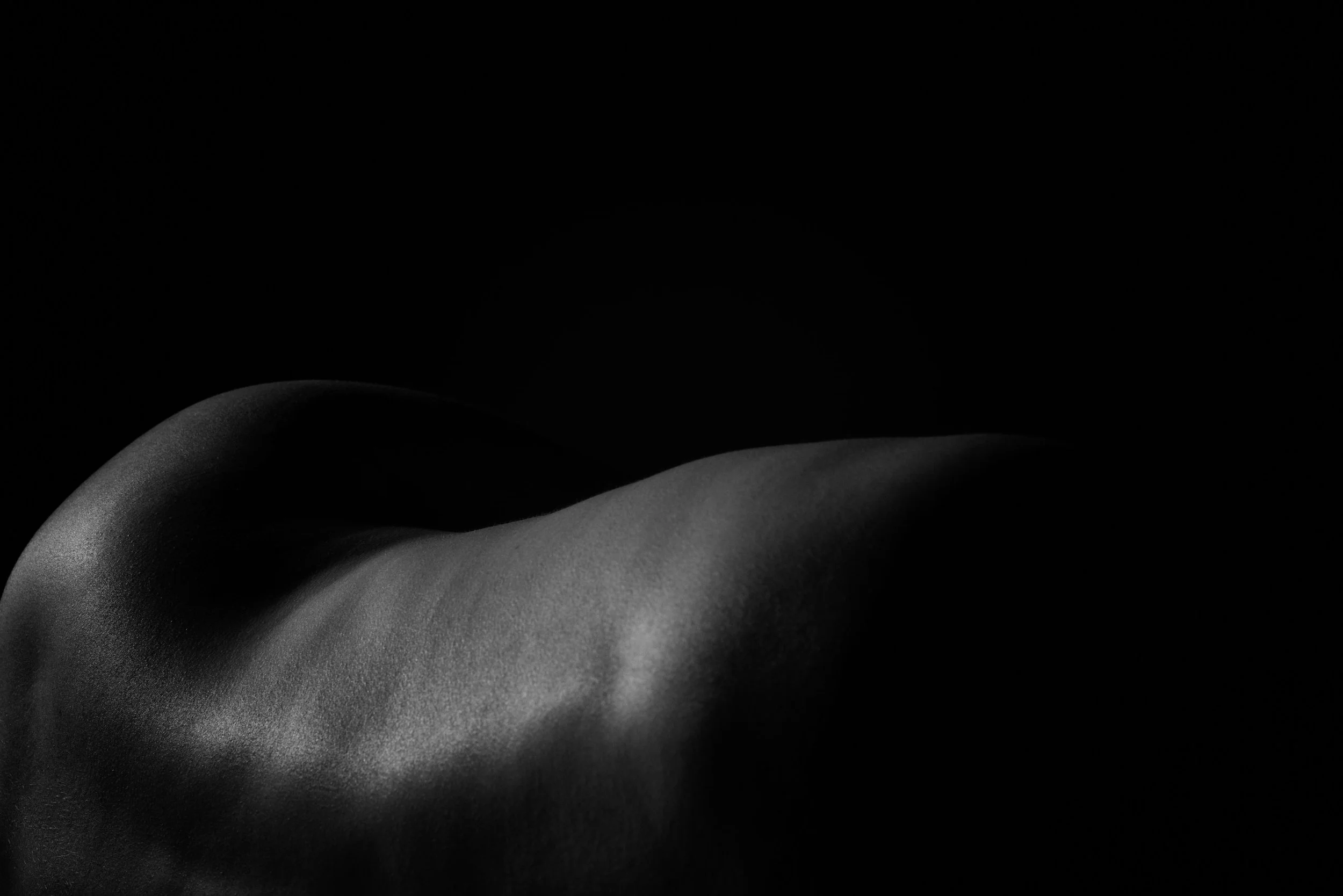
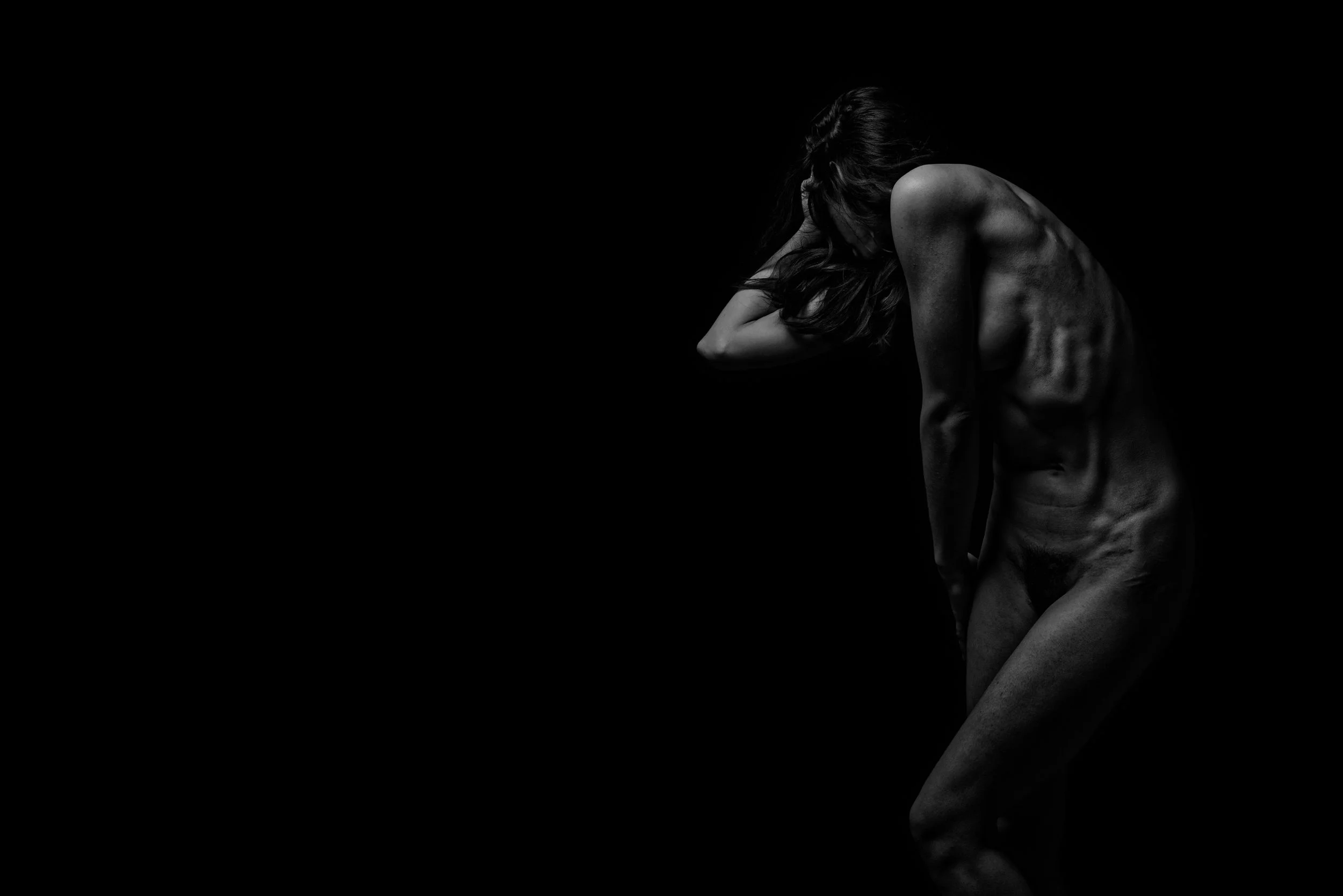
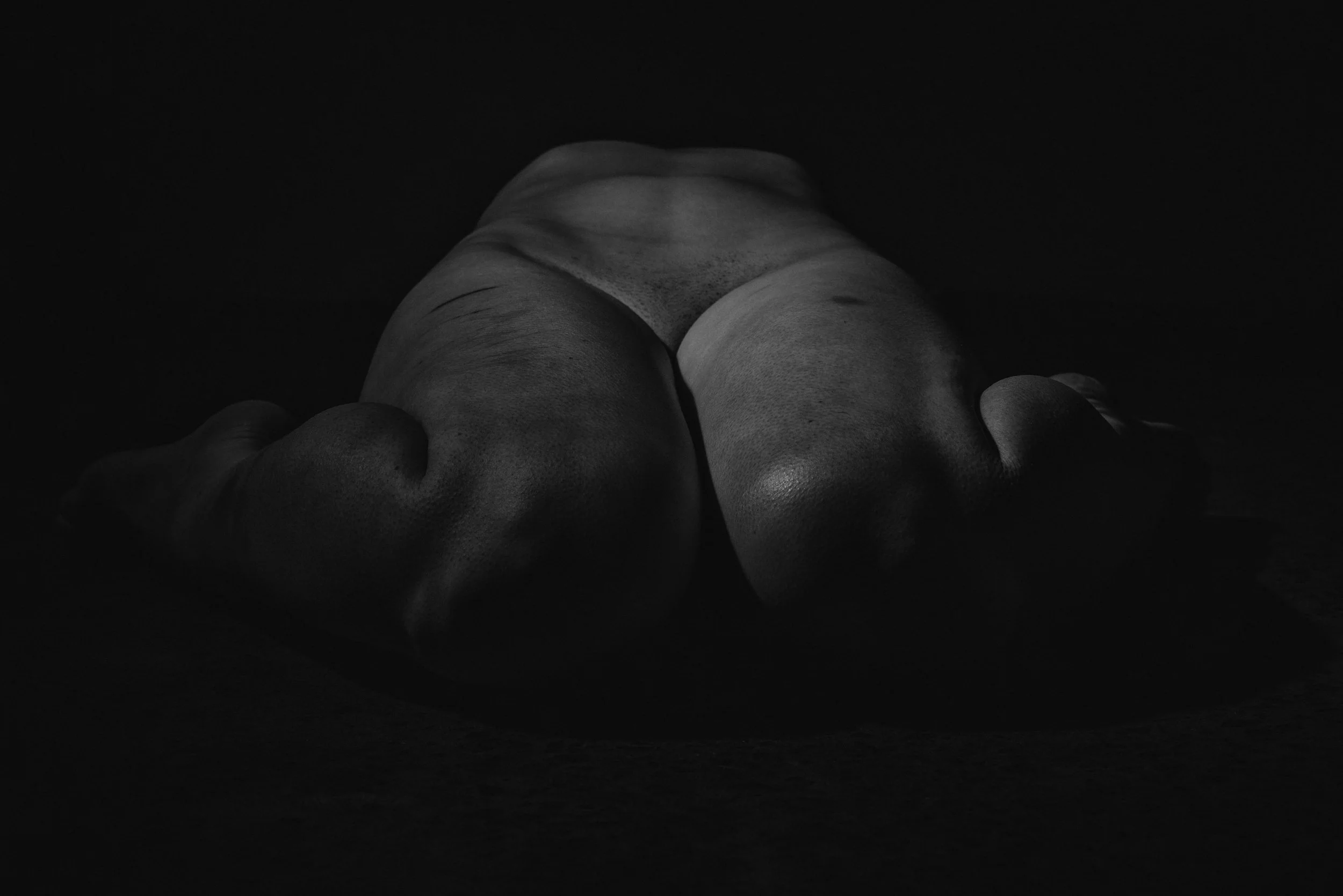
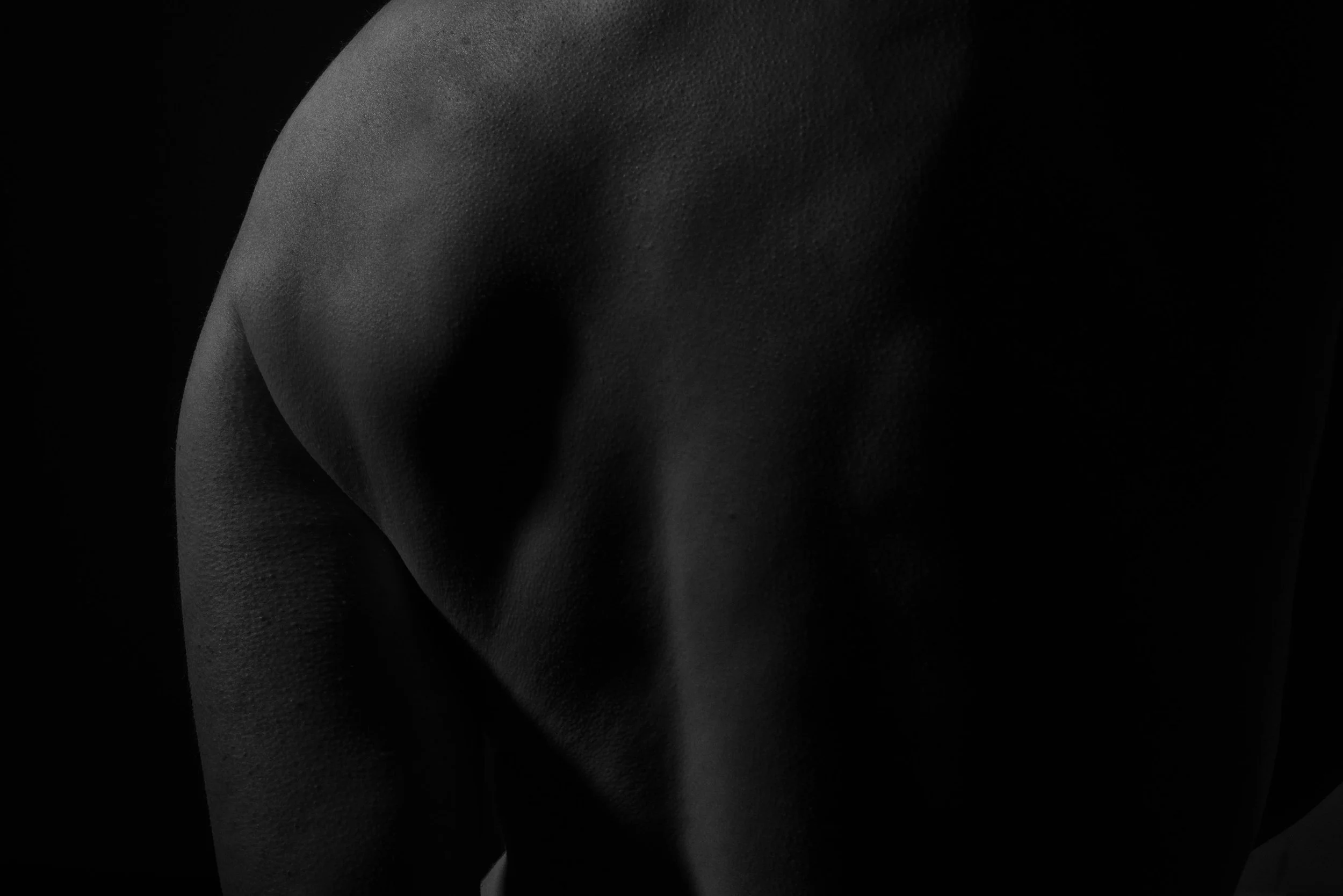
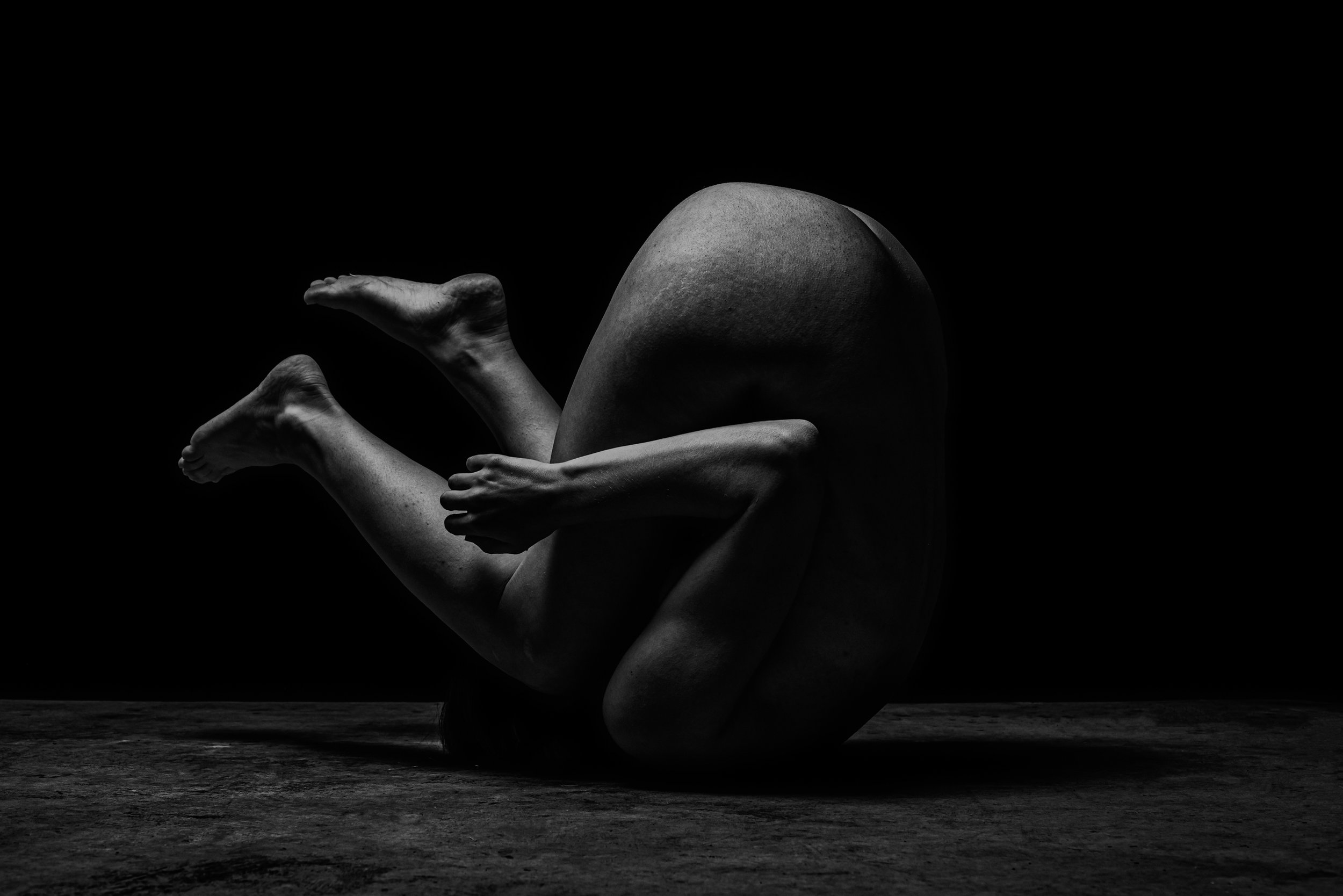
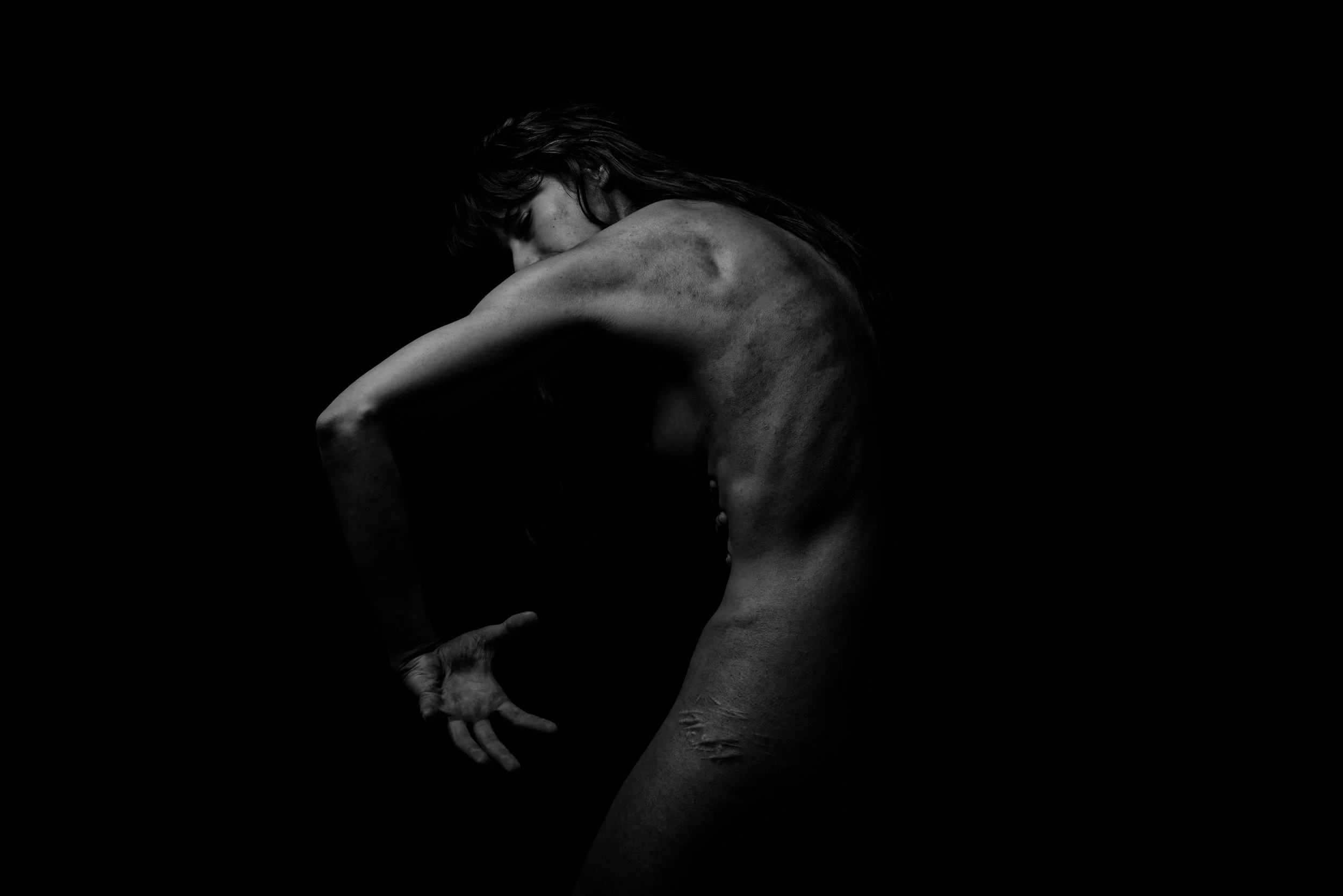
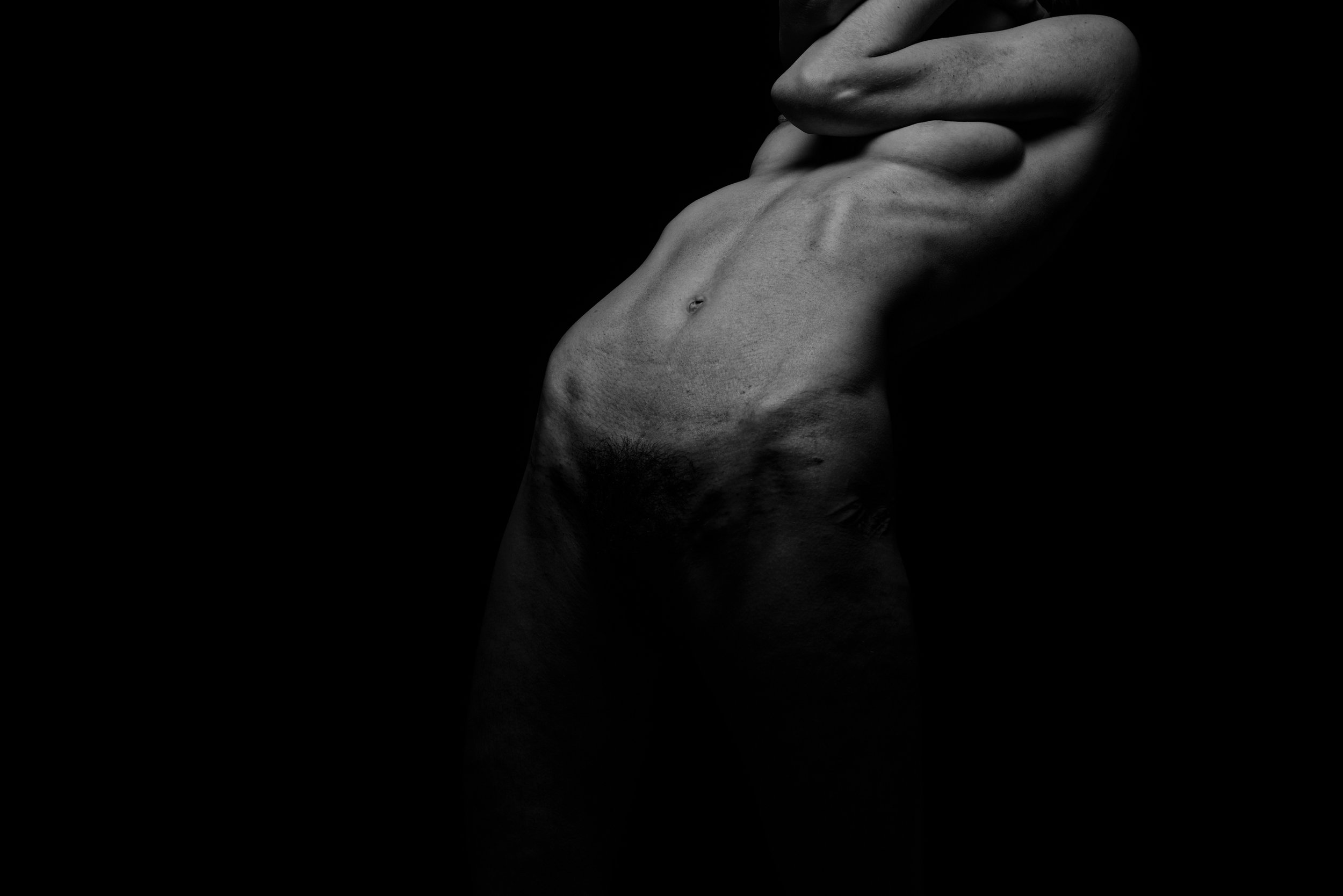
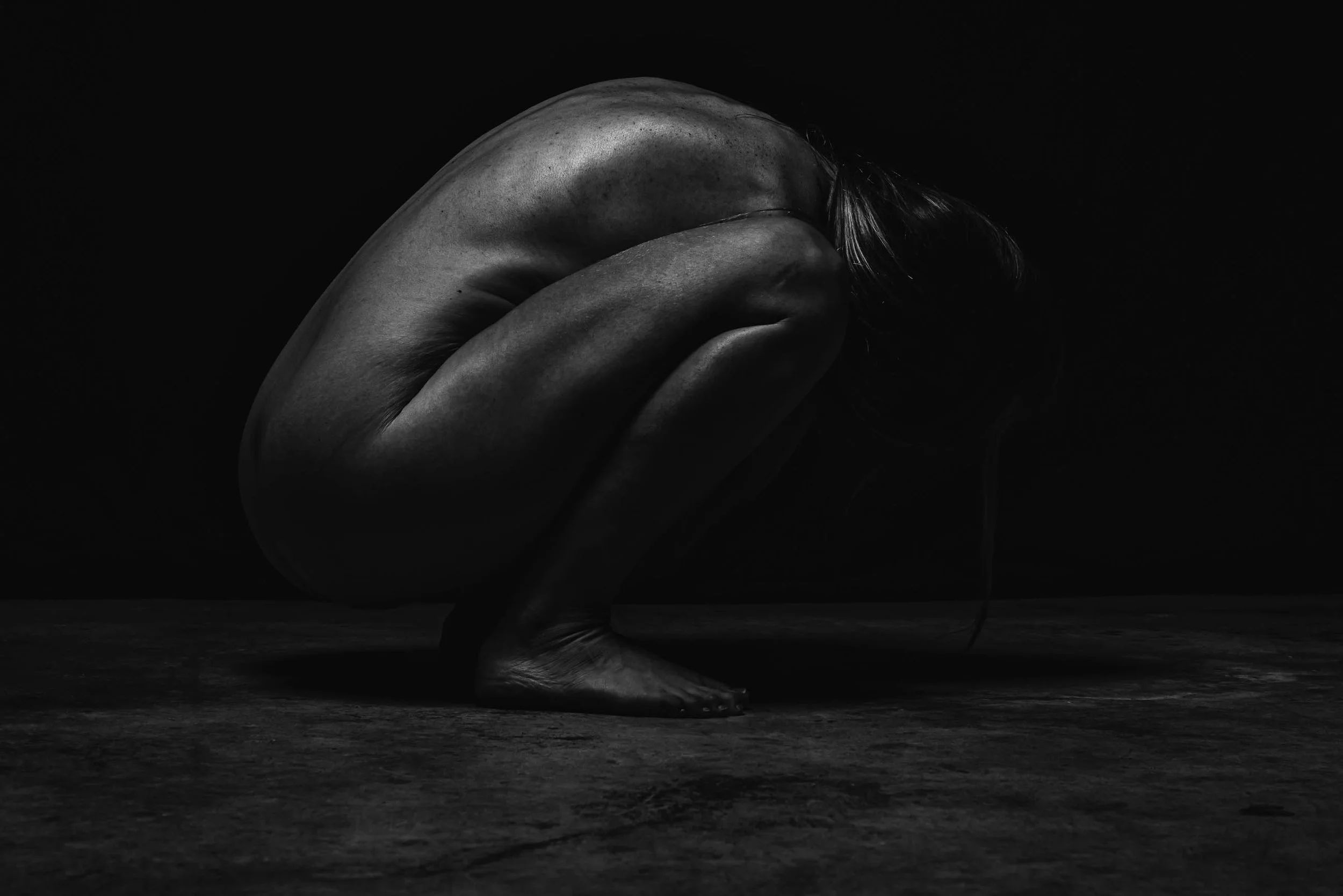
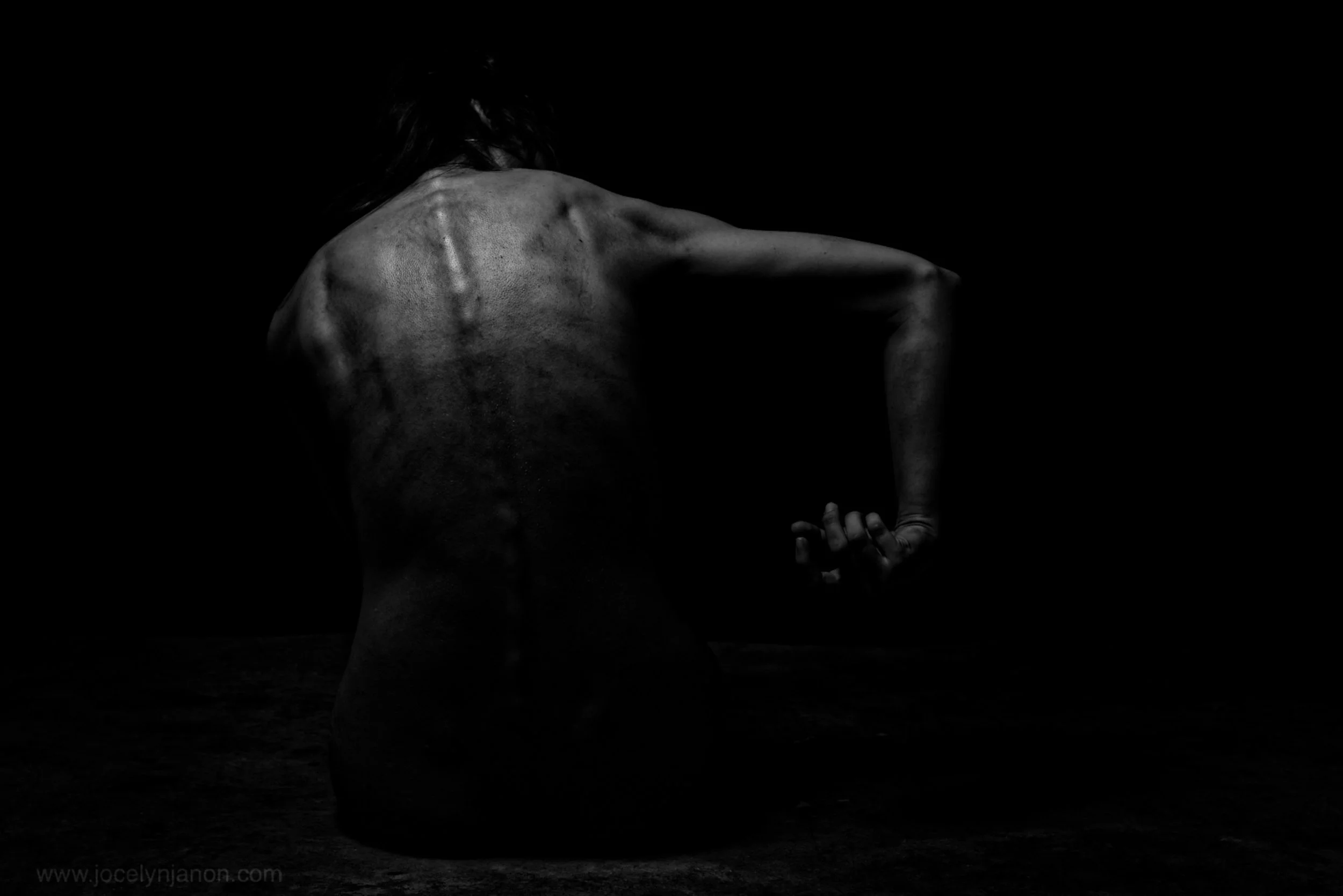
Monuments treats the female body as a contested archive.
It does not offer a corrected image of women: it opens the historical record up for interrogation.
The project began with research into 19th-century French sculpture, where the female body was repeatedly cast as a form of evidence.
As the research states, this survey "revealed persistent visual patterns of women portrayed imploring, mourning, kneeling, or gazing upward"; bodies rendered legible only through fragility, submission read as proof of virtue.
Monuments photographs against that record without pretending to resolve it.
Made in a stripped-back garage studio, the images strip away the theatrical apparatus that usually decides how a body should be read.
As Hannah Tasker-Poland observes, this setting "brings the energy and focus right back to the source, the photographer, the subject, and the creative relationship between them", the site where a body's meaning is negotiated, not declared.
That negotiation is structural to the work.
Subjects are not directed into a predetermined pose; they shape the image alongside the photographer. "My collaborators…are not merely participants but co-authors of the visual narrative." Authority over how the body is seen is shared, not assumed — which means no single frame can claim to be the final word on what these bodies mean.
The resulting images resist a single reading.
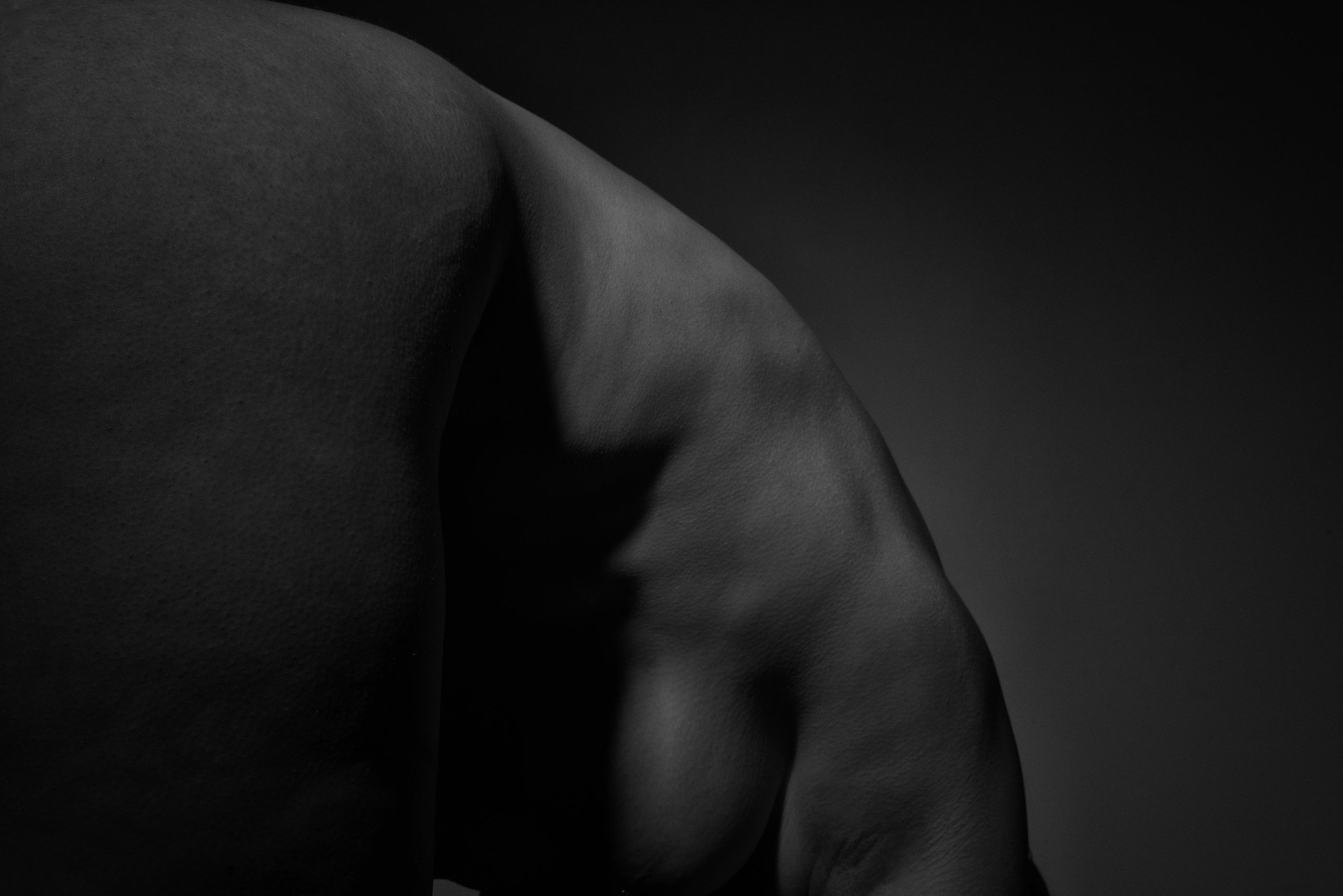
A LensCulture comment noted that they "de-objectify the experience of looking at the nude form," redirecting attention toward "the light, the line and the shapes" form as trace rather than form as verdict.
Monuments is a finished series, but not a settled argument.
It leaves the question the 19th century thought it had closed - what a woman's body is evidence of - open.